.png)
For now, love yourself and enjoy this one ...
By Norma Weinberg
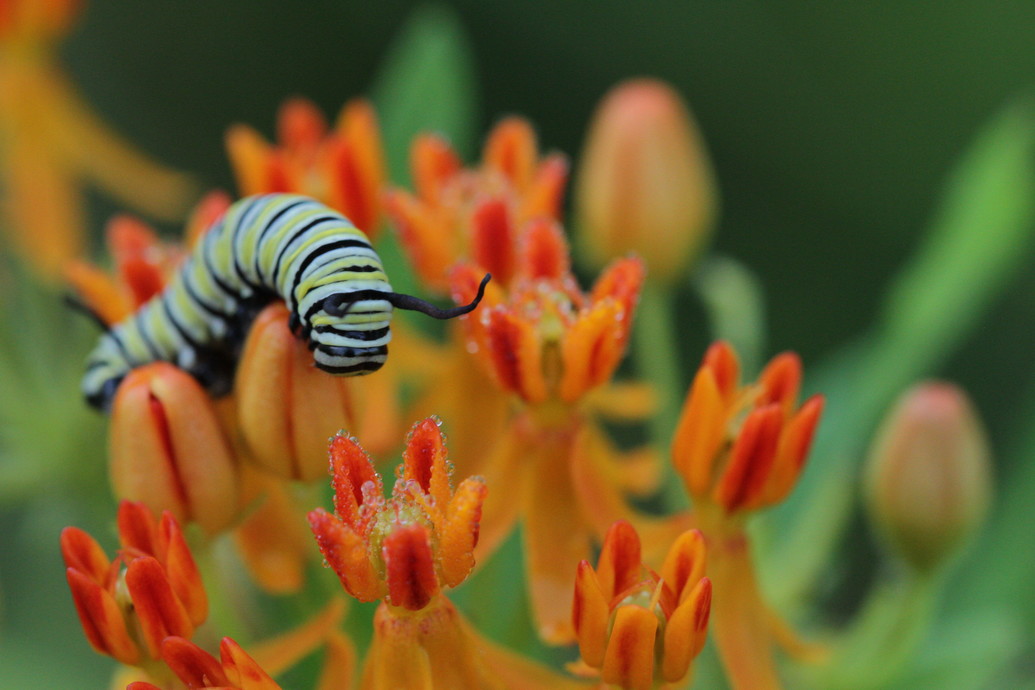 All life forms need resources, and the three most important resources needed by monarchs in their annual cycle are: nectar from flowers for the adults, both in the migratory and reproductive phases; shelter and water while overwintering; and milkweeds—food for their larvae after the breeding phase.
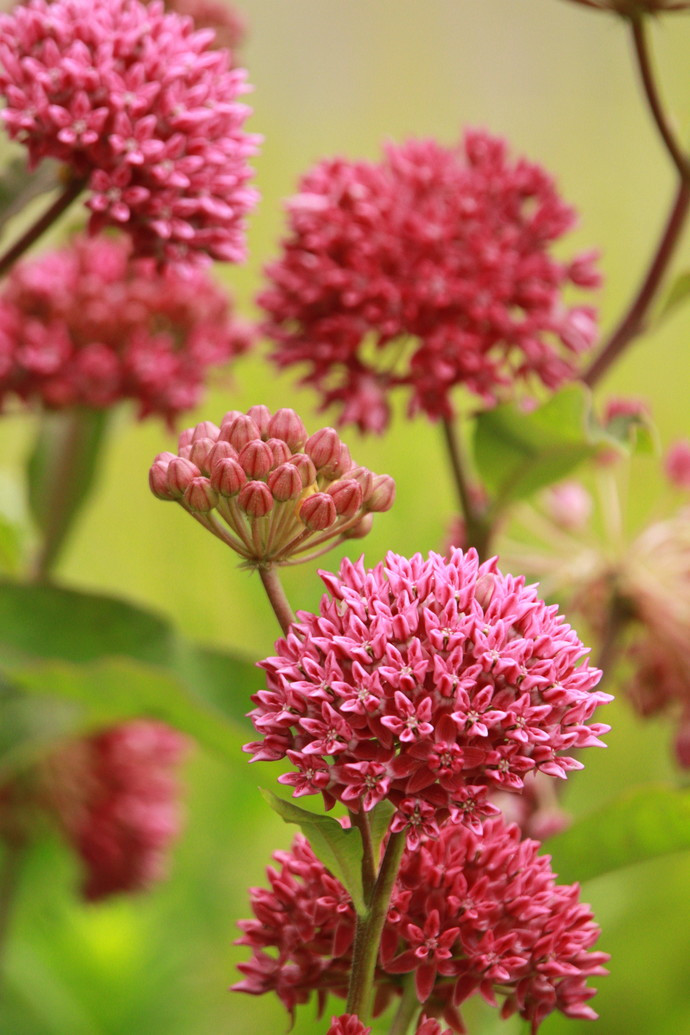
Female monarchs only lay eggs on milkweed plants (Asclepias spp.) as a food source for their larvae, with a few exceptions. While there are over 100 species of milkweeds in North America, many are rare or confined to remote habitats. Still, monarchs utilize about 30 milkweed species as hosts for their larvae. The common milkweed (Asclepias syriaca) is the predominant species. Estimates are that 90% of the monarchs that overwinter in Mexico each year have fed on this species as a larva.
NECTAR PLANTS
Adult butterflies need sources of carbohydrates, amino acids, and some salts to successfully migrate and reproduce. To fulfill these needs, monarchs visit both “bee” flowers and “butterfly” flowers. Butterfly flowers, like pentas, lantanas, butterfly bushes, and butterfly weed, co-evolved with the butterflies. These plants have dilute nectars containing 10-15% dissolved solids, carbohydrates, and amino acids. Bee flowers, such as clovers and other legumes, tend to have richer nectars (20-40% dissolved solids) but little in the way of amino acids.
SHELTER AND WATER
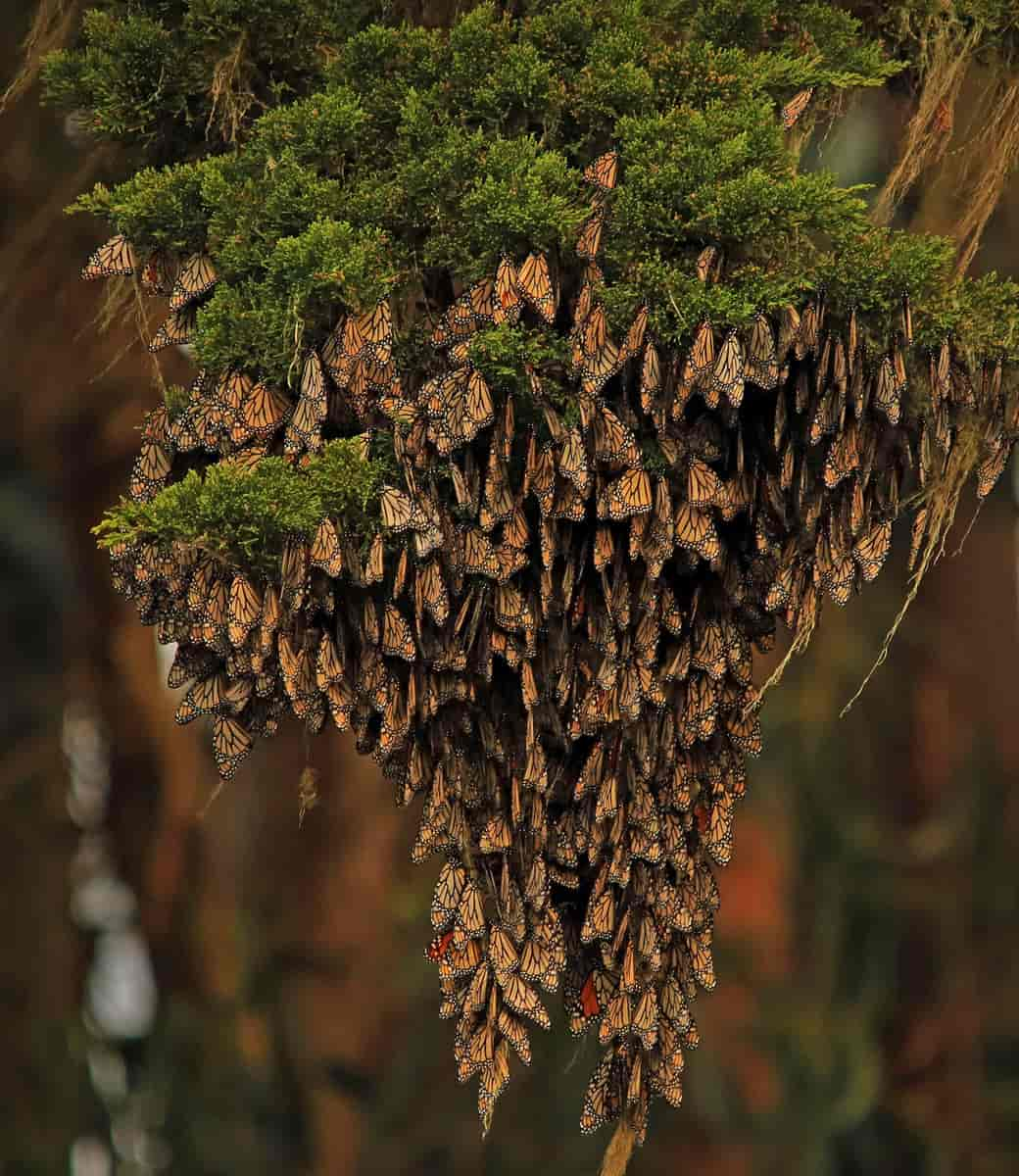
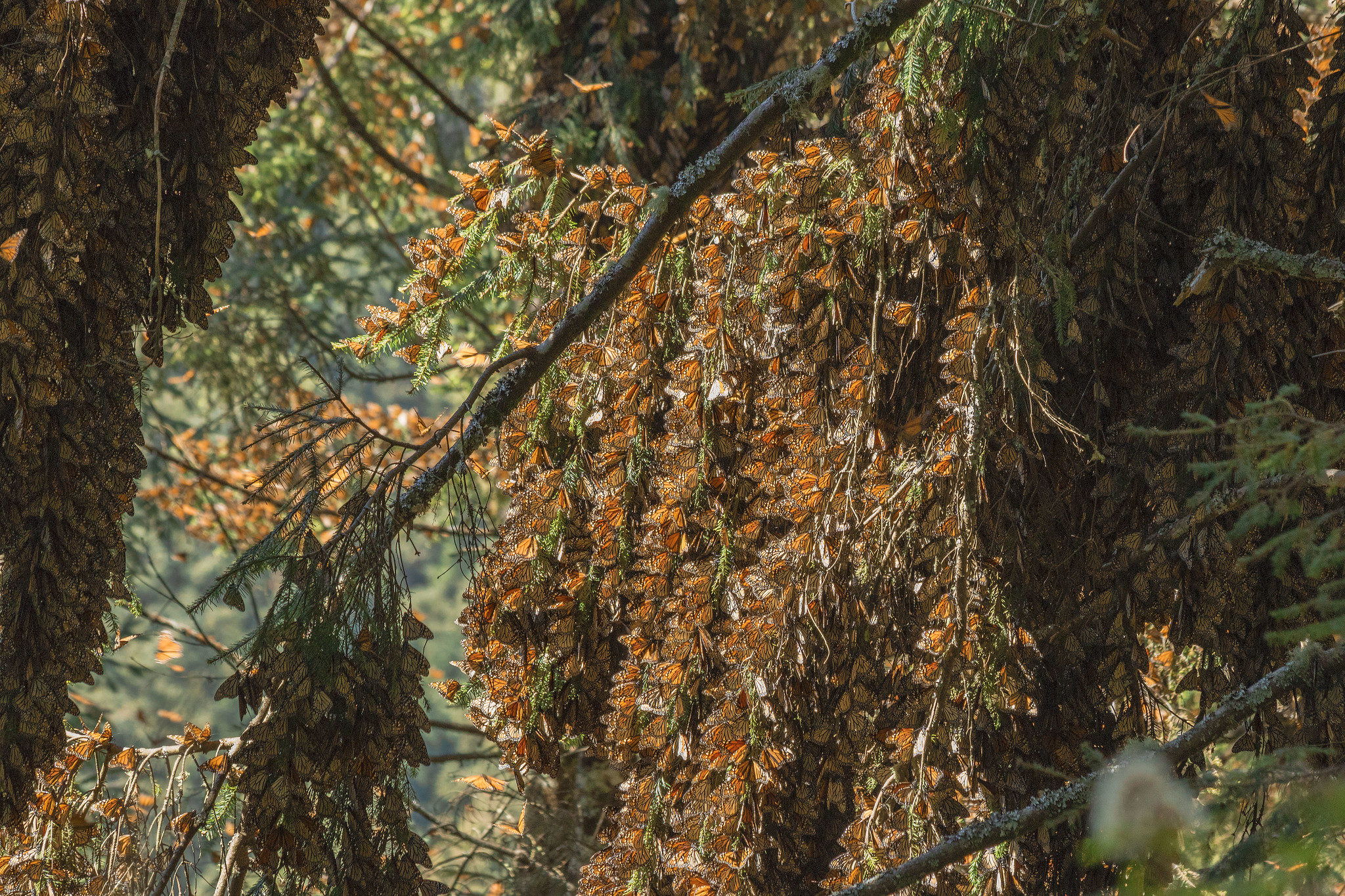
Overwintering is all about shelter and water. Intact Oyamel fir forests, found at high elevations in the mountains of central Mexico, provide the canopy and the sources of necessary water needed by the monarchs. Here is where these butterflies come to mate.
 OYAMEL FORESTS AND MONARCHS
Oyamel fir trees are the dominant, and often only, tree species at the sites where monarchs come to overwinter and mate. Although monarchs cluster on numerous tree species during their migration southward, the clusters are never as dense as those seen in Mexico. Even though specific colony sites may be chosen for the microclimates they provide, the oyamel, due to its structure, seems to afford a high degree of protection. The very structure of the needles and branches allow for the formation of dense clusters, and they provide a protective canopy that insulates the butterflies from both high and low temperatures. Within dense oyamel forests, during the heart of winter, temperatures seldom exceed 65°F during the day or drop below 30°F in early morning. Unfortunately, these dynamics change as the forests are degraded, allowing both higher and lower temperatures. Protection of the structural integrity of these oyamel forests is therefore essential for the protection of the monarch migration.
 leaf" width="286" height="203" srcset="https://herbsocietyblog.files.wordpress.com/2023/10/1200px-monarch_caterpillar_on_common_milkweed_41823429020-by-usfws-midwest-region.jpg?w=286&h=203 286w, https://herbsocietyblog.files.wordpress.com/2023/10/1200px-monarch_caterpillar_on_common_milkweed_41823429020-by-usfws-midwest-region.jpg?w=570&h=406 570w, https://herbsocietyblog.files.wordpress.com/2023/10/1200px-monarch_caterpillar_on_common_milkweed_41823429020-by-usfws-midwest-region.jpg?w=150&h=107 150w, https://herbsocietyblog.files.wordpress.com/2023/10/1200px-monarch_caterpillar_on_common_milkweed_41823429020-by-usfws-midwest-region.jpg?w=300&h=214 300w" sizes="(max-width: 286px) 100vw, 286px" />MILKWEED OFFERS PROTECTION FROM PREDATORS
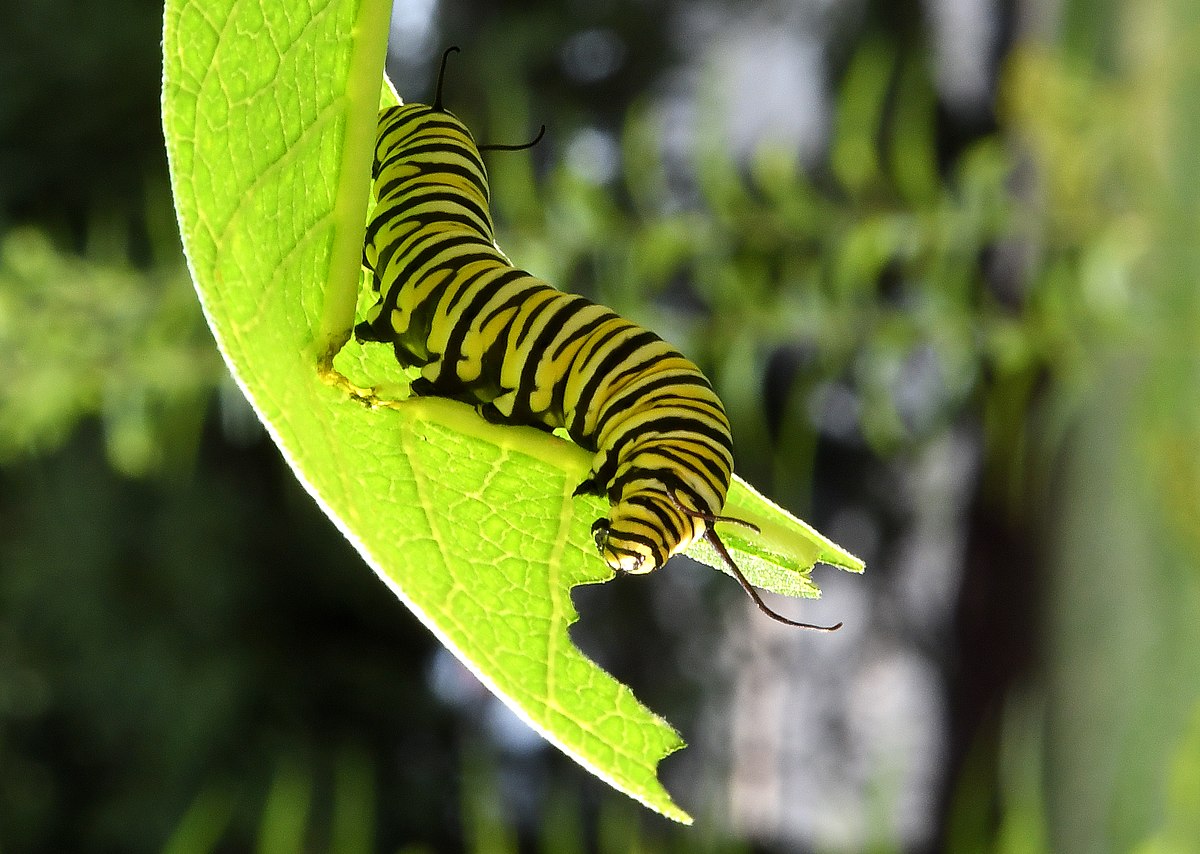
Milkweed needs butterflies, moths, bees, ants, and wasps for its own pollination. And monarch larvae need milkweed for food and protection. Milkweeds contain a group of compounds known as cardiac glycosides, or cardenolides. As the larvae feed on milkweeds, they acquire some of these compounds and sequester them, late in the pupal stage, into the cuticle of their developing adult body. Cardiac glycosides are toxins that are effective against many vertebrates, as they induce vomiting. A bird needs to only eat a monarch once to get the message that they are not good food items.
Most insects that incorporate toxins from noxious plants advertise their own food choice, and thus their inedibility, by being brightly colored; hence, the strongly contrasting black, orange, and white coloration of the adult monarch, and the black, yellow, and white colors of the larvae. This form of advertising is known as aposematic (or warning) coloration. Interesting how interdependent we all are for survival!
 MATING BEHAVIOR
Monarch butterflies are notably promiscuous, with lifetime mating frequencies approaching eight partners for each sex. Since it is usually the sperm from the most recent mating that is used to fertilize eggs, females produce offspring that have been fathered by a series of males through their egg laying history. This high degree of multiple mating may be advantageous in that it increases the genetic variability of a female’s offspring in a highly variable (heterogeneous) environment.
EGG-LAYING
Female monarchs appear to find milkweed plants for egg-laying by sight, olfaction, and taste. They visually search for plants but will also crawl through vegetation to reach small and inconspicuous plants in the spring, evidently finding these plants through olfaction. Once a female has found a plant, she “tastes” the plant by “drumming” or touching the plant repeatedly with a special set of taste receptors located on the first pair of legs. Females seem to prefer particular milkweed species, and show a strong bias by laying eggs on young leaves and flower buds. When flying north in the spring from Mexico, females may scatter eggs over a thousand miles, thus re-establishing the breeding population to the limits of milkweed. The average female is thought to lay around 400 eggs, only a few of which survive.
 ENVIRONMENTAL FACTORS
In the United States, 6000 acres are converted to development each day. Additionally, chemically intensive agriculture that utilizes insecticides and herbicides also affects monarchs and their milkweed hosts. Land management practices, such as frequent mowing, that favor grasses rather than flowering plants are also a factor. And, there is climate change, which poses threats to monarchs throughout their annual cycle. Sustaining the monarch migration will require the cooperation of all three countries (U.S.A., Canada, and Mexico) that are home to monarchs for some portion of the year. A recent development along these lines has been the drafting of a “North American Monarch Conservation Plan.”
WHERE DO YOU FIT IN?
As with comedy, harvesting milkweed seed is all about timing. Too soon and the seed will be immature and won’t germinate; too late and it will have either blown away or involve a flossy mess you’ll need to deal with before sowing. Here are some methods of harvesting milkweed seed, separating the truth from the fluff:
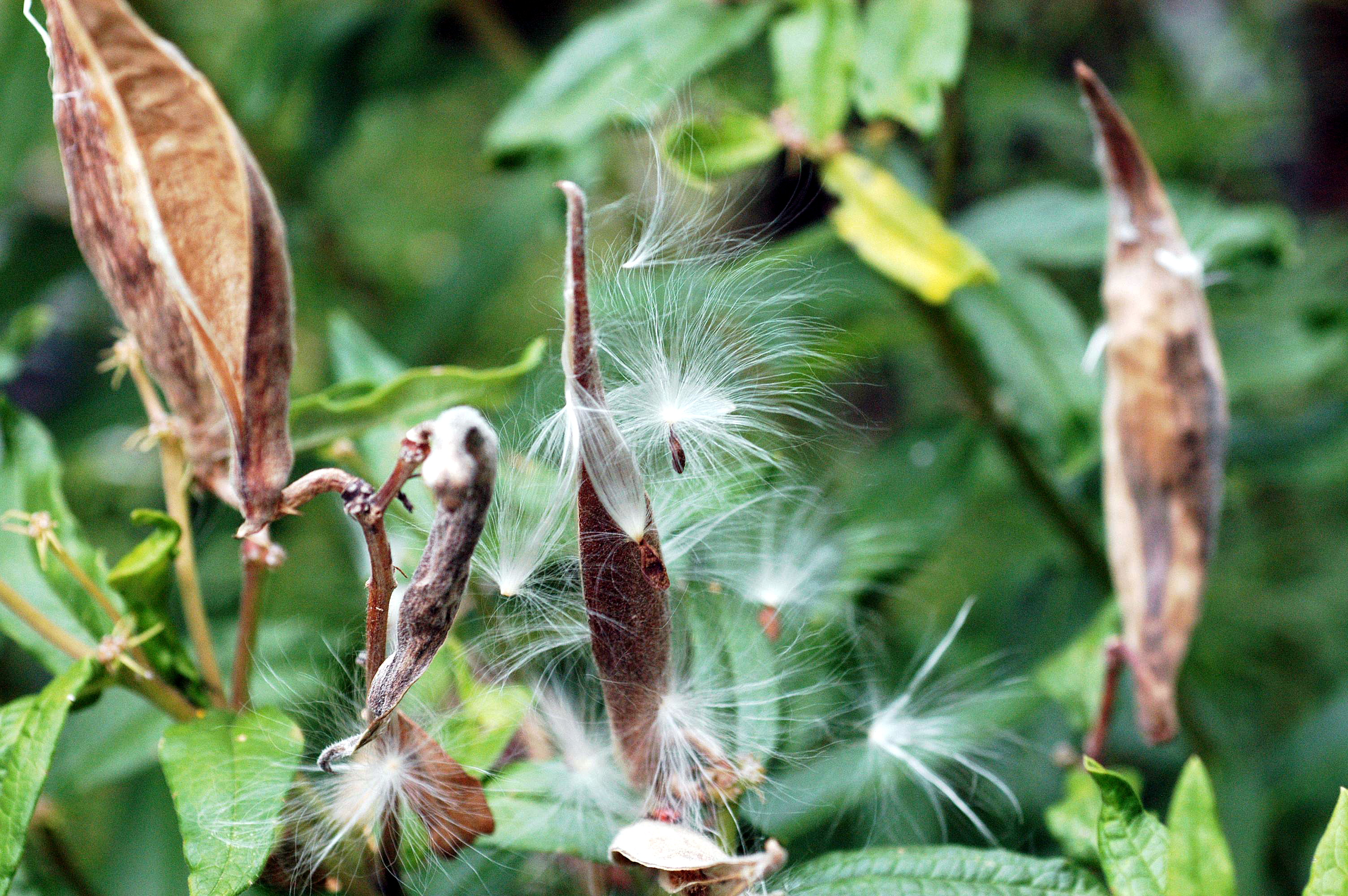 Milkweed plants produce distinct seed pods in late summer. Typically these pods are horn shaped, or otherwise long, narrow, and tubular. Pods are filled with seeds and floss, a material attached to the seed that allows it to travel on the wind, similar to dandelion seed. When the seed is ready to disperse, the floss will expand, causing the pod to burst. For those wishing to collect seed, this floss can be problematic, creating a messy barrier to gathering large amounts of viable seed. There are several options for separating the floss, but the best option is to plan your timing so that you are able to easily remove the seed as soon as it is mature, but before the silky floss has expanded. Milkweed seed should be brown and leathery when mature, though the pods themselves may still be green.
You can test an unopened pod for maturity by applying gentle pressure to the seam. If it does not open readily, the seed inside is immature. If the pod opens and the seed is dark brown in color, you may easily remove the central rib of seeds and floss in one mass, and should find it easy to separate. From here, pinch the seed mass towards the top of the cluster, and remove the seed with your other hand (the seeds should fall away easily). Move your thumb and forefinger down the mass of floss as you go, working your way down the seed mass. You should end up with a pile of seeds and a ribbon of milkweed floss that can then be discarded.
For more information visit MonarchWatch.org, and The Green Bridges Initiative sponsored by The Herb Society of America https://www.herbsociety.org/get-involved/greenbridges-initiative.html
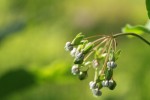
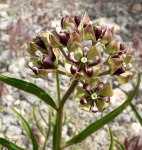
Photo Credits: 1) A monarch caterpillar crawls on Asclepias tuberosa flowers (Chris von Kohn); 2) Asclepias speciosa (Matt Lavin); 3) Asclepias exaltata (Chris von Kohn); 4) Asclepias asperula in Red Rock Canyon, Nevada (Stan Shebs); 5) Monarchs resting on a conifer (U.S. Fish and Wildlife, Public Domain); 6) Monarch caterpillar feeds on an Asclepias syriaca leaf (USFWS Midwest Region); 7) Monarchs resting en masse (Rafael Saldaña); 8) Asclepias purpurescens (Chris von Kohn); 9) Asclepias tuberosa seeds (Chrissy Moore)
Norma Weinberg is a Master Gardener and Education Chair of the New England Unit of the Herb Society of America (NEUHSA)
By: The Herb Society of AmericaTitle: Milkweed Saves the Monarch Butterfly
Sourced From: herbsocietyblog.wordpress.com/2023/10/09/milkweed-saves-the-monarch-butterfly/
Published Date: Mon, 09 Oct 2023 09:00:00 +0000
Frequently Asked Questions
What herb heals all wounds?
The answer to this question varies depending on the type and severity of the wound.
The herb comfrey (also known as knitbone) has long been used for its healing properties, particularly for skin injuries such as cuts and bruises.
Studies suggest that comfrey contains allantoin, which helps speed up healing. Other herbs commonly used for healing wounds include calendula, plantain, and yarrow. These herbs help to reduce inflammation, stop bleeding and speed up the skin's healing process.
In addition to herbs, honey has also been found to have powerful antimicrobial properties that can help prevent wound infection.
Herbs for wound care is an age-old practice that continues to be used today. However, herbs should not replace medical treatment, and always consult your doctor before using herbs for healing. With the right herbs, you can give your body the support it needs to heal naturally.
Which plant has antibiotic and wound-healing properties?
People often ask about plants that have medicinal uses. Some of these include aloe vera, eucalyptus, chamomile, and lavender. If you're wondering why there aren't any plants used for cleaning and disinfecting purposes, it's because most plants have toxic qualities.
The reason why we use herbs for medicine is that they contain compounds that stimulate our immune system. This means that they help us fight infections and heal wounds.
Some plants also have anti-inflammatory properties. These include ginger, turmeric, and mint.
Herbs such as basil, fennel, marigold, and oregano are great for cleansing the body.
There are even some plants that help prevent cancer. Research shows that black raspberries may reduce the chances of developing breast cancer. The same goes for broccoli. It can help prevent colon cancer.
What plant helps with infection?
There are plants out there that help fight infections. Some even contain anti-bacterial properties. One of them is mint.
Mint has been used for centuries to treat respiratory infections such as cold symptoms and flu. Mint also supports digestion and relieves gas pains. You may find relief with peppermint tea if you have an upset stomach. Peppermint oil has antibacterial properties, which make it effective against germs.
Peppermint tea contains menthol, beta-carotene, vitamin C, calcium, magnesium, iron, and potassium. These nutrients support healthy immune systems and provide energy to keep your body strong.
You can make peppermint tea at home by adding one teaspoon of dried mint leaves to boiling water. Let steep for five minutes and drink hot three times per day.
Or you can buy peppermint tea bags at any grocery store. Simply add two teaspoons of dried mint leaves to a cup of hot water. Steep for 10 minutes and strain. Drink hot three times per day for best results.
What spice is good for inflammation?
Turmeric is one spice that can be beneficial for reducing inflammation. It contains the active ingredient curcumin, which has been studied extensively and shown to have anti-inflammatory effects on the body. Other spices like ginger, cinnamon, cayenne pepper, garlic, and cardamom may also reduce inflammation in the body. Adding these spices to your diet can help reduce inflammation and promote overall health.
Another spice that can be used to reduce inflammation is black pepper. The active ingredient in black pepper, piperine, has been studied and found to have anti-inflammatory properties. It may also help reduce pain associated with inflammation. Additionally, the spice contains antioxidants which are beneficial for overall health.
Adding black pepper to your diet may help reduce inflammation and promote overall health. Be sure to talk with your doctor before adding any spice to your diet, as some spices may interact with your medications or supplements. Eating various healthy foods, including spices with anti-inflammatory benefits, can help keep your body balanced and reduce the risk of chronic inflammation-related illnesses.
In summary, adding spices to your diet can be beneficial for reducing inflammation and promoting overall health. Spices like turmeric, ginger, cinnamon, cayenne pepper, garlic, cardamom, and black pepper have all been studied for their potential anti-inflammatory effects.
Should You Use Herbs and Spices for Brain Health?
Herbs and spices have been used for centuries to improve brain health. Research shows that these natural remedies may help prevent dementia and Alzheimer's. Some herbs may even boost memory.
However, no scientific evidence proves that eating an herb-rich diet can keep your mind sharp. When it comes to improving cognitive function, there are more effective ways to do it.
One study found that older adults who took 1000 mg of vitamin B6 daily had fewer mental lapses than those taking placebo pills. Another study showed that drinking coffee could increase blood flow to the brain. Other studies suggest that exercise, socialization, and sleep improve brain health.
The bottom line is that herbs and spices probably won't make much difference to your overall health. But they might give you extra energy and focus, which can come in handy during the day.
Statistics
- Herbs are among the most popular and widely used medicinal remedies. According to a survey conducted by the National Institutes of Health, herbs were used by over 38% of adults in the United States.
- The herbs market is highly competitive, with over 1,000 herb suppliers and over 15,000 herbs products available in the United States alone.
External Links
[TAG39]
- Ashwagandha | Memorial Sloan Kettering Cancer Center
- Grape Seed | Memorial Sloan Kettering Cancer Center
[TAG42]
- Peppermint oil (Mintoil®) in the treatment of irritable bowel syndrome: A prospective, double-blind placebo-controlled randomized trial
- Curcumin reverses the effects of chronic stress on behavior, the HPA axis, BDNF expression, and phosphorylation of CREB
[TAG45]
[TAG47]
- Antioxidant capacity of 26 spice extracts and characterization of their phenolic constituents - PubMed
- Cinnamon: A Multifaceted Medicinal Plant - PMC
How To
How to use herbs safely?
Many people think that herbs should only be used under medical supervision because they believe that some herbs are poisonous. However, this is not true.
Many herbs have long histories of safe use. For example, garlic has been used for thousands of years to fight infections. It's also been shown to lower cholesterol levels and reduce high blood pressure.
However, if you're pregnant or nursing, avoid taking certain herbs. You should also avoid them if you suffer from allergies or sensitivities to herbs.
You can do several things to ensure you get the best results from your herbs and supplements. First, always read labels before consuming anything containing herbs or spices. Second, take the lowest dose recommended on the label. Third, don't use more than one supplement at any given time. Fourth, talk to your doctor about how to combine specific herbs and supplements. Finally, keep track of your consumption to know whether you need to adjust your dosage.
Resources:
 |
[TAG50]This DIY parasite cleanse is so easy to make! Check it out. 0:00 Introduction: DIY parasite cleanse 0:10 Parasites explained 1:47 The best remedy for |
 |
[TAG51]Have you ever done this... Enter the room and then forget what you came in for? Do you avoid writing down stuff and forget about it later? Forgetfulness can be |
 |
[TAG52]Watch the Pan African Parliament approve the use of Traditional herbs as an alternative medication to conventional medicine. |
 |
[TAG53]NOTE: This information is meant for educational purposes only. I am NOT a doctor nor pretend to be one. Nothing I say should be used to replace professional |
 |
[TAG54]Natural Antibiotics: The Healing Power of Pantry Herbs and Spices The next time you feel an infection coming on don’t go to your medicine cabinet, check your |
 |
[TAG55]Learn herbs from respected professional herbalists offering world-class herbalist training. The NEW Professional Herbalist Course includes courses on over 600 |
 |
[TAG56]Today I'm going to teach you everything you need to know about herbs using only common household items to store flavour for more than 1 year! 00:00 - Intro |
|
[TAG57]---------------------------------------- Thank you for visiting my channel and supporting the video. Wishing you and your family good health and peace * |
|
[TAG58]Join Maria Tabone and WisdomFeed+ Founder and Host Steve Stein |
 |
[TAG59]Thank you all for watching and I hope this was a peaceful and calming video! Below is my link to my open event on Lemongrass Spa. If you place an order, |
|
[TAG60]AVAILABLE FOR A LIMITED TIME *The Vitalist Herbal Practitioner Program* LEARN MORE & REGISTER | https://EvolutionaryHerbalismLLC.ontraport.com/ […] |
 |
[TAG61]Find out more about herbs and how to use them |
 |
[TAG62]Read about our list of the best citrus bergamot supplements and how they may help to reduce cholesterol levels, balance blood sugar levels, and more. |
|
[TAG63]SPONSORED CONTENT When it comes to finding the best herb suppliers, there are many different places you can shop. However, ... Read more |
 |
[TAG64]Black seed oil is a popular herbal supplement used to improve blood sugar, support heart health, reduce inflammation, enhance brain ... Read more |
 |
[TAG65]Join me in this new episode as I’m sharing five medicinal benefits of hops, as well as an interesting way for you to work with hops in a hops oil recipe. |
 |
[TAG66]In this episode, I’m sharing five steps to take so that when you do commit to a particular course of study, you’ll know you’ve chosen the very best one for YOU. |
 |
[TAG67]Like life, tea is what you make of it and The Cup of Life helps individuals enjoy tea in more than one way. Join me on my tea adventures through my blog! |
 |
[TAG68]Weight loss can be a great way to manage your overall health, especially if you want to reduce your risk ... Read more |
 |
[TAG69]Have you ever wondered how to become an herbalist? Herbalism is the art and science of using herbs for health. ... Read more |
 |
[TAG70]In this episode, you’ll learn all about holy basil benefits for your heart, immune system, brain health and so much more. And don't miss my new ebook! |
 |
[TAG71]The gifts of bee balm include promoting digestion, helping you recover from colds and the flu, fighting fungal and yeast infections… and many more! |
|
[TAG72]Find out how to make a marshmallow root tea recipe for the best marshmallow root benefits and experience one of our most healing and soothing medicinal herbs! |
 |
[TAG73]A tea assessment platform that rates teas based on objective quality markers and a sensory evaluation resulting in a list of the best teas produced each year. |