.png)
Saffron is particularly special for us; its magical scent along with its unique flavour inspires us each day and reveals a world of possibility in the kitchen.
We invite all brave souls who are keen to share their culinary secrets! If you have something delicious on your mind, don't hesitate to share it at [email protected] Let's show our appreciation for all those incredible cultures who dedicate their time and effort towards tantalising taste buds!
For now, love yourself and enjoy this one ...
You're currently a free subscriber. Upgrade your subscription to get access to the rest of this post and other paid-subscriber only content.
Title: The Herb Society Announces a New Online Society Store
Sourced From: herbsocietyblog.wordpress.com/2023/09/22/the-herb-society-announces-a-new-online-society-store/
Published Date: Fri, 22 Sep 2023 07:30:00 +0000
Frequently Asked Questions
What are the side effects of basil?
Basil is an herb that originated in tropical regions of India, Africa, China, Indonesia, Malaysia, Thailand, Philippines, Mexico, Puerto Rico, Jamaica, Costa Rica, Panama, Colombia, Venezuela, Brazil, Peru, Ecuador, Bolivia, Paraguay, Uruguay, Argentina, and Chile.
The plant is easy to grow in most climates and requires little maintenance. Basil also thrives in poor soil conditions and is very drought tolerant.
As for the health benefits, more than 200 known compounds are found in basil, including flavonoids, phenolic acids, lignans, polysaccharides, essential oils, vitamins, and minerals.
According to the University of Maryland Medical Center, basil contains powerful anti-inflammatory properties which may help relieve symptoms associated with arthritis, asthma, allergies, bronchitis, cancer, cardiovascular disease, diabetes, digestive disorders, depression, eczema, insomnia, infections, migraines, osteoporosis, psoriasis, respiratory problems, stress, and ulcers.
Basil is also a culinary spice and is often added to tomato sauces, soups, salads, pasta dishes, rice dishes, dips, casseroles, pizza toppings, pesto, chicken wings, and popcorn.
However, like all herbs, basil should be consumed in moderation. Too much of anything is not good for you. For example, eating large amounts of basil could lead to stomach upset. And if you have sensitive tummies, avoid consuming basil during pregnancy.
If you are pregnant or nursing, consult your doctor before taking herbal supplements.
You should only take one type of supplement at a time. If you take other medications, make sure they do not interact with each other.
You should never use herbs while on medication unless directed by your doctor.
Some people experience allergic reactions when using herbs, especially those allergic to ragweed. Symptoms include hives, swelling around the mouth or eyes, shortness of breath, chest tightness, nausea, vomiting, diarrhea, headaches, dizziness, fainting, heart palpitations, blurred vision, loss of consciousness, seizures, or even death.
Some people who take certain medications may develop an allergy to basil. These drugs include:
- Antacids (like Alka Seltzer)
- Anti-anxiety medicines (Valium, Xanax, Ativan, etc.)
- Beta-blockers (like Propranolol)
- Blood thinners (like Coumadin)
- Calcium channel blockers (like Amlodipine)
- Cholesterol-lowering drugs (like Lipitor, Zocor, Mevacor, and Pravachol)
- Diabetes medicine (like Glucophage)
- Diuretics (like Lasix)
- Heartburn medicines (like Prilosec OTC)
- Hormone therapy (like Premarin, Tamoxifen, Femara)
- Insulin (like Humalog, Lantus, Novolin R)
- NSAIDs (like Aleve, Motrin, Advil, Excedrin, Tylenol, Ibuprofen)
- Oral contraceptives (like Ortho Evra, Yasmin, Loestrin, Ovrette, Yaz, and Seasonale)
- Pain relievers (like Aspirin, Celebrex, Vicodin, Percodan, Darvocet, Dilaudid, Fiorinal, Tylenol 3s, Naproxen, Motrin, Tramadol, Ultram, Voltaren
How do you make medicinal herbs?
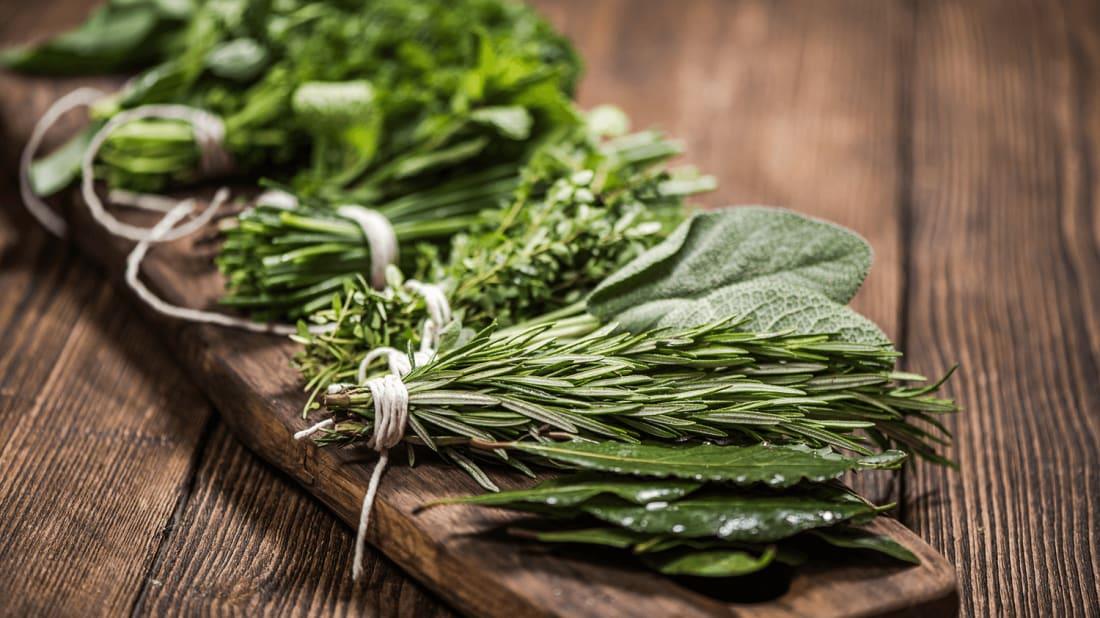
There are many different methods to make herbs into medicinal products. The most common method is to dry the herbs in a warm, dark location before grinding them into a powder or extracting their essential oils. This can be accomplished by hanging herbs upside down in bunches, laying herbs on a drying screen, or using a food dehydrator.
Once dried and ground, herbs can be stored in airtight containers for future use. Other herbs may require special preparation, such as infusing herbs into oil or vinegar, making tinctures with alcohol, or distilling herbs to create essential oils.
Learning the correct techniques for preparing herbs can help ensure that they retain their medicinal properties and potency for optimal health benefits. Using fresh herbs is usually best, but herbs can also be grown in a pot or garden and harvested when they are mature. Herbs can be purchased at health food stores, online retailers, and specialty shops.
No matter where herbs come from, the preparation techniques remain the same; drying herbs in a warm location followed by grinding or extracting the essential oils. You can make your medicinal herbs with the right herbs and preparation techniques.
When making herbal preparations, it is essential to remember that herbs can vary in potency, so always dilute herbs before use or follow the directions on any product label. Additionally, herbs are best used fresh, as many of their beneficial components degrade over time.
Following safety guidelines and paying attention to the potency of herbs can help ensure that you get the most benefit from your herbs. With a bit of practice and preparation, anyone can make therapeutic herbs with medicinal properties. Remember that herbs should never replace any medical advice or treatments prescribed by a doctor. Always consult a licensed healthcare professional before using herbs medicinally.
Which herbs are healing herbs?
If you look for healing herbs, you won’t find them in the supermarket. There isn’t any place to buy them. There is no store selling them.
You haven’t been able to find healing herbs because they aren’t sold anywhere. They are grown right here in our backyard.
Healing herbs are plants that grow naturally in North America. Like many common household items, these herbs grow throughout the United States and Canada.
These herbs treat minor ailments such as colds, flu, sore throats, coughs, and headaches. Many of these herbs have been used for centuries to help heal wounds and promote overall health.
Of course, when we say “heal,” we mean more than simply treating an illness. We also refer to the ability of these herbs to restore balance and harmony within ourselves and the world around us.
For example, the chamomile herb helps relieve stress. This means that if you feel stressed out, you may benefit from taking chamomile tea. Chamomile tea has been shown to reduce anxiety and nervous tension.
In addition, chamomile tea has been proven effective in relieving insomnia.
Chamomile tea has many other benefits, including its ability to ease stomach aches and gas pains and even improve digestion.
Another popular healing herb is Echinacea. Echinacea is known for helping to fight infections and boosting the immune system.
Echinacea is commonly taken internally and externally to fight infection, prevent viral diseases, and boost immunity. It is safe to use during pregnancy and lactation.
Echinacea also helps reduce muscle pain and inflammation. You can take echinacea orally or topically (as an ointment).
This herb is available in both liquid and capsule form. Liquid echinacea is often mixed with honey and lemon juice. The mixture is then strained and consumed.
Capsules are usually made of freeze-dried plant material. They contain standardized amounts of active ingredients. To use capsules, swallow one or two a day.
The third type of herbal remedy is called tincture. Tinctures are alcoholic extracts of herbs. They are typically used to treat internal problems. Tinctures are generally diluted before being ingested.
Tinctures can be taken orally or applied topically. For oral consumption, dilute tinctures with water. Some people prefer to mix tinctures with food.
Tinctures are easy to prepare. Put about one tablespoon of dried herb into a bottle containing enough alcohol to cover the herb completely. Allow the mixture to sit for several weeks. Then strain and consume.
You may want to try some of these natural remedies to see which ones work best.
Why do some love coriander and others don't?
Some people hate coriander, while others love it. But why?
Coriander is an herb that grows in warm climates throughout the world. It is native to both North America and Europe.
The leaves of the plant are used in cooking and can also be found in condiments such as salad dressings and dips. When added to food, coriander provides a spicy flavor.
Many people love its taste because it adds a fresh flavor to dishes without overpowering them. Others dislike the smell and taste of coriander because they find it too strong.
But there is more to coriander than meets the eye. There are two types of coriander – sweet and hot. Sweet coriander is milder and sweeter tasting compared to hot coriander.
Sweet coriander is usually grown for its seeds, often called cilantro. This type of coriander is easy to grow and is very low maintenance.
Hot coriander is most commonly used in Indian cuisine. Hot coriander gives a rich flavor to curries and sauces, making it popular among Indians.
Some people say that hot coriander tastes better than sweet coriander. However, the opposite is true for those who prefer sweet coriander.
There are many reasons why people enjoy different varieties of coriander. For example, one person may love the taste of coriander, while another enjoys the aroma.
Whether you like sweet or hot coriander, you might be surprised to learn that you can buy both types of coriander online.
Should You Use Herbs and Spices for Brain Health?
Herbs and spices have been used for centuries to improve brain health. Research shows that these natural remedies may help prevent dementia and Alzheimer's. Some herbs may even boost memory.
However, no scientific evidence proves that eating an herb-rich diet can keep your mind sharp. When it comes to improving cognitive function, there are more effective ways to do it.
One study found that older adults who took 1000 mg of vitamin B6 daily had fewer mental lapses than those taking placebo pills. Another study showed that drinking coffee could increase blood flow to the brain. Other studies suggest that exercise, socialization, and sleep improve brain health.
The bottom line is that herbs and spices probably won't make much difference to your overall health. But they might give you extra energy and focus, which can come in handy during the day.
Is basil good for kidneys?
The answer is yes. Basil is an excellent food for kidney health. It contains potassium which helps reduce high blood pressure. It also contains vitamin K, which is essential for bone strength. As well as this, it is rich in antioxidants which help protect against heart disease.
Basil is great for digestion too. It contains digestive enzymes that break down protein and carbohydrates. This makes it easier to absorb nutrients from your meals.
Basil is a wonderful addition to any diet. Try sprinkling some over pasta dishes, salads, soups, and sandwiches. Or add little stir-fried vegetables, chicken, fish, meat, and tofu.
It's delicious in pesto sauce and fresh in salad dressings. You'll find many recipes online where you can learn how to cook with basil.
Try making basil oil by adding a few drops of pure olive oil to a jar filled with chopped basil leaves. Let it steep overnight, and then strain out the leaves. Use the oil as a massage oil or rub it onto your skin.
It will leave your skin soft and smooth.
What herbs should you take daily?
Depending on your health and wellness needs, many herbs can be taken daily to help improve your overall health.
Popular herbs for daily consumption include ashwagandha, turmeric, ginger, holy basil, chamomile, lavender, peppermint, and cayenne pepper. Ashwagandha is an adaptogenic herb that can help the body resist stress and anxiety. Turmeric is known for its anti-inflammatory properties, while ginger has been shown to aid digestion and boost immunity. Holy basil may help with managing blood sugar levels, as well as providing a calming effect. Chamomile can promote relaxation, while lavender is used in aromatherapy for its calming properties. Peppermint can help aid digestion and reduce nausea, while cayenne pepper has antibacterial properties that may boost your immunity.
As always, you must consult your doctor before taking herbs daily to ensure they are safe for you and do not interact with any other medications or herbs you may be taking.
There is no shortage of information on what foods we should eat and how much exercise we should do. But when it comes to what supplements we should take, there is a dearth of knowledge.
This is because most of us aren’t sure which ones work or which are junk. So we go online and look up whatever we can find.
But often, these articles are written by companies trying to promote their products. Which means they're usually biased toward their product.
So instead of finding unbiased advice, we end up reading marketing hype.
This makes sense since marketers make more money selling stuff than doctors.
The medical industry isn’t even allowed to advertise directly to consumers anymore. The best way to learn about natural remedies is to read independent reviews.
This is where you'll find real users sharing their experiences with each supplement. These sites give you an honest opinion of whether or not a particular herb helps.
Users will often share their experience with a supplement after taking it. This gives you a good idea of its effectiveness and any side effects.
You can also check out forums dedicated to herbalism. Here you can ask questions and receive answers based on personal experience.
Of course, there are plenty of other ways to learn about herbs.
There are books, websites, blogs, videos, podcasts, and classes. All of them provide valuable information about natural remedies.
Statistics
- Herbs are among the most popular and widely used medicinal remedies. According to a survey conducted by the National Institutes of Health, herbs were used by over 38% of adults in the United States.
- Studies have shown that cinnamon can lower fasting blood sugars by 10-29% in diabetic patients, which is a significant amount (9Trusted Source10Trusted (healthline.com)
External Links
[TAG25]
[TAG28]
- Ashwagandha | Memorial Sloan Kettering Cancer Center
- Grape Seed | Memorial Sloan Kettering Cancer Center
[TAG31]
[TAG33]
- Peppermint oil (Mintoil®) in the treatment of irritable bowel syndrome: A prospective, double-blind placebo-controlled randomized trial
- Curcumin reverses the effects of chronic stress on behavior, the HPA axis, BDNF expression, and phosphorylation of CREB
How To
How To Upcycle Herbs After Making Infusions, Oils, Tinctures, And More?
There are more ways to use herbs than you might realize. This is why it's essential to keep an open mind when learning how to make herbal infusions, oils, tinctures, and more.
You'll find that there are many methods for making these products, and even though they may seem similar, each method has its benefits.
For example, some methods include creating decoctions, boiling water or alcohol with the herb(s), and letting them simmer for a while. These infusions are solid and potent because they contain higher concentrations of active compounds.
Another type of infusion includes macerating the herb(s), which means soaking them in liquid for a few hours or even overnight. Macerations tend to produce milder results because the plant material isn't boiled.
Some cold-infused forms involve steeping herbs in cool liquids such as ice cubes or cold water. Cold infusions are gentler than hot ones, often used to treat minor ailments.
Herbal oil extraction involves heating the herb(s) to release the essential oils. You can either do this yourself or have someone help you out with it.
Finally, there are tinctures made by mixing herbs with alcohol. They're usually taken orally and are very effective for treating coughs, colds, and flu symptoms.
The best way to learn how to create infused products is to experiment with various techniques. Each technique offers a different potency and effectiveness, depending on the herb(s) you choose.
Once you've tried a few different methods, you'll begin to develop your preferences. In time, you'll be able to determine which techniques work well for you and which aren't worth pursuing.
Resources:
 |
[TAG36]With uncle to find herbal plants to boil drinking water, plant more onions, visit the growing corn garden, dig cassava to raise ducks, a free life, a new life. |
 |
[TAG37]VIDEO FULL: Harvesting Taro Sprouts, Precious Herbs, Frog, Crescentia Cujete, Wild Vegetables Thank you for watching my and Dad video! Hope you enjoy this |
 |
[TAG38]#gardening #preserving I don't quite understand my lack of "want" to fight for my tomato plants. I think maybe it was easier to just walk away from the |
 |
[TAG39]Town Hall Meeting- with Rattigan, Maria , Herb and Man in the Wilderness- Wayne Lonesome |
 |
[TAG40]Today's video is all about crafting medicinal oils. It goes through two different methods and how and why you may want to make them. Oils are among my favorite |
 |
[TAG41]Learn herbs from respected professional herbalists offering world-class herbalist training. The NEW Professional Herbalist Course includes courses on over 600 |
 |
[TAG42]Join our Online Learning Program to learn more about Onions and other Helpful Herbal Treatments: https://homegrownherbalist.net Join this channel to get |
 |
[TAG43]Greetings, magickal mavens, and welcome to The Writing Witch Podcast. In today's video, I'm sharing with you some helpful tips on how to start your green witch |
 |
[TAG44]The power of neem leaves comes from its triterpenoid compounds such as azadirachtin, nimidin, nimbin and gedunin. It can definitely be one to have handy in |
 |
[TAG45]#herbs #herbalmedicine #homestead The days are getting shorter and fall is in the air. The days of gathering fresh herbs for medicine are coming to an end |
 |
[TAG46]Herbalist Rachelle Robinett (founder of NYC cafe Supernatural) is taking us through her morning routine in this special episode of Plant Based! As a reminder, |
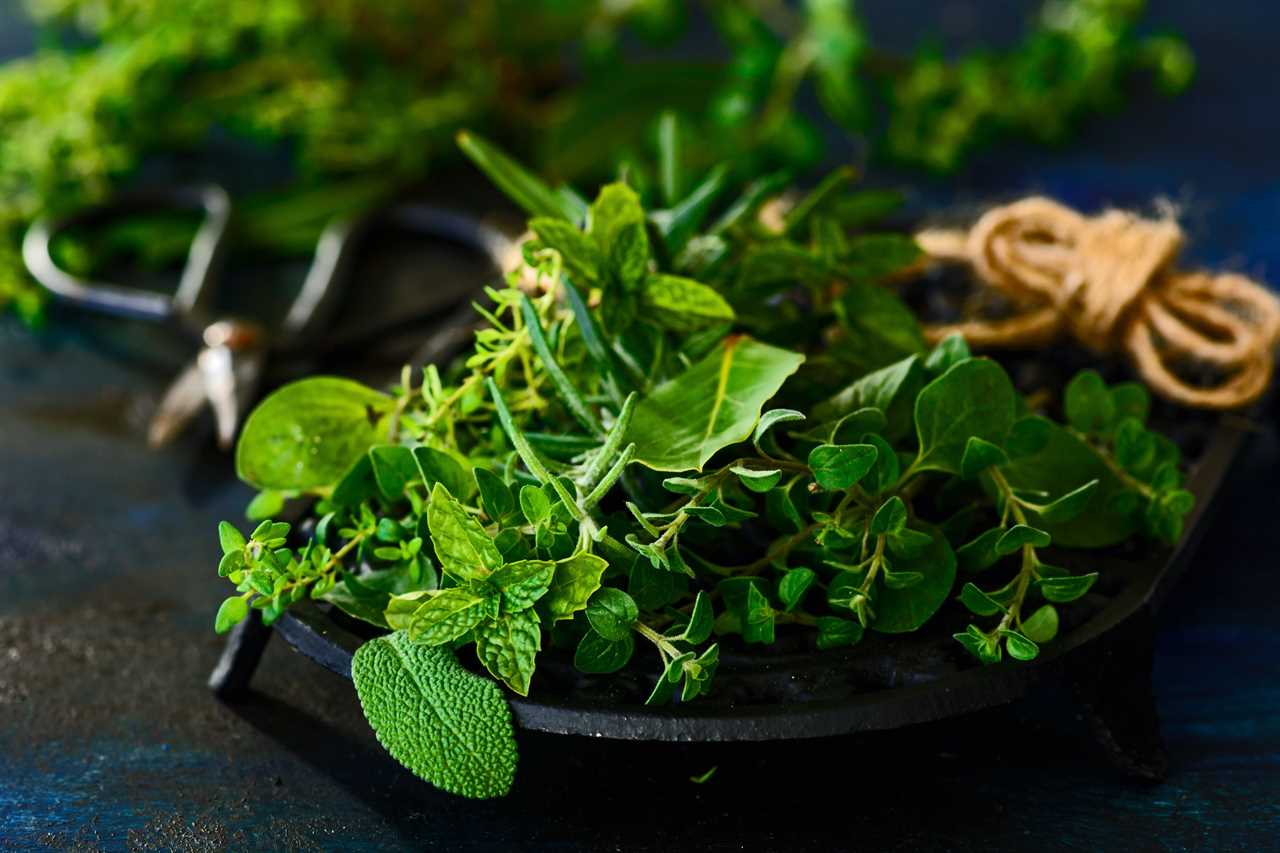 |
[TAG47]Find out more about herbs and how to use them |
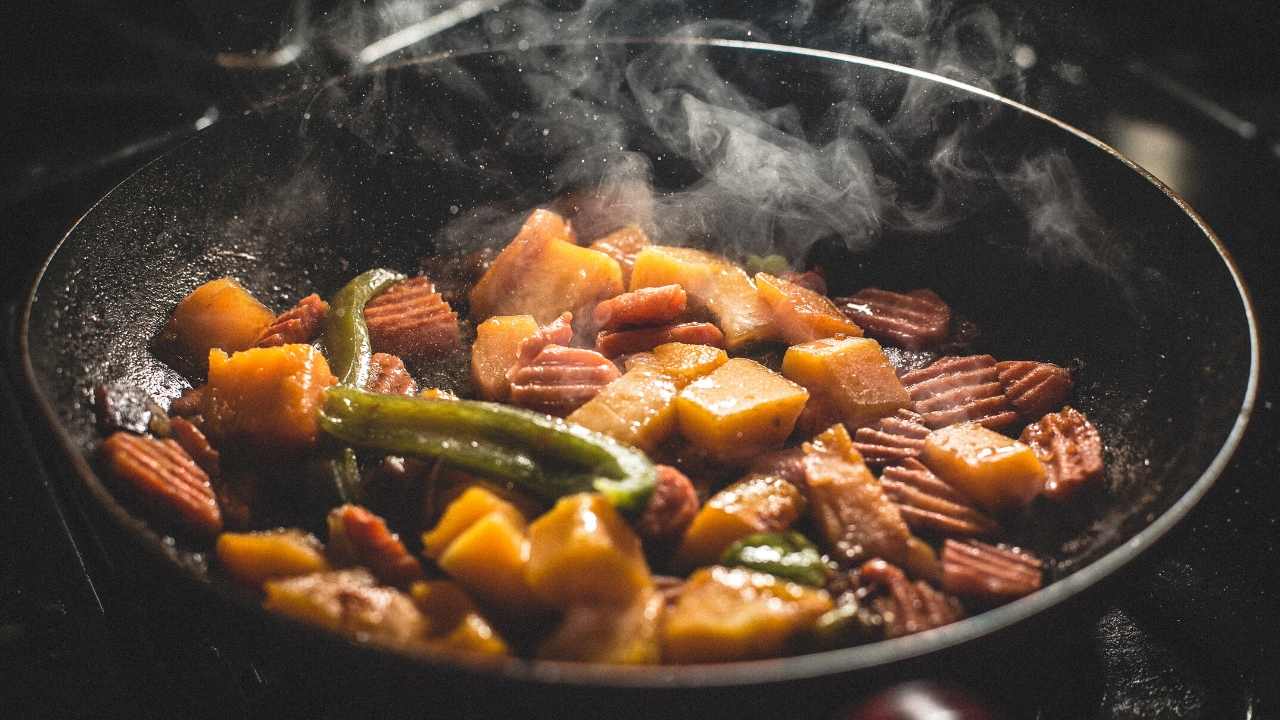 |
[TAG48]Weight loss can be a great way to manage your overall health, especially if you want to reduce your risk ... Read more |
 |
[TAG49]Have you ever wondered how to become an herbalist? Herbalism is the art and science of using herbs for health. ... Read more |
 |
[TAG50]In this episode, you’ll learn all about holy basil benefits for your heart, immune system, brain health and so much more. And don't miss my new ebook! |
 |
[TAG51]Many people know of cinnamon primarily for culinary uses, but it also has potential health benefits, such as blood sugar ... Read more |
 |
[TAG52]Raspberry leaf has a long traditional use in women’s health. In this article, we will discuss the health benefits of ... Read more |
 |
[TAG53]Like life, tea is what you make of it and The Cup of Life helps individuals enjoy tea in more than one way. Join me on my tea adventures through my blog! |
|
[TAG54]Have you considered exploring herbalism but aren’t sure where to start? Although herbalism is still gaining traction in the US, ... Read more |
 |
[TAG55]The gifts of bee balm include promoting digestion, helping you recover from colds and the flu, fighting fungal and yeast infections… and many more! |
 |
[TAG56]Find out how to make a marshmallow root tea recipe for the best marshmallow root benefits and experience one of our most healing and soothing medicinal herbs! |
 |
[TAG57]Reach for chamomile tea to soothe an upset tummy, to relieve stress and tension, and even to promote sleep! + How to avoid unwanted chamomile tea side effects |
 |
[TAG58]Join me in this new episode as I’m sharing my top 6 chamomile plant benefits PLUS I’m sharing a completely underrated remedy: a chamomile oil recipe. |
 |
[TAG59]A tea assessment platform that rates teas based on objective quality markers and a sensory evaluation resulting in a list of the best teas produced each year. |