.png)
For now, love yourself and enjoy this one ...
Taken on a sensory journey of plants.
- Discover how you can bring more harmony and peace into your daily life.
- Learn how to make herbal remedies.
- Listen to your inner voice and learn to trust it.
- Radiate brightly by nourishing your spirit and refreshing your soul.
This course offers a place to pause.
You can take a sensory journey through plants and meditation practices.
This is an invitation to get to know you intimately. To ask yourself how you are and what you need in each moment. You will learn practical ways to honor this.
Your intuition will guide you to listening to your body and to dropping towards your inner guidance and best gift.
You will experience the essence of the autumn season, turning inwards to ground yourself.
Explore plants that embody the earthiness and warmth of autumn. These plants (mainly roots, berries, and barks) will bring you back to earth, and create a grounded feeling through their connection.
This is a chance to "get rooted", to develop the ability to listen to your intuition and to trust it.
You will be guided through six sessions to discover your inner nature, your senses and intuition and your external nature.
Yoga practices will help you to improve your awareness.
- Breathing
- self-reflection
You will be able to observe the subtle interactions between your internal and your external environment. You will also begin to understand their symbiotic relation and how this playful dancing is linked to your landscape of health.
What you will learn
Learn how to restore a healthy nervous system balance using meditation, breathing and self-reflection techniques from Yoga traditions. These practices allow you to connect with your intuition and develop trust.
How to build a relationship and engage with plants using meditation and organoleptic (with the senses) practices.
Discover the history, folklore and traditional uses of 12 medicinal plants. Also, learn about their nuanced properties and discover their medicinal properties.
Learn how to safely practice home-herbalism using different herbal formulations such as infusions (teas), syrups, decoctions and foot and hand soaks.
How to incorporate the tools, techniques and herbal wisdom of the course in your life in a way that empowers you in order to live a healthy, vibrant lifestyle.
What you will Receive
Weekly Meetings: This course will be spread over six weekly meetings of maximum 90 minutes each. The meetings will be held online via Zoom. You will receive weekly recordings of all meetings so you can catch up on missed sessions.
The recordings will be available one week after the meeting. Each meeting includes theory, practical and questions.
Course Materials: You'll receive Herb profiles for all plants covered in the course and recipes for all herbal remedies you made (plus bonus recipes) during the course. These materials will be delivered in PDF format.
Practices You'll receive links to online videos or audio recordings that cover specific breathing and meditation techniques. These can be practiced at your convenience.
Yoga Nidra is an effective form of guided relaxation that allows you to access the space between your conscious and subconscious minds. You will receive a Yoga nidra audio recording created specifically for this course.
Self-reflection, intention setting and trusting your intuition: You will have the opportunity to practice self-reflection techniques and setting intentions throughout the course to develop your relationship with plants and to strengthen your trust in your intuitive abilities.
Connection You'll have access to a Facebook group that you can use to discuss the course and ask questions.
When is the next course?
- Session 1: Wednesday 11th October 10.30am - 12.00pm (BST)
- Session 2: Wednesday 18th October 10.30am - 12.00pm (BST)
- Session 3: Wednesday 25th October 10.30am - 12.00pm (BST)
- Session 4: Wednesday 1st November 10.30am - 12.00pm (GMT)
- Session 5: Wednesday 8th November 10.30am - 12.00pm (GMT)
- Session 6: Wednesday 15th November 10.30am - 12.00pm (GMT)
You can still catch up on the recordings if you are unable to attend the live sessions.
What else?
You will receive a list of herbs that we will cover during the course after you book your place.
These herbs will be required in dried form to complete the Home Herbal Apothecary course and for participation.
You will receive details about a trusted vendor where you can buy the herbs needed for the course.
The cost will be approximately PS50 (plus postage).
Please Note: These herbs are essential to the course. You will need them both for the practical aspects of the course and for making home herbal remedies at your leisure.
How to book
- Full Price: PS222 (until the 15th September 2023)
about your course tutor
Hello, I am Helen Barnett your course tutor.
Growing up, I had a strong connection with nature and recognized the healing benefits it brought me (and still does). This is the basis of everything I do.
No wonder I studied herbal medicine and other natural treatments.
I was a medical herbist in UK clinics for over 10 years. During this period, I noticed a disconnect between many people and their health, including myself. Many felt disempowered by life, health and circumstances.
My passion became empowering people with the knowledge and skills they need to improve their health and well-being, instead of just prescribing herbal remedies.
In response to this, I started teaching herbal medicine workshops and courses.
Since 2016, I have been teaching herbal medicine to students in various settings. These include charities, community centres, organic farms, retreat venues and online courses.
I love to share herbal wisdom and the connection between nature and people. I love the sense of wonder and awe that people feel when they realize what incredible nature is.
Since 2005, I have been practicing Yoga regularly. It has positively impacted my life in ways that are beyond words. I started teaching Yoga in 2017. In addition to the standard teacher training, I have also studied Yoga philosophy, psychology and Yoga therapy.
Herbal medicine courses incorporate elements of Yoga.
They are non-dogmatic and offer a simple invitation for you to cultivate a connection with your inner self, through which you can connect with nature.
Soul medicine is what I would call this.
The post The ethicurean first appeared on EATWEEDS.
By: Robin HarfordTitle: the ethicurean
Sourced From: www.eatweeds.co.uk/ethicurean
Published Date: Wed, 06 Sep 2023 05:45:25 +0000
Frequently Asked Questions
What is the difference between "regular" and smoked paprika powder?
Regular Paprika Powder (Piment d'Espelette) is an essential ingredient for our recipes. We use it for its intense flavor and color. It's also used as a spice and seasoning agent. Smoked Paprika Powder (Paprika Chorizo) adds a smoky taste and aroma to dishes. Both types of Paprika Powder come from Spain, where they grow the best peppers in the world.
Smoked Paprika Powder (Chorizo Paprika) is made from red peppers, which are dried slowly in special ovens. This gives them a rich flavor. They are then ground and mixed with salt, garlic, and spices.
Regular Paprika Powder (Espelette Paprika) is made by grinding green bell peppers without additives.
What spice is good for inflammation?
Turmeric is one spice that can be beneficial for reducing inflammation. It contains the active ingredient curcumin, which has been studied extensively and shown to have anti-inflammatory effects on the body. Other spices like ginger, cinnamon, cayenne pepper, garlic, and cardamom may also reduce inflammation in the body. Adding these spices to your diet can help reduce inflammation and promote overall health.
Another spice that can be used to reduce inflammation is black pepper. The active ingredient in black pepper, piperine, has been studied and found to have anti-inflammatory properties. It may also help reduce pain associated with inflammation. Additionally, the spice contains antioxidants which are beneficial for overall health.
Adding black pepper to your diet may help reduce inflammation and promote overall health. Be sure to talk with your doctor before adding any spice to your diet, as some spices may interact with your medications or supplements. Eating various healthy foods, including spices with anti-inflammatory benefits, can help keep your body balanced and reduce the risk of chronic inflammation-related illnesses.
In summary, adding spices to your diet can be beneficial for reducing inflammation and promoting overall health. Spices like turmeric, ginger, cinnamon, cayenne pepper, garlic, cardamom, and black pepper have all been studied for their potential anti-inflammatory effects.
What is the difference between basil and oregano?
Both of these herbs belong to the Lamiaceae family. They share similar flavors, but the differences are obvious.
Oregano is more pungent than basil. It also adds an extra layer of flavor to foods.
Basil leaves are smaller than oregano leaves. They are also softer and less aromatic.
The two herbs are often used interchangeably. Although they are quite similar, each has its distinctive qualities.
What are the disadvantages of using herbs?
Herbs are a great way to keep your body healthy because they contain vitamins, minerals, antioxidants, enzymes, amino acids, phytonutrients, polyphenols, flavonoids, terpenes, essential oils, carotenoids, sterols, and sterolins. Some even contain cannabinoids.
But there are also lots of side effects associated with herbal remedies. For example, taking too much herb could cause liver damage or even death. Herbal supplements may interact with prescription drugs, which means that they might affect how well the drug works.
Some herbs can interfere with blood clotting, while others may increase bleeding when taken with anticoagulants (blood thinners).
There are also safety concerns for pregnant women and children.
The bottom line is that herbs aren't safe for everyone. If you're considering trying them out, do your homework. Look up each product's side effects and warnings and read reviews online.
Which plant has antibiotic and wound-healing properties?
People often ask about plants that have medicinal uses. Some of these include aloe vera, eucalyptus, chamomile, and lavender. If you're wondering why there aren't any plants used for cleaning and disinfecting purposes, it's because most plants have toxic qualities.
The reason why we use herbs for medicine is that they contain compounds that stimulate our immune system. This means that they help us fight infections and heal wounds.
Some plants also have anti-inflammatory properties. These include ginger, turmeric, and mint.
Herbs such as basil, fennel, marigold, and oregano are great for cleansing the body.
There are even some plants that help prevent cancer. Research shows that black raspberries may reduce the chances of developing breast cancer. The same goes for broccoli. It can help prevent colon cancer.
Statistics
- Herbs are among the most popular and widely used medicinal remedies. According to a survey conducted by the National Institutes of Health, herbs were used by over 38% of adults in the United States.
- Studies have shown that cinnamon can lower fasting blood sugars by 10-29% in diabetic patients, which is a significant amount (9Trusted Source10Trusted (healthline.com)
External Links
[TAG29]
[TAG31]
- Ashwagandha | Memorial Sloan Kettering Cancer Center
- Grape Seed | Memorial Sloan Kettering Cancer Center
[TAG34]
[TAG37]
How To
How to Use Herbs and Spices in Cooking?
Herbs and spices are a great way to add flavor without adding calories. If you've been cooking for years, you already know how easy it is to make even bland foods taste delicious. Try these tips to add more flair to your dishes.
Herbs and spices are essential ingredients in any kitchen. In addition to making food taste better, they also help keep food fresh longer. From enhancing the flavors of soups and sauces to infusing drinks with exotic tastes, herbs and spices go far beyond traditional cooking.
The most important thing to remember when using herbs and spices is to use them sparingly. Even though they may seem like powerful ingredients, they have a strong scent. So, sprinkle them on top instead of piling them onto a dish.
You'll find that the best herbs and spices come in small containers. This makes them easier to measure out, so there won't be any waste. Plus, you'll save money because you won't have to buy large amounts.
Another tip is to avoid placing herbs and spices directly on hot pans. Heat will quickly dry out the herbs and spices, leaving a bitter aftertaste. Instead, place them on paper towels to absorb excess moisture.
Use herbs and spices liberally in recipes where they naturally complement each other. For example, cinnamon pairs well with apples, while garlic complements tomatoes. Once you learn how to combine flavors, you'll be able to create your signature dishes.
Try experimenting with different herbs and spices to spice up meals. For instance, mix thyme, rosemary, oregano, and basil in a bowl. Add salt and pepper to taste. Then toss the mixture with pasta, chicken, or fish.
After the meal, store leftover herbs and spices in airtight jars. This will prevent them from drying out. Also, wrap unused herbs and spices tightly in plastic wrap. They should stay fresh for at least three months.
If you're looking for ways to improve your diet, consider trying new herbs and spices. You can experiment with different blends until you discover your favorite combination. The possibilities are endless!
Resources:
 |
[TAG39]Have you ever wondered which herbs can significantly boost your health? Even in the earliest civilizations, herbs were regarded as sacred, integral to rituals, |
 |
[TAG40]Learn how to grow medicinal and edible herbs in your garden with this medicinal plants introduction of our homestead herbal garden spring tour. My favorite |
 |
[TAG41]When you have had potatoes twenty different ways this year already, usually I find I have forgotten all about Hassleback potatoes with garlic and herbs. It |
 |
[TAG42]Andy has a history lesson with author and journalist Ian Herbert. Also discussed: - Where we went right (and wrong) this transfer window - Tranmere |
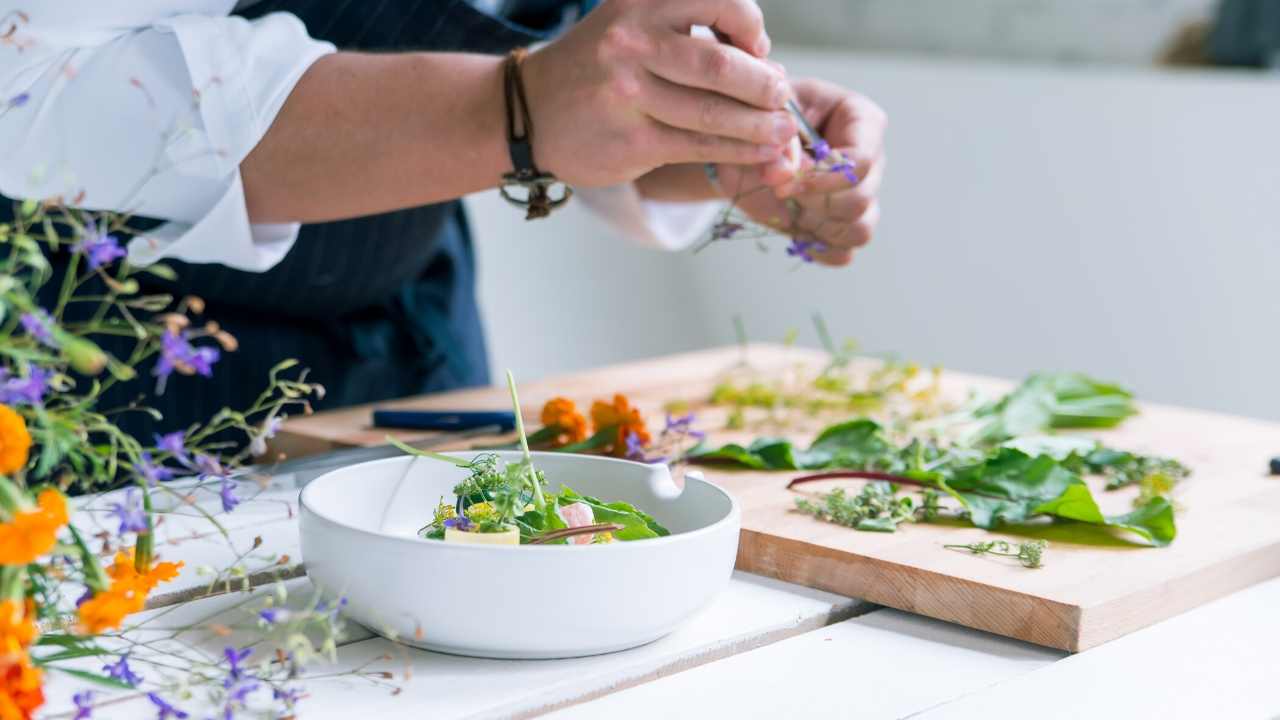 |
[TAG43]Have you ever wondered what some of the best natural herbs are for indigestion? in this video, we've listed 3 popular herbs used against indigestion. 1. |
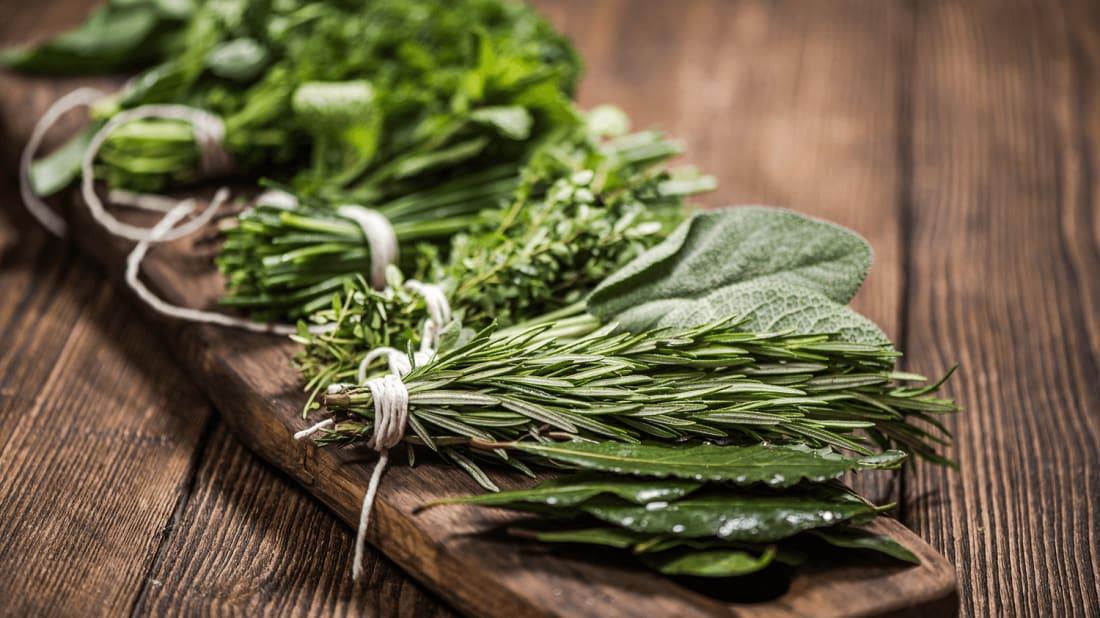 |
[TAG44]Learn herbs from respected professional herbalists offering world-class herbalist training. The NEW Professional Herbalist Course includes courses on over 600 |
|
[TAG45]Precious Herbs In Raising Chickens & Pigs, Reduce Food Waste and Save A Lot of Money For Farmer #chicken #sosonfarm #chickenfarming |
 |
[TAG46]Rachelle Robinett explains the best herbs to aid sleep, especially as we readjust our sleep schedules as the world slowly reopens. This herbal tea is perfect |
 |
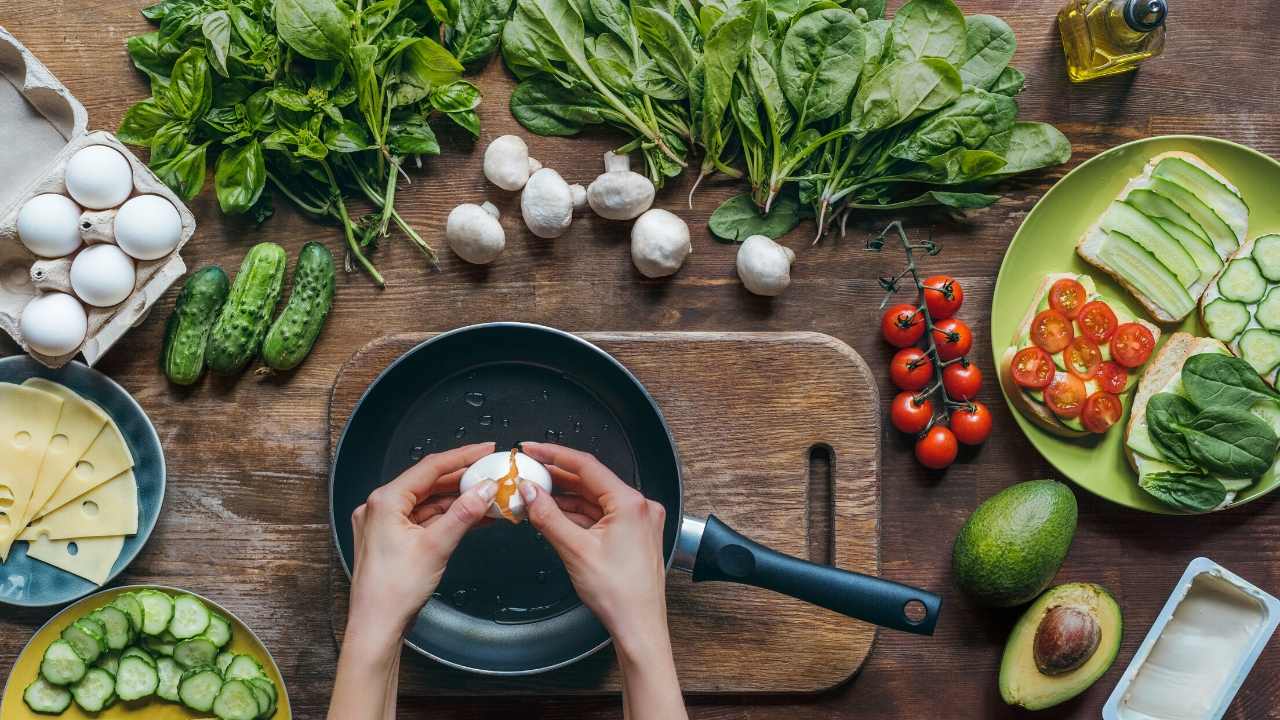
[TAG47]Fresh herbs in the Restaurant: Rosemary, Oregano and Wheatgrass |
 |
[TAG48]This video shows an interesting tour to a Himalayan Jungle in search of some herbs ..Himachal Pradesh is bestowed with rich biological diversity. Himachal |
 |
[TAG49]tercel herbs private limited presents berry bond juice ||tercel products results #tercel #ayurvedic #tercel #motivation #business #success #instagram |
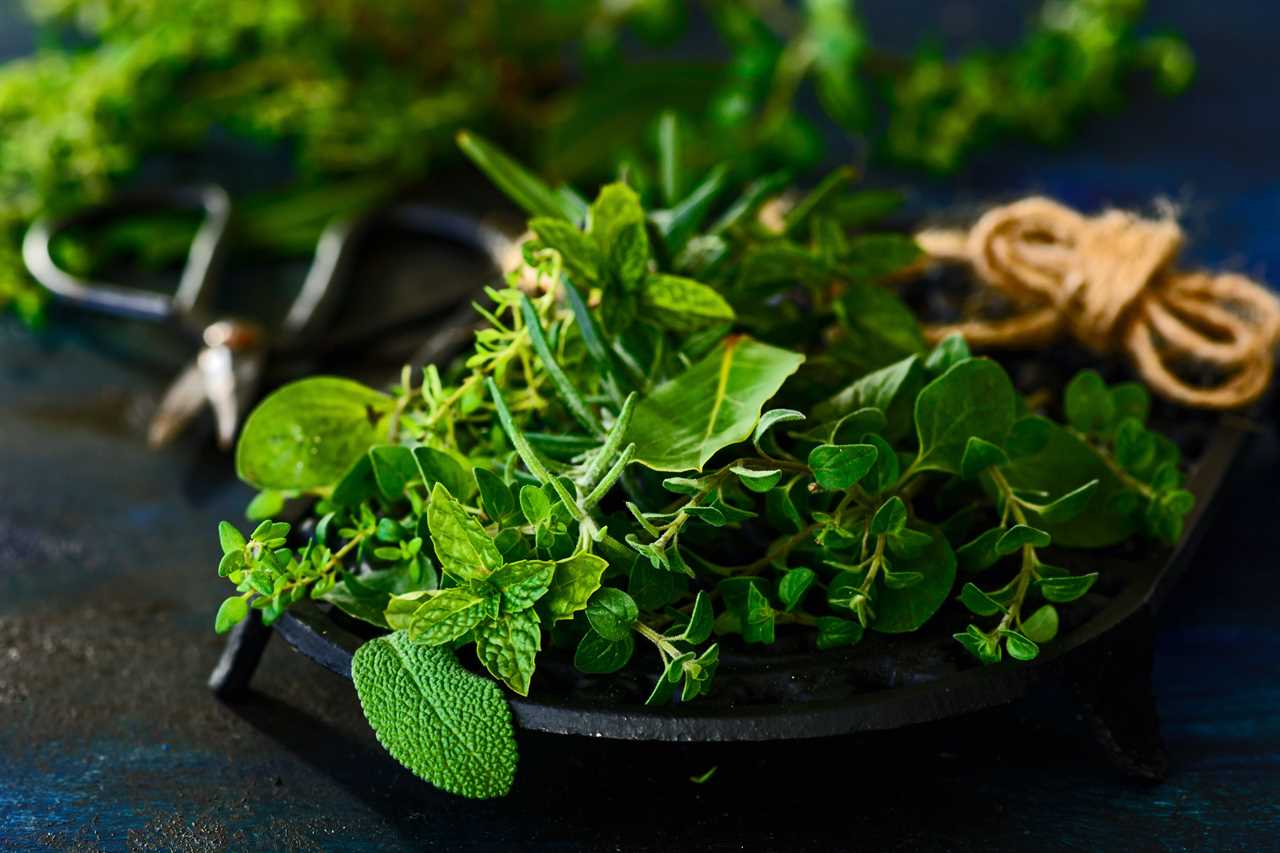 |
[TAG50]Find out more about herbs and how to use them |
|
[TAG51]Many people know of cinnamon primarily for culinary uses, but it also has potential health benefits, such as blood sugar ... Read more |
 |
[TAG52]Raspberry leaf has a long traditional use in women’s health. In this article, we will discuss the health benefits of ... Read more |
 |
[TAG53]Have you considered exploring herbalism but aren’t sure where to start? Although herbalism is still gaining traction in the US, ... Read more |
|
[TAG54]Boswellia is a very popular herb taken by people who want to reduce inflammation and pain. This aligns with boswellia’s ... Read more |
 |
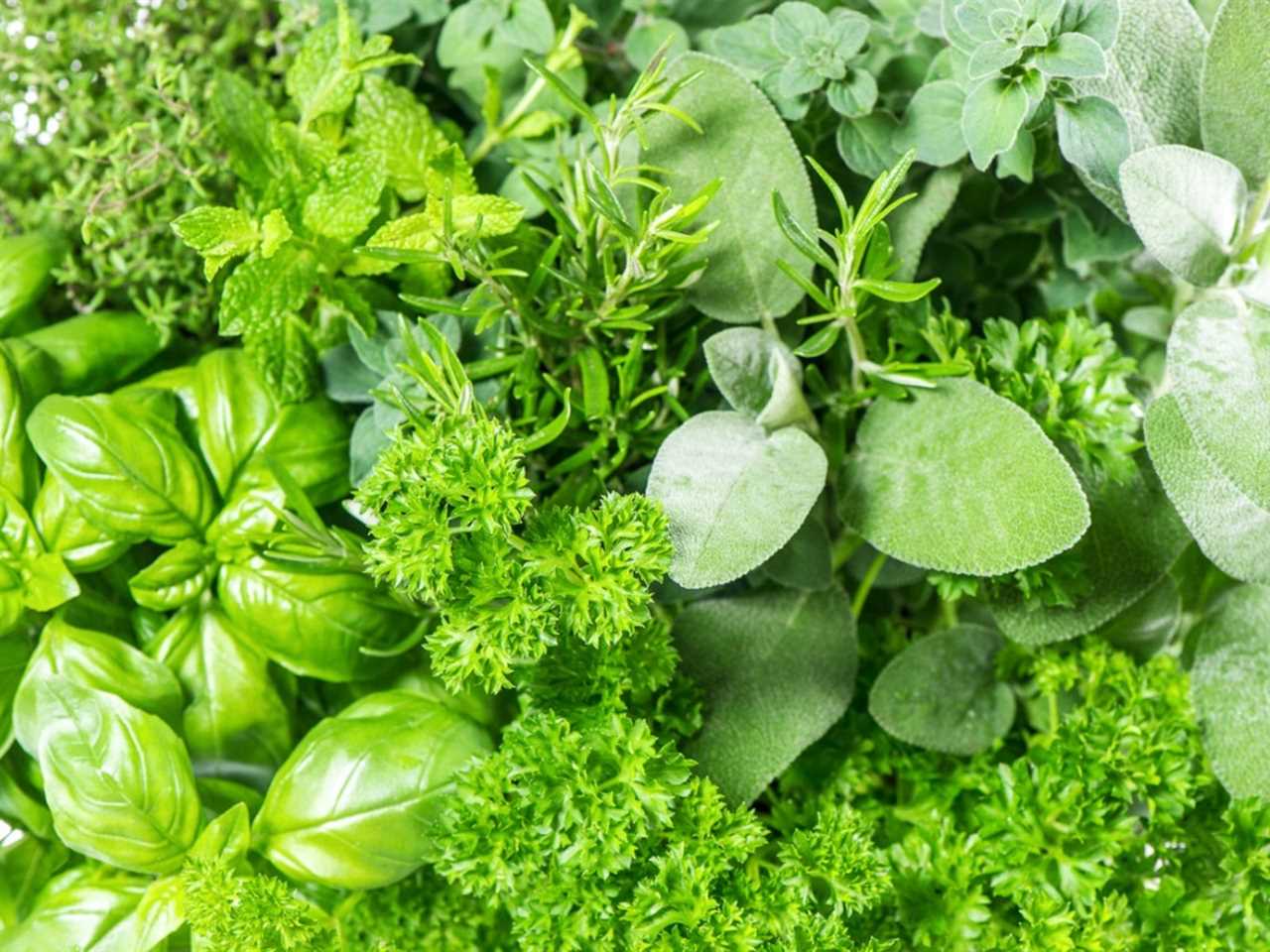
[TAG55]The gifts of bee balm include promoting digestion, helping you recover from colds and the flu, fighting fungal and yeast infections… and many more! |
 |
[TAG56]Like life, tea is what you make of it and The Cup of Life helps individuals enjoy tea in more than one way. Join me on my tea adventures through my blog! |
 |
[TAG57]Today, many people use maca supplements to supercharge sexual function, enhance energy, and improve brain function. And while research does ... Read more |
 |
[TAG58]Find out how to make a marshmallow root tea recipe for the best marshmallow root benefits and experience one of our most healing and soothing medicinal herbs! |
 |
[TAG59]Reach for chamomile tea to soothe an upset tummy, to relieve stress and tension, and even to promote sleep! + How to avoid unwanted chamomile tea side effects |
 |
[TAG60]Join me in this new episode as I’m sharing my top 6 chamomile plant benefits PLUS I’m sharing a completely underrated remedy: a chamomile oil recipe. |
 |
[TAG61]Tune in for this new episode and I think you’ll love hearing Jesus share memories of how his grandmother turned to Mexican oregano for food and medicine. |
 |
[TAG62]A tea assessment platform that rates teas based on objective quality markers and a sensory evaluation resulting in a list of the best teas produced each year. |
Did you miss our previous article...
https://belovedsaffron.com/herbs/herb-of-the-month-aleppo-pepper-an-intriguing-flavor