.png)
For now, love yourself and enjoy this one ...
By Beth Schreibman Gehring
As the warm embrace of the sun gives way to the crisp, cool air of autumn, our natural environment begins a beautiful symphony. The equinox is a sacred moment for those who are tuned into the whispers of Earth. It's an opportunity to connect with the abundance of the land, to contemplate the mysteries of life and to bow down in reverence. The autumnal Equinox, which occurs in the Northern Hemisphere usually around September 21st and 22nd, gives us a glimpse of cosmic balance. This day, the sun crosses the celestial pole with equal grace.
As the sun dips gracefully lower in the sky and the daylight gives way to the night, our gardens undergo a beautiful metamorphosis. Autumn's opulent colors replace the vibrant summer blooms that were once so dazzling. Fallen leaves rustle in the air like secrets and the scent of ripening fruit fills the air. The promise of harvest is lingering on the sweet smell of windfall apple that we are just waiting to find. In this magical season, gardens are transformed into quiet sacred spaces where ancient wisdom is softly murmured and eternal cycles of the life are revealed by every leaf falling.
Autumn's benevolence bestows on us a bounty of botanical treasures and herbs, each with their own healing properties and magic. Her changing colors and scents are so alluring that I cannot resist. I'm also drawn to her wisdom and am inspired to create rituals which nourish my garden, and in turn nourish myself.
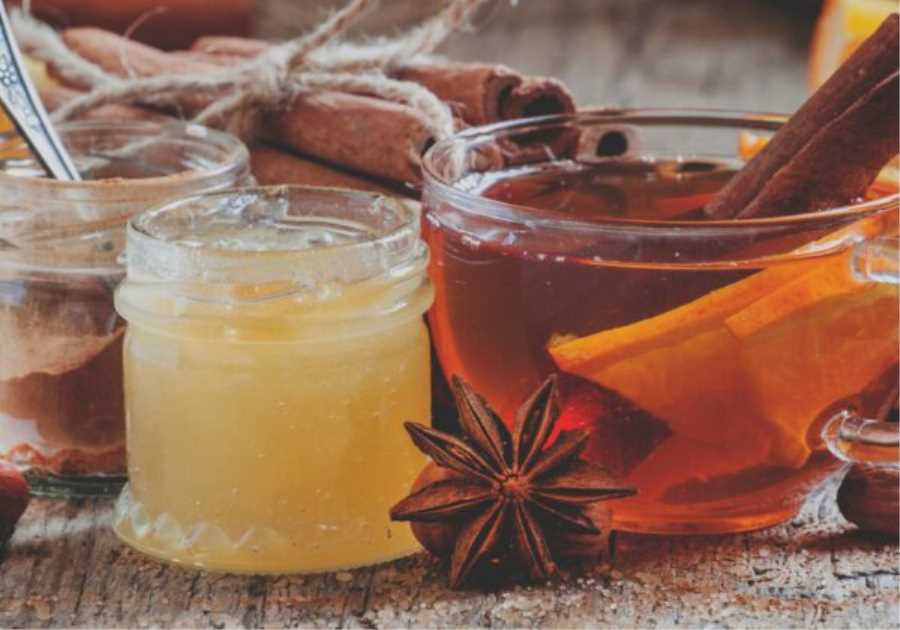
Have you ever held a gathering of gratitude to harvest ripe fruits, vegetables and herbs with family and friends, with their hearts full of gratitude for the garden’s abundance? Imagine candlelight flickering over rustic wooden tables decorated with bouquets of fresh-harvested blooms. Simple linens, earthenware mugs and plates, and freshly baked bread are all used to set the scene for an outdoor meal under the stars. In the midst of rustling leaves, gentle breezes and laughter, family and friends can strengthen their bonds. The communal act of sharing a meal under the stars is a touching tribute to all life's interconnectedness and a reminder of the bounty of the garden as a gift of the Earth.
My mother and I used to celebrate the Jewish harvest festival of Sukkot as a child, so it's likely that my affinity for garden altars is rooted in my childhood. A Sukkah, or temporary hut, is traditionally constructed during the Jewish festival of Sukkot. Families gather there to dine and celebrate under the open skies, cultivating a connection with tradition and nature. We would build a Sukkah every year for the Temple and decorate it with fresh wheat, flowers, fruits, and other decorations.
A garden altar can be created in a similar way and is often used as the focal point for equinox ceremonies. It serves as a tangible reminder that our spiritual practice and garden are deeply interwoven. Each element is significant, reflecting our connection to the Earth. With fallen leaves, dried flowers, abundant fruits, acorns and softly glowing candlelight, the altar transforms into a living tapestry that embodies the essence of each season and the meanings we give it. We make each item a personal expression of gratitude, reverence and appreciation as we arrange it. The altar is a symbol of the beauty of the season and a testimony to the sacred relationship between humans and nature.
The autumn equinox is a gentle reminder to start journaling your garden. You will love it. We weave a story that captures the changing seasons in a way that is both vivid and detailed. It is more than a mere record, it's a testament to the intimate relationship we have with our Earth. In its pages, we no longer observe our gardens passively and embrace our rightful role as active participants in life's endless cycle. I like to draw and write in mine. Sometimes, I press leaves and flowers. It's my private space.
We are part of a centuries-old monastic tradition as we carefully craft our garden journals. This tradition allows us to dream and plan for our future harvests. We etch our garden's journey through the seasons here, noting our victories, but also our challenges, and forming intentions that will guide our growing season. This sacred journal is a vessel that allows us to deepen our connection with the Earth. It's a powerful testament of our stewardship over this land.
By recording the journey of our garden through the seasons we become storytellers, and stewards to the land. We can draw inspiration from nature and capture fleeting moments of beauty. We capture our gardening journey in the pages of the garden journal, from the tender moment of planting seeds, to the triumphant harvest days. We record what flourished, what suffered, and what secrets the garden whispered to us.
Questions to ask yourself about
1. What visions and dreams do you wish to achieve in your garden journal as you contemplate the autumnal hues?
2. How can you guide your garden to its evolution as the changing season envelops it? Think of the way that the earth accepts the falling leaves.
3. What plants or blossoms in your garden are the storytellers, bringing you to reflect on their growth and resilience?
4. How does your relationship with the Earth grow as you tend your garden in the quiet of this season? What insights do you gain from these quiet moments?
5. How would you like to document your humble gardening role in your journal as your garden undergoes seasonal changes? You can write about anything that inspires you. What secrets do you cherish most in this season of autumnal magic from the heart of your garden?
This season, as it bathes the gardens in the golden glow of balance, always leaves me feeling a deep sense of gratitude. I am grateful for the harvest, the wisdom of the herbs, the rituals which nourish my soul and the timeless connection with the Earth, that we cultivate through each loving gesture. Our gardens are more than just earth plots; they are sacred landscapes for growth and transformation. As the seasons unfold, we weave new chapters in the evolving story of life, illustrating growth, beauty and resilience. How will you celebrate the harvest season this year?
I would love to know what you think!
Have a beautiful fall!
Photo Credits1) Tithoniasp. strong>Photo Credits: /strong>1) em>Tithonia -/em>sp. (B.S.G. Autumn dinner party food (B.S.G./Canva); Autumnal harvest alters (B.S.G. Autumnal harvest alter (B.S.G. Flowers (C. Moore).
Beth Schreibman Gehring loves all things beautiful, magical, fragrant, green, delicious and growing. She is also a lifestyle blog, storyteller and an occasional wedding and event planner. Beth uses a constantly changing seasonal palette of food, love and life to help her clients and readers fall in love with their own lives. Beth lives with Jim, her 40-year-old husband, and has 17 sets of vintage plates, hundreds of books and a collection of animals, including two cats, a dog, an old horse, a garden of fruit, vegetables and rambling roses. She also owns too many vintage perfume bottles and will soon have a flock heirloom chicks. She has written The Senses, Make Everyday a Candles and Wine Day, and is working on A Garden of Roses for Beauty Flavor and Fragrance. Join her in her gardens at https://bethschreibmangehring.substack.com/, or contact her at [email protected].
By: The Herb Society of AmericaTitle: The Autumnal Equinox: Connecting through Time, Place, and Personal Reflection
Sourced From: herbsocietyblog.wordpress.com/2023/09/18/the-autumnal-equinox-connecting-through-time-place-and-personal-reflection/
Published Date: Mon, 18 Sep 2023 07:30:00 +0000
Frequently Asked Questions
Which herbs are healing herbs?
If you look for healing herbs, you won’t find them in the supermarket. There isn’t any place to buy them. There is no store selling them.
You haven’t been able to find healing herbs because they aren’t sold anywhere. They are grown right here in our backyard.
Healing herbs are plants that grow naturally in North America. Like many common household items, these herbs grow throughout the United States and Canada.
These herbs treat minor ailments such as colds, flu, sore throats, coughs, and headaches. Many of these herbs have been used for centuries to help heal wounds and promote overall health.
Of course, when we say “heal,” we mean more than simply treating an illness. We also refer to the ability of these herbs to restore balance and harmony within ourselves and the world around us.
For example, the chamomile herb helps relieve stress. This means that if you feel stressed out, you may benefit from taking chamomile tea. Chamomile tea has been shown to reduce anxiety and nervous tension.
In addition, chamomile tea has been proven effective in relieving insomnia.
Chamomile tea has many other benefits, including its ability to ease stomach aches and gas pains and even improve digestion.
Another popular healing herb is Echinacea. Echinacea is known for helping to fight infections and boosting the immune system.
Echinacea is commonly taken internally and externally to fight infection, prevent viral diseases, and boost immunity. It is safe to use during pregnancy and lactation.
Echinacea also helps reduce muscle pain and inflammation. You can take echinacea orally or topically (as an ointment).
This herb is available in both liquid and capsule form. Liquid echinacea is often mixed with honey and lemon juice. The mixture is then strained and consumed.
Capsules are usually made of freeze-dried plant material. They contain standardized amounts of active ingredients. To use capsules, swallow one or two a day.
The third type of herbal remedy is called tincture. Tinctures are alcoholic extracts of herbs. They are typically used to treat internal problems. Tinctures are generally diluted before being ingested.
Tinctures can be taken orally or applied topically. For oral consumption, dilute tinctures with water. Some people prefer to mix tinctures with food.
Tinctures are easy to prepare. Put about one tablespoon of dried herb into a bottle containing enough alcohol to cover the herb completely. Allow the mixture to sit for several weeks. Then strain and consume.
You may want to try some of these natural remedies to see which ones work best.
Is it okay to use dried herbs instead of fresh ones?
It is best to pick up fresh herbs whenever possible when using herbs.
Although dried herbs are convenient, they don’t provide the same benefits as fresh herbs.
Fresh herbs contain essential oils that give your food a unique flavor. These oils help preserve the nutrients within the herb.
Dried herbs lose all their flavor after drying, so they cannot replace fresh herbs.
You should only use dried herbs if you absolutely must. Otherwise, you should get your fresh herbs from the market.
What spice is good for inflammation?
Turmeric is one spice that can be beneficial for reducing inflammation. It contains the active ingredient curcumin, which has been studied extensively and shown to have anti-inflammatory effects on the body. Other spices like ginger, cinnamon, cayenne pepper, garlic, and cardamom may also reduce inflammation in the body. Adding these spices to your diet can help reduce inflammation and promote overall health.
Another spice that can be used to reduce inflammation is black pepper. The active ingredient in black pepper, piperine, has been studied and found to have anti-inflammatory properties. It may also help reduce pain associated with inflammation. Additionally, the spice contains antioxidants which are beneficial for overall health.
Adding black pepper to your diet may help reduce inflammation and promote overall health. Be sure to talk with your doctor before adding any spice to your diet, as some spices may interact with your medications or supplements. Eating various healthy foods, including spices with anti-inflammatory benefits, can help keep your body balanced and reduce the risk of chronic inflammation-related illnesses.
In summary, adding spices to your diet can be beneficial for reducing inflammation and promoting overall health. Spices like turmeric, ginger, cinnamon, cayenne pepper, garlic, cardamom, and black pepper have all been studied for their potential anti-inflammatory effects.
Is eating raw basil good for you?
I'm sure everyone knows that fresh herbs are great for cooking but did you know that you could eat them too? Raw, uncooked herbs are packed full of nutrients and vitamins that we normally have to cook.
They contain more antioxidants than any fruit or vegetable. And they also help our immune systems stay strong and healthy.
The best way to enjoy these delicious little green gems is to eat them raw from the garden. But there's nothing wrong with enjoying them cooked, either. They taste even better when sautéed in olive oil and served alongside pasta or rice.
There are lots of ways to incorporate raw herbs into recipes. Add them to salads, soups, sandwiches, wraps, omelets, stir-fries, and pesto.
Just make sure you wash them well first!
What are the disadvantages of using herbs?
Herbs are a great way to keep your body healthy because they contain vitamins, minerals, antioxidants, enzymes, amino acids, phytonutrients, polyphenols, flavonoids, terpenes, essential oils, carotenoids, sterols, and sterolins. Some even contain cannabinoids.
But there are also lots of side effects associated with herbal remedies. For example, taking too much herb could cause liver damage or even death. Herbal supplements may interact with prescription drugs, which means that they might affect how well the drug works.
Some herbs can interfere with blood clotting, while others may increase bleeding when taken with anticoagulants (blood thinners).
There are also safety concerns for pregnant women and children.
The bottom line is that herbs aren't safe for everyone. If you're considering trying them out, do your homework. Look up each product's side effects and warnings and read reviews online.
Should You Use Herbs and Spices for Brain Health?
Herbs and spices have been used for centuries to improve brain health. Research shows that these natural remedies may help prevent dementia and Alzheimer's. Some herbs may even boost memory.
However, no scientific evidence proves that eating an herb-rich diet can keep your mind sharp. When it comes to improving cognitive function, there are more effective ways to do it.
One study found that older adults who took 1000 mg of vitamin B6 daily had fewer mental lapses than those taking placebo pills. Another study showed that drinking coffee could increase blood flow to the brain. Other studies suggest that exercise, socialization, and sleep improve brain health.
The bottom line is that herbs and spices probably won't make much difference to your overall health. But they might give you extra energy and focus, which can come in handy during the day.
What are healing flowers?
Healing flowers are plants that promote peace and tranquillity. They help us unwind after a stressful day and make us feel more relaxed.
They also help us connect to our inner selves and reconnect with nature.
These beautiful blooms are used for meditation, prayer, and contemplation.
We call hundreds of varieties of flowering plants ‘healing’ because they provide such a fantastic experience.
This list includes roses, lilies, irises, daffodils, peonies, tulips, hyacinths, and many more.
But there are two species that I find particularly special. These are the Geranium and Lilium.
Geraniums are very easy to grow and come in various colors. Liliums are also known as lily-of-the-valley, which means 'lily' and 'valley.' Both of these species are popular garden flowers.
Healing flowers are often found growing near water. They are said to bring peace and calmness to those who meditate with them.
In ancient times, people would light candles in flower petals to symbolize the sun. This way, they could honor the sun without needing to go outdoors.
Some say that when you look at these flowers, you may see angels dancing.
Statistics
- The herbs market is highly competitive, with over 1,000 herb suppliers and over 15,000 herbs products available in the United States alone.
- Studies have shown that cinnamon can lower fasting blood sugars by 10-29% in diabetic patients, which is a significant amount (9Trusted Source10Trusted (healthline.com)
External Links
[TAG28]
- Ashwagandha | Memorial Sloan Kettering Cancer Center
- Grape Seed | Memorial Sloan Kettering Cancer Center
[TAG31]
[TAG33]
- Antioxidant capacity of 26 spice extracts and characterization of their phenolic constituents - PubMed
- Cinnamon: A Multifaceted Medicinal Plant - PMC
[TAG36]
How To
What to look for in herbs?
Herbs contain natural compounds that may help treat various conditions. In addition, herbal remedies may provide relief when used along with conventional treatments.
Herbal remedies include teas, capsules, tablets, ointments, creams, lotions, oils, and topical applications. Some of these products are meant to be taken internally, while others are applied externally.
The most common uses of herbal remedies include relieving minor aches and pains, treating cold symptoms, reducing fever, controlling coughs and sore throats, easing digestion problems, soothing skin irritations, alleviating menstrual cramps, and providing general health benefits.
When buying herbs, look for the following:
- Freshly picked plants. Avoid dried herbs unless they've been stored in a cool place. If possible, buy herbs directly from farmers' markets.
- Pure extracts. These are made by extracting the active ingredients from herbs using alcohol or water. Look for 100% pure extractions.
- Certified organic herbs. Organic herbs must meet strict standards set forth by the USDA.
- Natural flavors. Many herbs have strong scents that can overwhelm other foods. Adding flavorings such as vanilla, almond, or orange helps mask their smell.
- Potency. The amount of active ingredient per unit weight varies depending on the type of herb.
- Packaging. When purchasing herbs, check the packaging to ensure that it's clean and free of chemicals.
Resources:
 |
[TAG38]0:00 - Introduction 0:30 - Calamities blamed on HAARP 1:11 - World leaders on conspiracy bandwagon 2:07 - What is HAARP? 2:48 - HAARP's response on |
 |
[TAG39]Harvesting Honeysuckle today as she is another healing plant to gather for winter ailments.This is just one of my current garden jobs - along with many others. |
 |
[TAG40]discord: medicinals #6666 #wizard101 #awesomethesauce #discussion #wizard101pvp #kingsisle #gamigo #pvp #gaming #lifepvp |
 |
[TAG41]Kend Işleri ♧ Village Affairs Herb's and Chicken Stew Recipe Cooked in a Rainy Day in Beautiful Village ♧ IRAN Village Cooking Herbs Stew Recipe Cooking |
 |
[TAG42]Check out Www.freeheirloomseeds.org Click and grow |
 |
[TAG43]Learn herbs from respected professional herbalists offering world-class herbalist training. The NEW Professional Herbalist Course includes courses on over 600 |
 |
[TAG44]mary wishes you a peaceful and happy new day. today mary introduces to you a special fruit , it has a characteristic red color when it is almost ripe . in my |
 |
[TAG45]Deep explanation of Neuro Health Trado/ Herbal Medicine |
 |
[TAG46]Eugenia Cooney’s response to Of Herbs and Altars video |
 |
[TAG47]How to grow in the garden and container gardening. A walk through all the different set ups and methods to grow a vegetable garden to grow food all year. In |
 |
[TAG48]In this video I share with you my TOP herb books that are a must have on every herbalist's shelf! #herbs #herbalism #herbalist #homsteadherbalist #herbbooks |
 |
[TAG49]Find out more about herbs and how to use them |
 |
[TAG50]Weight loss can be a great way to manage your overall health, especially if you want to reduce your risk ... Read more |
 |
[TAG51]Have you ever wondered how to become an herbalist? Herbalism is the art and science of using herbs for health. ... Read more |
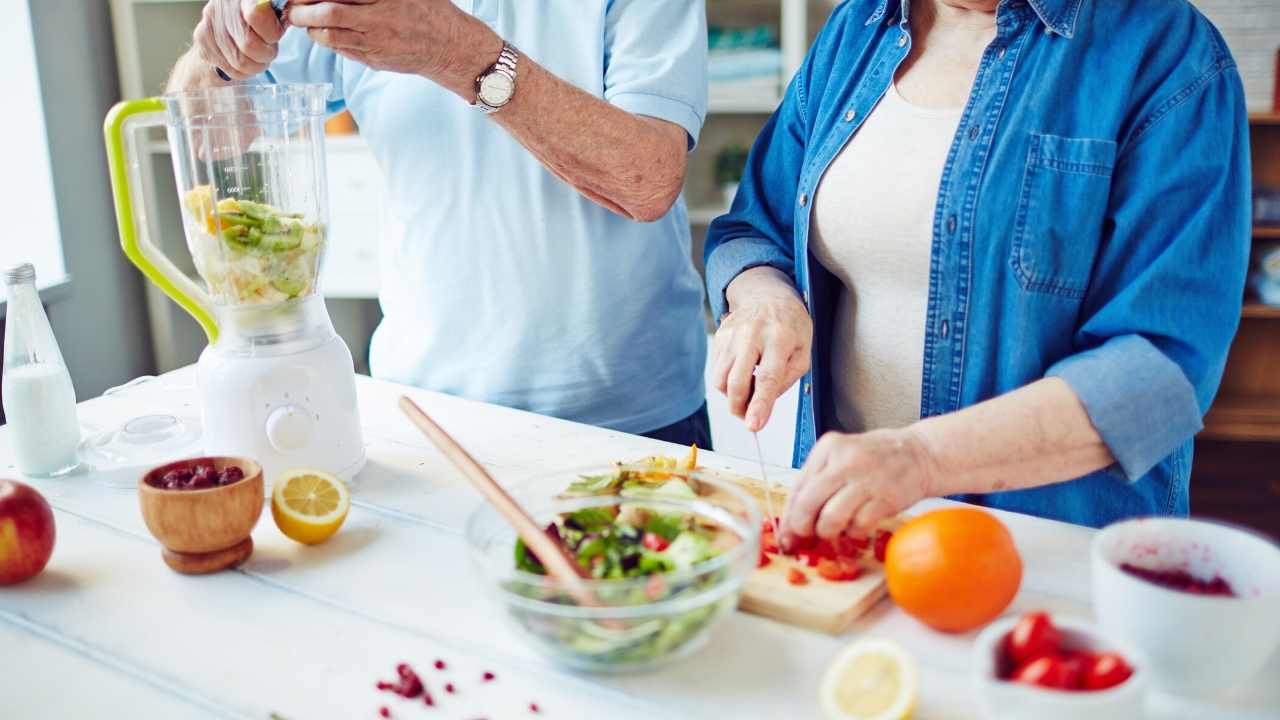 |
[TAG52]In this episode, you’ll learn all about holy basil benefits for your heart, immune system, brain health and so much more. And don't miss my new ebook! |
 |
[TAG53]Many people know of cinnamon primarily for culinary uses, but it also has potential health benefits, such as blood sugar ... Read more |
 |
[TAG54]Raspberry leaf has a long traditional use in women’s health. In this article, we will discuss the health benefits of ... Read more |
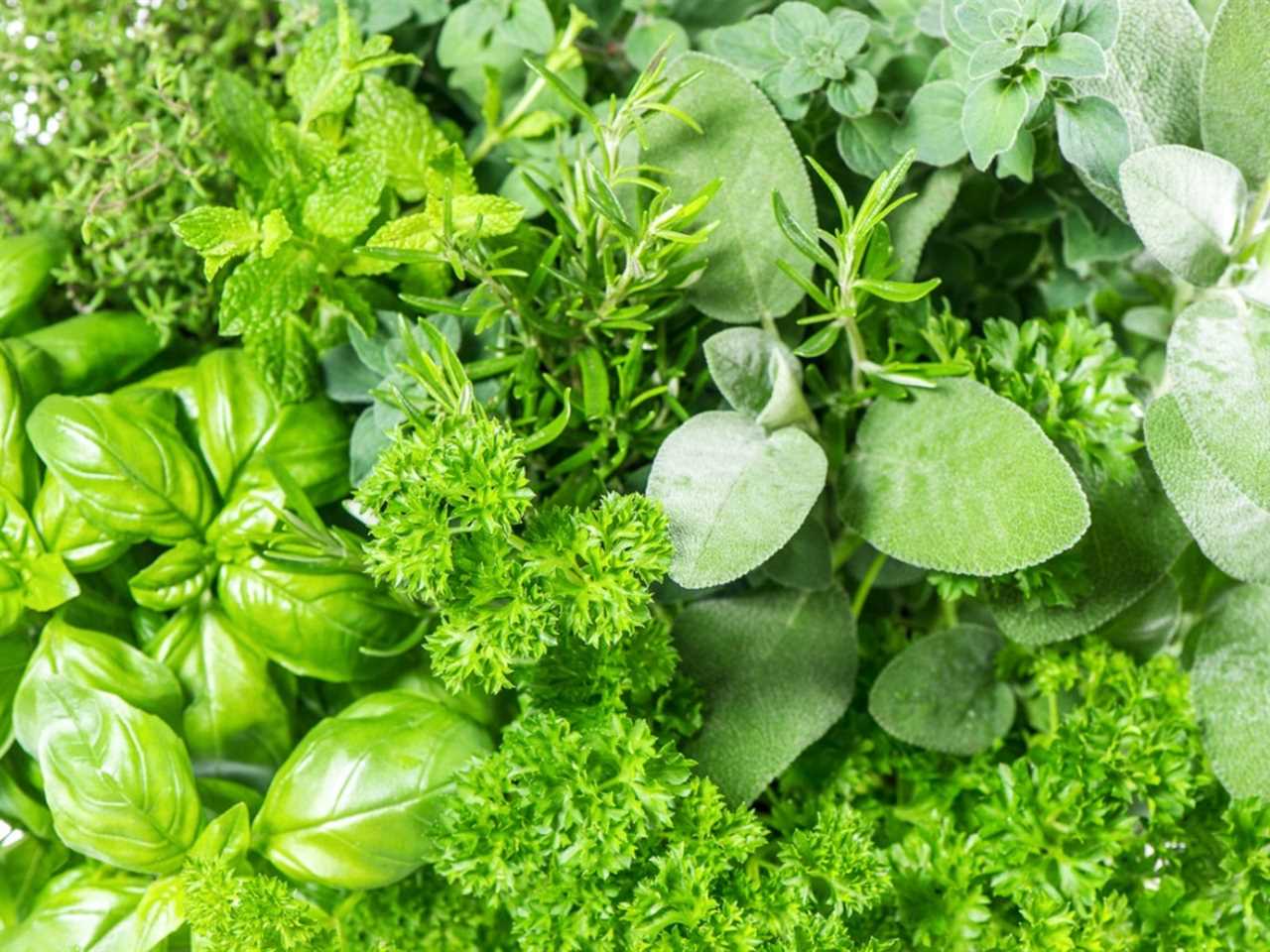 |
[TAG55]Like life, tea is what you make of it and The Cup of Life helps individuals enjoy tea in more than one way. Join me on my tea adventures through my blog! |
 |
[TAG56]Have you considered exploring herbalism but aren’t sure where to start? Although herbalism is still gaining traction in the US, ... Read more |
 |
[TAG57]The gifts of bee balm include promoting digestion, helping you recover from colds and the flu, fighting fungal and yeast infections… and many more! |
 |
[TAG58]Find out how to make a marshmallow root tea recipe for the best marshmallow root benefits and experience one of our most healing and soothing medicinal herbs! |
|
[TAG59]Reach for chamomile tea to soothe an upset tummy, to relieve stress and tension, and even to promote sleep! + How to avoid unwanted chamomile tea side effects |
 |
[TAG60]Join me in this new episode as I’m sharing my top 6 chamomile plant benefits PLUS I’m sharing a completely underrated remedy: a chamomile oil recipe. |
 |
[TAG61]A tea assessment platform that rates teas based on objective quality markers and a sensory evaluation resulting in a list of the best teas produced each year. |