.png)
Our aim goes far beyond delving into recipes and teaching culinary techniques; we intend to promote sustainable eating as an essential part of preserving humans’ relationship with nature. As such, we invite anyone who shares this same conviction or has a secret family recipe they would like to share with the rest of us to visit us online or contact us at [email protected] for all collaborations and submissions. Let’s show appreciation for those that dedicate their lives using natural deliciousness to establish meaningful human bonds through cuisine!
For now, love yourself and enjoy this one ...
By Peggy Riccio
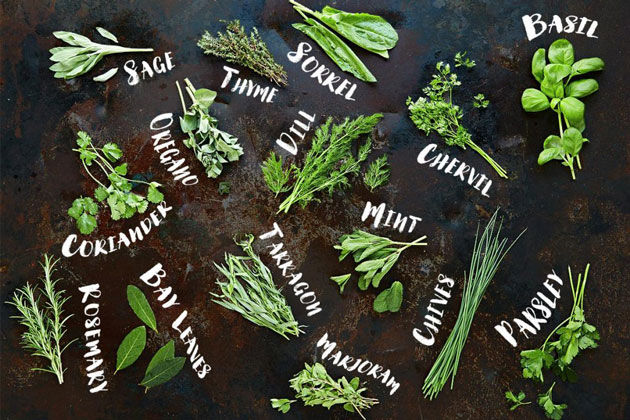
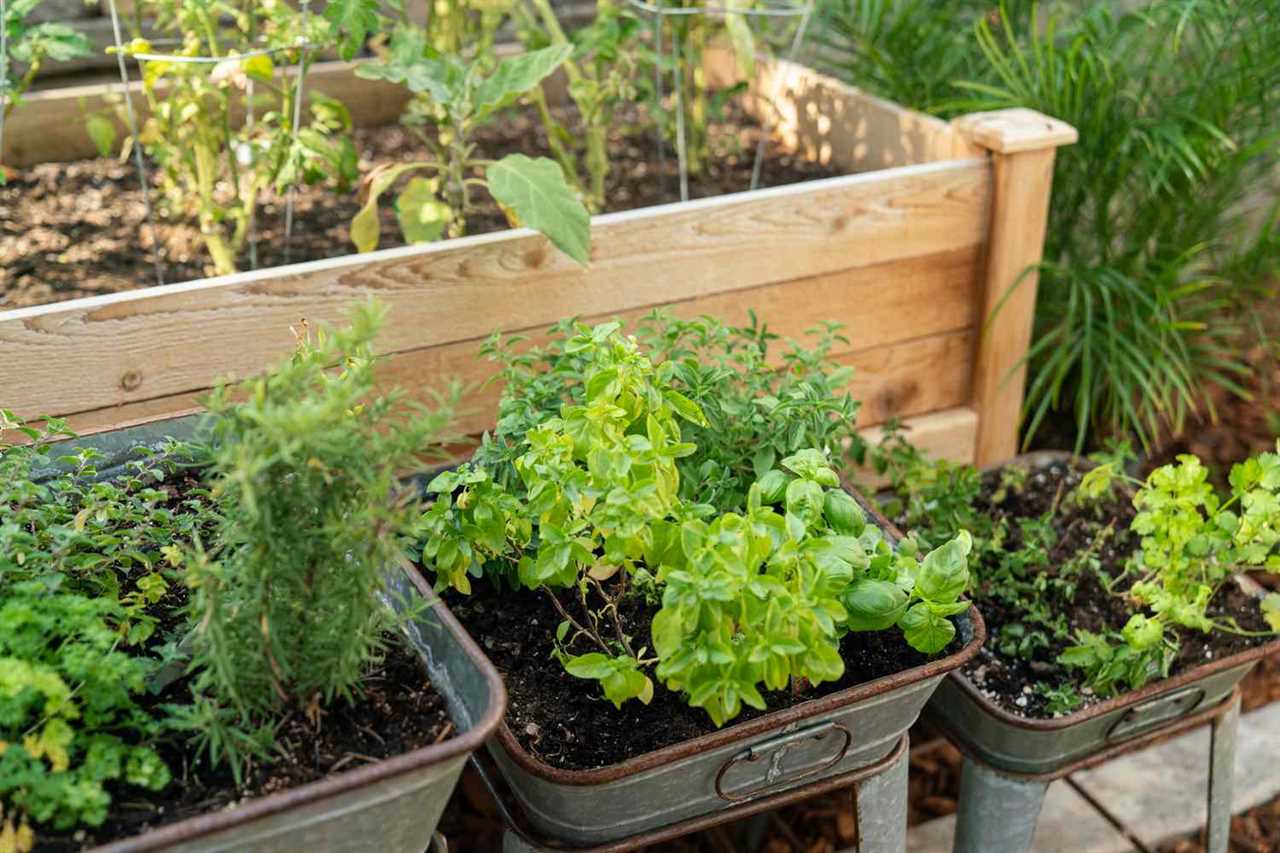
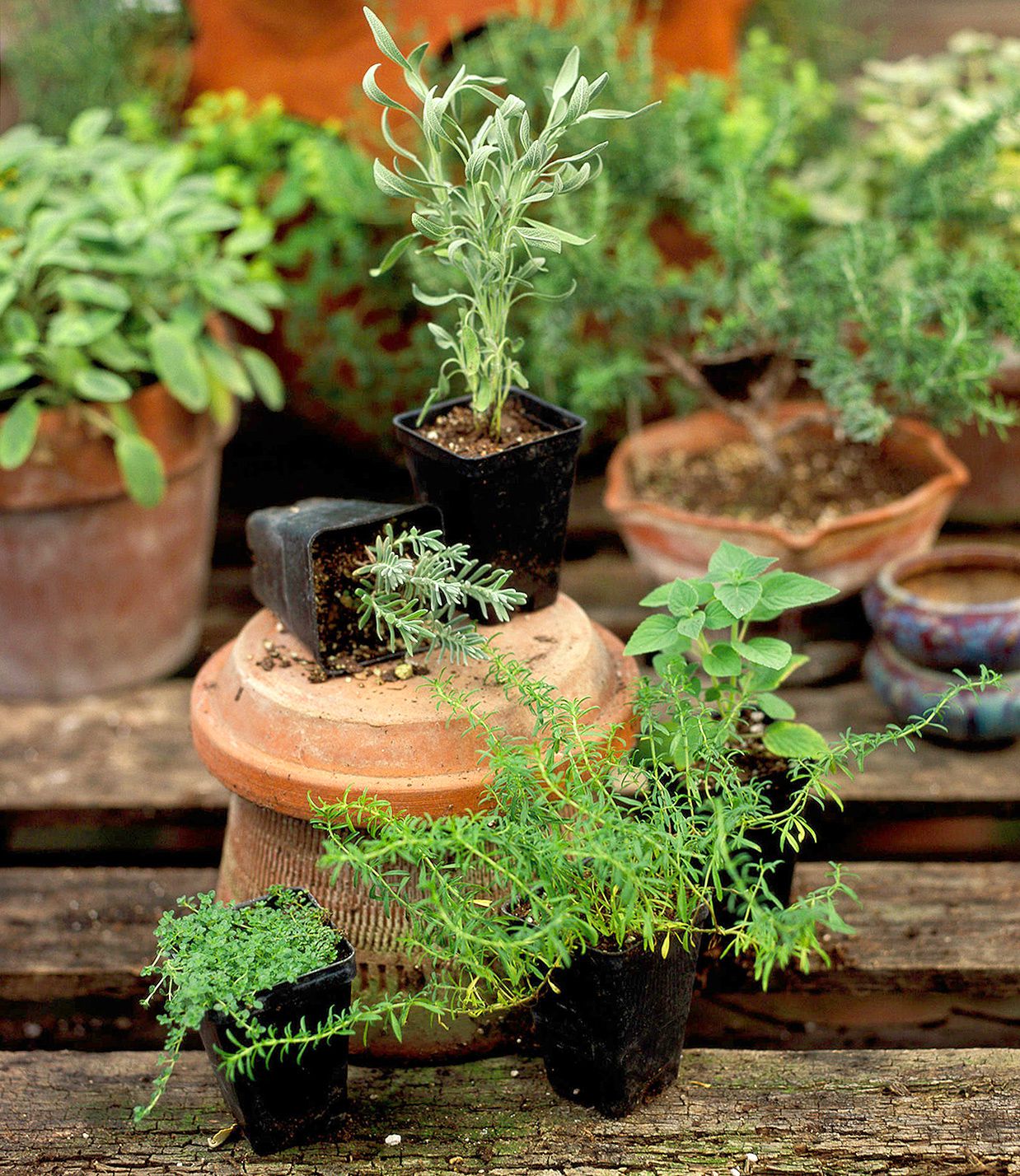
It's great to be able pick fresh herbs from the garden whenever I want them. Yesterday I made a ham and beans stew in the slow cooker. I wanted to add some thyme, so I cut a few sprigs of thyme from the plant growing outside my house. I took a look around and cut off more herbs, including cutting celery and oregano. These perennial herbs, except for cutting celery should be found in every garden. You can tuck them in your ornamental beds just like you would any other perennial. You can buy the plants in the spring from a nursery, or ask a friend to give you a cutting. You can have them all year round in your garden. Nothing will bother them. Not even deer.
Cutting Celery
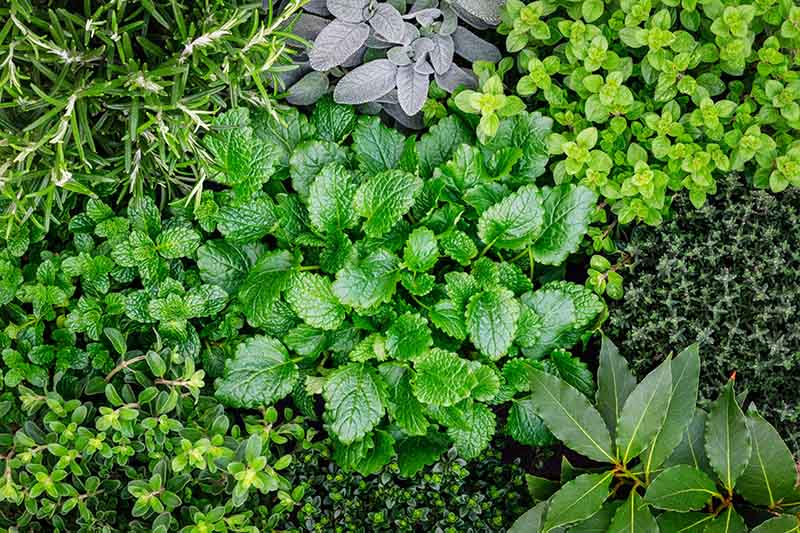
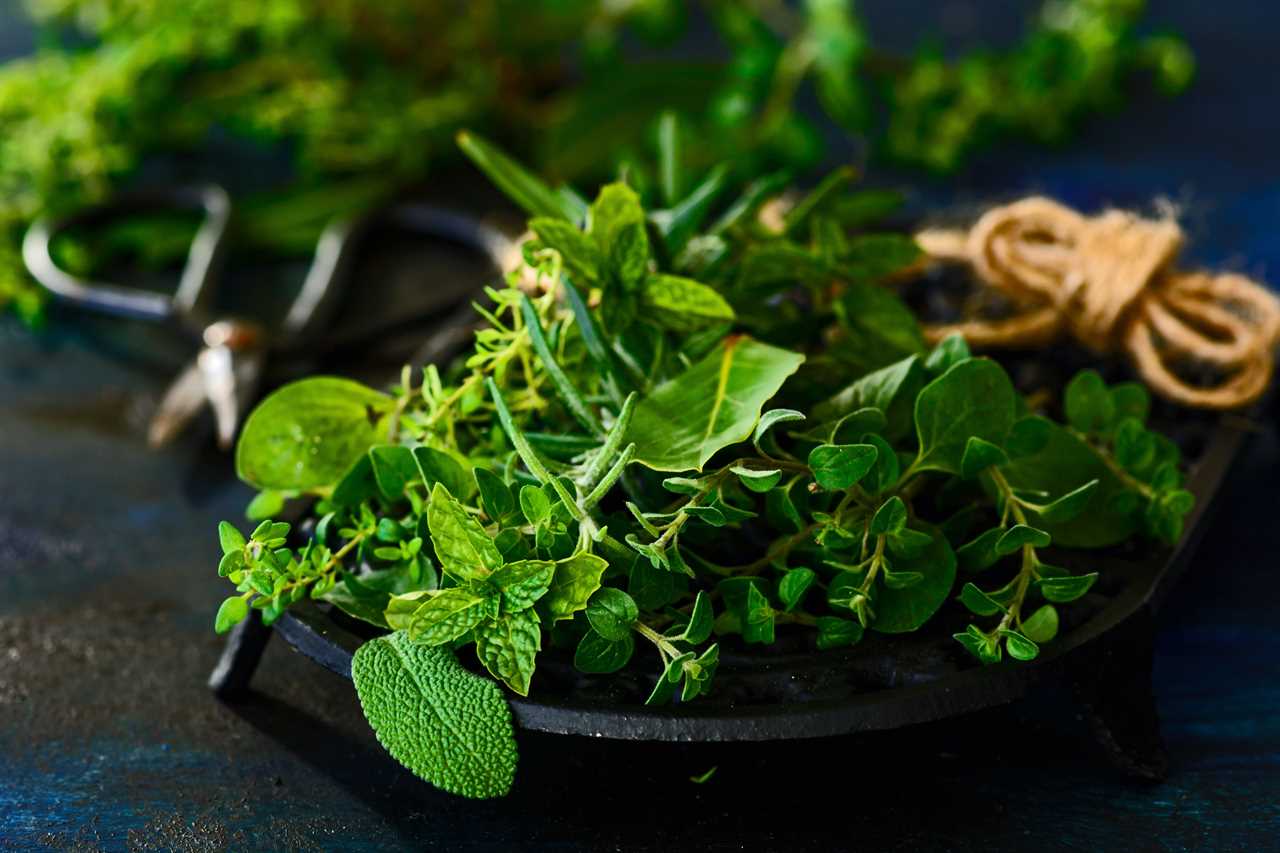
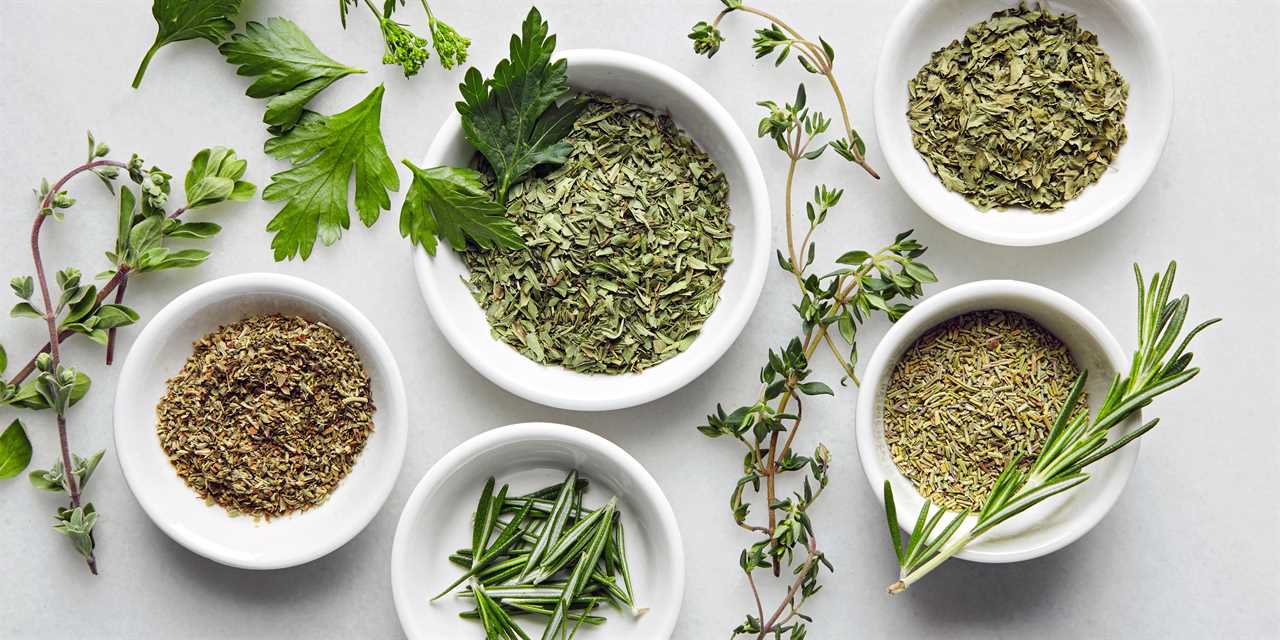
The cutting celery, from a botanical perspective, is a biennial. The first year, it focuses its energy on the foliage. Next year, the plant will flower and set seed. In my Zone 7 Garden, I can harvest it at any time. It acts as a perennial. It is probably because the seeds fall, germinate, and produce new plants every year. I grow it at the same place every year, in the shade of a large tree with a small stream running through it after rain. The celery gets enough moisture from this. The plant has thinner stems and is smaller than the stalk celery you buy in stores (it's the plant in the middle of the photo). It tastes like stalk celery, but with a spicy bite. You can use it fresh in salads, sandwiches or in a sautéed version with carrots and onions, as I did in the bean stew.
Theme
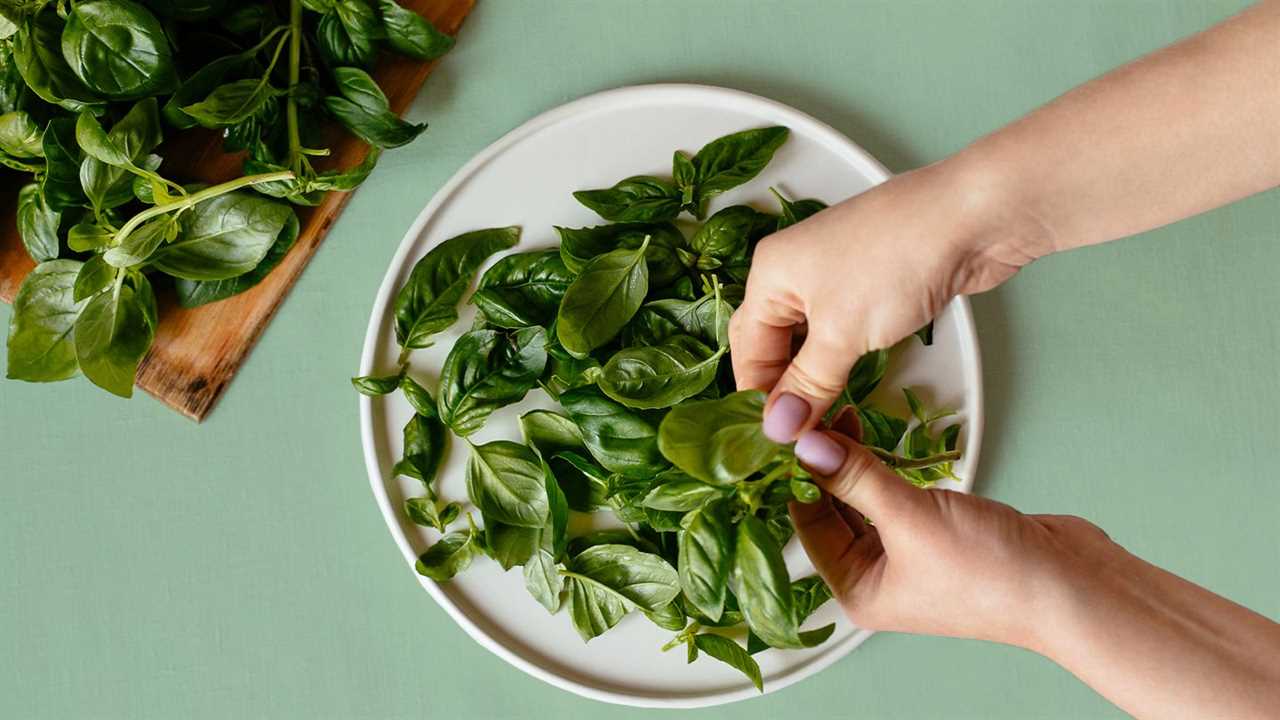
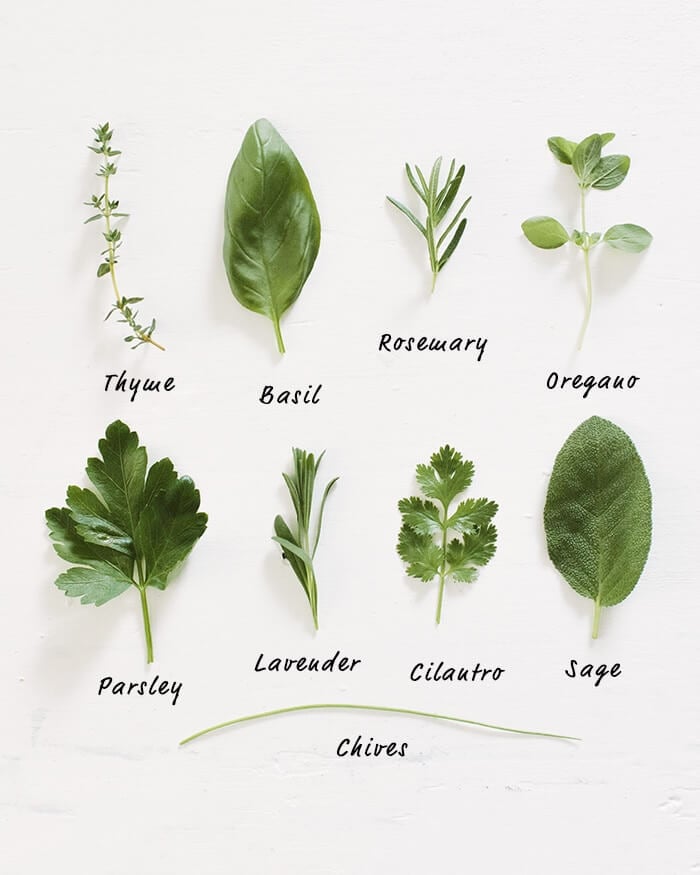
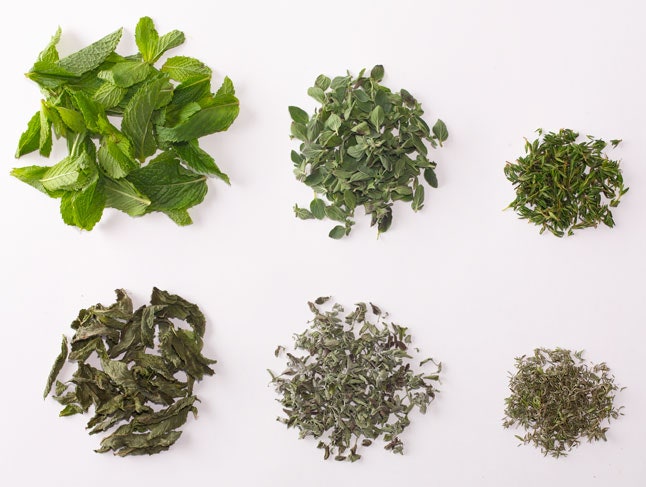
Thyme, a perennial shrub (upper left quadrant of the bowl), has very small leaves. The plant is only six inches high, which makes it an excellent groundcover. It is great to have because the thin, wiry stems easily root. You can cut them and then root them in spring in containers to use with summer annuals to create a "spiller effect". Culinary Thyme stays green and aboveground all winter. You can harvest it and use it in your kitchen at any time. Thyme comes in a variety of colors and flavors, including coconut, lemon, spicy orange, and variegated thymes. Thyme likes full sunlight and soil that drains well. Leaves can be dried or used fresh.
Oregano
Oregano (in the bottom of the bowl) is a perennial herbaceous plant. It blooms, grows to about one foot high, and dies in the fall. Our mild winters usually mean that the leaves are always green at the base. Early in the spring, I remove all the debris and cut off the dead flower stalks to allow new growth. Mine is located in full sunlight and has well-drained ground. Oregano can be used in the kitchen as well as for its flowers. The small flowers attract pollinators and beneficial insects. We use dried or fresh leaves for bean stew, pizza sauce, pasta, stuffing, and poultry rub.
Sage
Sage is a woody bush that grows between one and two feet high. Salvia officinalis has grey-green leaves and is the only type of sage that can be used for cooking. Sage likes to grow in full sun on well-drained, arid soil. Fresh or dried leaves can be added to many dishes, including poultry rub, sausages, root vegetables, and stuffing. Since they are strong, you can only cut a few leaves at a time.
Rosemary
The 'Arp" rosemary plant is in full sunlight, on the south side of my house with well-drained soil. It grows so fast that I have to trim it every year to maintain its proportions with the rest of my front garden. The purple/blue rosemary flowers bloom in the cooler months. You don't need to use many leaves because they are so tasty. They can be dried or used fresh. It is easy to grow this plant by cuttings and layering. Rosemary can be used in many ways. The stems and branches, as well as its flowers and foliage, are all useful. Use the branches to line a plate and place a roast or drink on top. Leaves can be added to pasta sauces, breads such as focaccias, roasted potatoes and poultry rub.
When you are planning your garden this year, remember to include perennial herbs to add flavor all year long.
Peggy Riccio owns pegplant.com, a website that provides gardening information in the Washington, DC metro area. She is also the president of the Potomac Unit, Herb Society of America, the regional director of GardenComm, a group of professional garden communicators, and the blogger for National Garden Clubs, Inc.
By: The Herb Society of AmericaTitle: Perennial Herbs for the Garden
Sourced From: herbsocietyblog.wordpress.com/2023/04/17/perennial-herbs-for-the-garden/
Published Date: Mon, 17 Apr 2023 09:00:00 +0000
Frequently Asked Questions
What herbs should you take daily?
Depending on your health and wellness needs, many herbs can be taken daily to help improve your overall health.
Popular herbs for daily consumption include ashwagandha, turmeric, ginger, holy basil, chamomile, lavender, peppermint, and cayenne pepper. Ashwagandha is an adaptogenic herb that can help the body resist stress and anxiety. Turmeric is known for its anti-inflammatory properties, while ginger has been shown to aid digestion and boost immunity. Holy basil may help with managing blood sugar levels, as well as providing a calming effect. Chamomile can promote relaxation, while lavender is used in aromatherapy for its calming properties. Peppermint can help aid digestion and reduce nausea, while cayenne pepper has antibacterial properties that may boost your immunity.
As always, you must consult your doctor before taking herbs daily to ensure they are safe for you and do not interact with any other medications or herbs you may be taking.
There is no shortage of information on what foods we should eat and how much exercise we should do. But when it comes to what supplements we should take, there is a dearth of knowledge.
This is because most of us aren’t sure which ones work or which are junk. So we go online and look up whatever we can find.
But often, these articles are written by companies trying to promote their products. Which means they're usually biased toward their product.
So instead of finding unbiased advice, we end up reading marketing hype.
This makes sense since marketers make more money selling stuff than doctors.
The medical industry isn’t even allowed to advertise directly to consumers anymore. The best way to learn about natural remedies is to read independent reviews.
This is where you'll find real users sharing their experiences with each supplement. These sites give you an honest opinion of whether or not a particular herb helps.
Users will often share their experience with a supplement after taking it. This gives you a good idea of its effectiveness and any side effects.
You can also check out forums dedicated to herbalism. Here you can ask questions and receive answers based on personal experience.
Of course, there are plenty of other ways to learn about herbs.
There are books, websites, blogs, videos, podcasts, and classes. All of them provide valuable information about natural remedies.
What is the difference between "regular" and smoked paprika powder?
Regular Paprika Powder (Piment d'Espelette) is an essential ingredient for our recipes. We use it for its intense flavor and color. It's also used as a spice and seasoning agent. Smoked Paprika Powder (Paprika Chorizo) adds a smoky taste and aroma to dishes. Both types of Paprika Powder come from Spain, where they grow the best peppers in the world.
Smoked Paprika Powder (Chorizo Paprika) is made from red peppers, which are dried slowly in special ovens. This gives them a rich flavor. They are then ground and mixed with salt, garlic, and spices.
Regular Paprika Powder (Espelette Paprika) is made by grinding green bell peppers without additives.
Which plant can heal wounds?
Plants are amazing creatures. They grow, they live, and they die. They make food, clean our air and water, and help keep us healthy. But plants also do more than that...they heal wounds.
Plants release molecules called phytochemicals when they are injured. These chemicals act as antioxidants, which protect cell membranes from damage and promote healing.
Phytochemicals found in plants include flavones (found in citrus fruits), terpenoids (present in mint leaves), and polyphenols (common in berries).
In addition to these protective compounds, plants contain proteins, vitamins, minerals, amino acids, fatty acids, and carbohydrates that support the body's natural processes of healing.
The best way to use plants to heal wounds is to consume them directly. However, there are ways to apply the power of plants to treat wounds without eating them.
First, soak a cotton ball in an extract from the St John's Wort herb. This product contains salicylic acid, which helps reduce inflammation.
Next, place the soaked cotton ball on the wound. Avoid applying the herb directly to open cuts, burns, or puncture wounds. If you feel any burning sensation, remove the herb immediately.
You may also find that placing a few drops of essential oil on the affected area promotes faster healing. Lavender essential oil reduces swelling and speed recovery; rosemary stimulates blood flow and increases circulation; peppermint relieves headaches and muscle aches.
If you want to try your hand at growing some of your medicinal herbs, here are some tips:
- Start with small pots, so you don't end up with too much of one particular type of plant.
- Grow several different types of herbs together. The same goes for flowers and vegetables. Mixing it up will ensure you get all the benefits of each plant.
- Use organic fertilizer if you're growing your herbs indoors. Non-organic fertilizers may be harmful to your health.
- Harvest regularly. You'll enjoy the freshness of homegrown herbs, but leave enough time between harvests to allow the soil to replenish itself.
- Be careful not to overwater your plants. Overly wet soil encourages mold growth, which isn't suitable for your herbs.
- Wash your hands after handling your herbs. You don't want to risk spreading bacteria onto your plants!
Statistics
- The herbs market is highly competitive, with over 1,000 herb suppliers and over 15,000 herbs products available in the United States alone.
- Studies have shown that cinnamon can lower fasting blood sugars by 10-29% in diabetic patients, which is a significant amount (9Trusted Source10Trusted (healthline.com)
External Links
mskcc.org
- Ashwagandha | Memorial Sloan Kettering Cancer Center
- Grape Seed | Memorial Sloan Kettering Cancer Center
doi.org
amazon.com
sciencedirect.com
- Peppermint oil (Mintoil®) in the treatment of irritable bowel syndrome: A prospective, double-blind placebo-controlled randomized trial
- Curcumin reverses the effects of chronic stress on behavior, the HPA axis, BDNF expression, and phosphorylation of CREB
How To
How to use herbs safely?
Many people think that herbs should only be used under medical supervision because they believe that some herbs are poisonous. However, this is not true.
Many herbs have long histories of safe use. For example, garlic has been used for thousands of years to fight infections. It's also been shown to lower cholesterol levels and reduce high blood pressure.
However, if you're pregnant or nursing, avoid taking certain herbs. You should also avoid them if you suffer from allergies or sensitivities to herbs.
You can do several things to ensure you get the best results from your herbs and supplements. First, always read labels before consuming anything containing herbs or spices. Second, take the lowest dose recommended on the label. Third, don't use more than one supplement at any given time. Fourth, talk to your doctor about how to combine specific herbs and supplements. Finally, keep track of your consumption to know whether you need to adjust your dosage.
Resources:
 |
After Seeing This EVERYONE Will Start Growing This Medicinal Herb At Home!!!Don't believe me? Watch and find out why! |
 |
Herbs for Reducing Symptoms of Jet LagJet lag is a temporary sleep disorder that occurs when you travel across multiple time zones. It causes fatigue, irritability and other symptoms that |
 |
The meat is so tender, having this fresh herbs included in my cooking , enhance the flavourAt Belovedsaffron.com, we are passionate about spices, herbs, recipes and organic eating. We are on a mission to bring you awareness about flavours.. |
 |
Plants you can grow from Kitchen Spices | Ep 1 | Grow with meAt Belovedsaffron.com, we believe that the key to good food and healthy eating is the proper use of spices, herbs, and other fresh ingredients. We.. |
 |
Culinary Tutorials by Chef Andy - HERBS AND SPICESAt Belovedsaffron.com, we are passionate about spices, herbs, good food and organic eating. Our mission is to bring awareness about the different.. |
|
How To Cure Rheumatoid Arthritis and Joint Pain - 5 SIMPLE STEPS THAT WORKWelcome to Belovedsaffron.com, where we embrace everything related to spices, herbs, nutritious food, and organic eating! We are not professional.. |
 |
Medicinal Herbs for your gardenAt Belovedsaffron.com, we are dedicated to exploring the amazing world of spices and herbs, encouraging sustainable eating practices and sharing.. |
|
How to Start a Garden In Just 60 MinutesAt Belovedsaffron.com, we are passionate about spices, herbs, recipes and organic eating and on a mission to bring you awareness about flavours from.. |
 |
7 Medicinal Herbs for Urban GardensElevating the everyday is our mission. At Belovedsaffron.com, we think the world deserves more than conventional cuisines — and more than take-out.. |
|
Herbs for Improving Bone Health and Reducing OsteoporosisMedications can help strengthen and heal bones but there are also several herbs that you can incorporate into your daily diet that can improve bone.. |
 |
Join 10,000 Students Who Have Learned Herbs with Michael and Lesley Tierra - East West School of Planetary HerbologyLearn herbs from respected professional herbalists offering world-class herbalist training. The NEW Professional Herbalist Course includes courses on over 600 |
|
Me vs Grandma Cooking Challenge | Kitchen Hacks and Tricks by PaRaRa ChallengeAt Belovedsaffron.com, we are passionate about spices, herbs, recipes and organic eating and on a mission to bring you awareness about flavours from.. |
|
Rabbit and Worm Composting / VlogWelcome to Belovedsaffron.com, where we are passionate about spices, herbs, recipes and organic eating! Here you will find a wide range of spices,.. |
 |
Me vs Grandma Cooking Challenge | Crazy Challenge by TeenTeam ChallengeWelcome to Belovedsaffron.com, where we are passionate about spices, herbs, recipes and organic eating! Here you will find a wide range of spices,.. |
 |
Mars Hydro Vs Medic Grow, Which is Better?At Belovedsaffron.com, we are passionate about spices, herbs, recipes and organic eating. It is our mission to bring awareness of flavors from around |
|
Two Popular Chinese Herbs Explained | Introduction to Traditional Chinese Medicinal HerbsDiscover the wonders of global cuisine at Belovedsaffron.com! Our mission is to bring you spices, herbs and organic food from all over the world,.. |
 |
Finding Lost Goats in the Mountains and Picking Herbs: Nomads of IRAN 2023Join us on a journey through the breathtaking mountains of Iran, where we follow the footsteps of the nomads and learn about their traditional way of life. In |
|
Herbalism - Back to BasicsWelcome to Belovedsaffron.com, where we are passionate about spices, herbs, recipes and organic eating! Here you will find a wide range of spices,.. |
|
Why You Should Grow Peppers In Your Small Space Garden or Container GardenAt Belovedsaffron.com, we believe that the key to good food and healthy eating is the proper use of spices, herbs, and other fresh ingredients. We.. |
|
Rosemary Gladstar's Science & Art of Herbalism Home Study CourseAt Belovedsaffron.com, we are passionate about spices, herbs, good food and organic eating. Our mission is to bring awareness about the different.. |
|
Making of Herbal Green Tea(vlog#97)At Belovedsaffron.com, we're passionate about flavours, cultures and cooking wisdom from around the world. We seek to bring you closer to sustainable |
 |
Home of HerbsFind out more about herbs and how to use them |
|
Top 9 Fast Growing Vegetables | SEED TO HARVEST IN 30 DAYSWelcome to BelovedSaffron.com, where we celebrate all the wonderful flavours of spices and herbs worldwide! We are not just chefs but food.. |
|
Harry Potter and the Philosopher's Stone (PS2) Full 100% WalkthroughAt Belovedsaffron.com, we combine our passion for spices, herbs and organic eating with a mission to deliver knowledge and flavors from around the.. |
 |
Venna feat JVCK JAMES - Sun, Moon & Herbs (Official Video)Venna feat Jvck James - Sun, Moon & Herbs Get my EP VENOLOGY here: https://bfan.link/venology Follow me here: Instagram: |
 |
P6ICK - HERB Ft.1STP6ICK - HERB Ft.1ST |
|
Grafting Pears, Plums, Cherries, Apples, and Peaches With PoppyLets graft and make a Frankenstein's monster apple tree. ______________________ Want to support the work we do by becoming a member? Check out our |
 |
Rebel Souljahz - Herb, Whiskey & Reggae (Official Music Video)Official music video by @RebelSouljahz performing Herb, Whiskey & Reggae Watch & hear more from Rebel Souljahz: https://youtube.com/playlist?list=PL […] |
 |
A RAW update from Urban Herbs.This is a very raw, unedited straight to camera update from Urban Herbs HQ. We wanted to share a few thoughts with you, the main one being huge grattitude for |
|
JAMAICAN HERBAL REMEDIES AND THEIR USESJamaican herbal remedies and their uses. This is a list of Jamaican herbs used to heal or treat many sickness and conditions. Thanks for watching |
|
Grow Unlimited Herbs for Free Using an Old PalletHerbs are a powerhouse of nutritious goodness, not to mention their flavor-boosting abilities. Every good garden deserves to have a herb store near their |
 |
The Cup of LifeLike life, tea is what you make of it and The Cup of Life helps individuals enjoy tea in more than one way. Join me on my tea adventures through my blog! |
 |
6 Herbs High in Niacin (Vitamin B3)Niacin is a naturally occurring nutrient known as vitamin B3. This vitamin supports and protects the nervous system, regulates blood ... Read more |
|
Apr 11, Blackberry with Maeg KeaneWhat if blackberry could teach you about boundaries and letting go of what’s not serving you? Join me and Meag Keane for an astrology-inspired perspective! |
 |
6 Herbs High in QuercetinQuercetin is a plant chemical that acts as an antioxidant in the body, reducing stress and protecting tissue from damage. ... Read more |
 |
4 Benefits of Senega: Dosage & SafetySenega is a medicinal herb that has been used for thousands of years throughout Asia. This article will look at ... Read more |
 |
6 Herbs High in AntioxidantsHerbs and spices are an excellent source of antioxidants. It’s important to consume antioxidants as they help to reduce the ... Read more |
 |
Apr 4, Stinging Nettle with Elise HigleyMeet Elise Higley from Oshala Farm and find out why I have so much respect for herb farmers! You'll also get Elise's recipe for Nettle Spring Tonic Vinegar |
 |
6 Herbs High in CalciumCalcium is an essential element that plays a role in bone health, muscle movement, and nerve function. It’s crucial to ... Read more |
 |
Mar 28, Calendula with Alex CrofootLet's hear Alex Crofoot talk about both new and familiar ways of working with this favorite (and very versatile!) plant: Calendula officinalis |
 |
Mar 21, Three Common Mistakes with HerbsJoin me in this new episode as I share my three most important mistakes with herbs. I’m also sharing tips and resources to help you avoid those same potholes. |
 |
Feb 14, How to Use Ground Ivy with Val AlcornIt’s always exciting to hear about a little-known herb with powerful medicinal action. Join this conversation about ground ivy with Val Alcorn! |
 |
Tony Gebely · Tea Epicure · Taste DifferentlyA tea assessment platform that rates teas based on objective quality markers and a sensory evaluation resulting in a list of the best teas produced each year. |