.png)
Saffron is our love affair; a culinary crescendo that evokes a warmth of its own. But cooking is so much more than a single ingredient — it’s also about respect. It’s about respecting people from different cultures who dedicate their lives to creating something extraordinary with every dish they serve; family meals or five-star restaurants alike.
And that’s why we’re inviting everyone to join us – to share their recipes, explore new flavors and be part of something special. We know everyone has something delicious to offer!
For now, love yourself and enjoy this one ...
Jekka created her Herbetum in 2013 for her collection of over 400 culinary and medicinal herbs. She wanted to inspire and educate today's visitors and preserve the history, culinary, and medicinal uses of herbs for future generations. Jekka's vision is being realized by Jekka's Herb Garden, Jekka's Herb Farm, South Gloucestershire. The garden was slowly becoming a reality for those who visited us in 2022 on an open day or masterclass. Its progress can be seen in Jekka’s Herb Garden Timeline .
Jekka's Herb Garden is built around two interconnected circular beds that mimic the infinity sign. This allows visitors to either wander the herb garden in peace and contemplation, or, as they are constantly being told, become inspired by the variety and medicinal uses of the herbs. Read more about Jekka’s Herb Garden at the main page.
In the eyes of the infinity symbol, each of these rectangular beds is home to a large, eight-petalled flower or an oval bed. These herb petals are used to create small herb gardens that visitors can use to get ideas and inspiration to plant in their own gardens.
Gravel gardens are found around the petals and circular bed, displaying Jekka’s beautiful and extensive collection of Thymes & Oreganos.
Jekka's Herb Garden
Preparing the herbs petals for planting
The beds are covered with steel edging, and then filled with compost from the herb farm. This compost is peat-free and contains horticultural grit.
Jekka creates her designs on computer. Each herb is represented by a symbol approximately equal to its final spread. This prevents over-planting, which can lead to stressing the plants and ultimately the loss or removal of some. Jekka advises against creating the Chelsea Flower Show garden as soon as possible. These illusions can only be created over time.
Jekka's Herb Garden Design
Jekka's Herb Garden Design
After the beds have been prepared and filled, Jekka will lay out the garden. She will simply place the potted herbs in the appropriate positions and see if they work. This is a guideline and some herbs may need to be moved.
After carefully removing the herb from its pot, teasing any roots, plant it at the same depth that was in the container . Finally, water the herbs according to the season. Jekka's Blog contains her 6 best steps to "Grow on" your herbs .
These are some additional blogs and guides that may be helpful in the design and construction of your culinary herb garden:
- Jekka's guide on how to grow herbs
- Jekka's guide to being a sustainable herb gardener
- Jekka's Tips for Planting a Culinary Herb Gardens
- Jekka's Tips for Growing Herbs In Containers
- Marcus Wareing's Herb Kitchen Garden
-
Jekka's Riverstone culinary garden herb garden
Also, please visit the main page about Ekka's Herb Garden
Laying the plants for pollinator herb petals
Jekka's flower petals
Each petal can be used to create a garden. There are eight gardening themes available. The petals measure approximately elliptical in size, with a diameter of 5m x 2.5m for the larger circle and a width of 4m x 2m for smaller ones.
These are the 8 gardening themes:
- Annual
- Culinary
- Edible flowers
- Evergreen
- Herbal Infusion
- Medicinal
- Pollinators
- UK Native
Each herb is linked to its respective page on Jekkapedia, where you can find more information.
Annual herb petal
- Anethum graveolens (Dill)
- Anthriscus cefolium (Chervil).
- Amaranthus tricolor 'Red Army' (Red Amaranth)
- Borago deficinalis (Borage).
- Calendulaofficinalis (Pot Marigold).
- Coriandrum sativum (Coriander)
- Monarda Citriodora Lemon Bee Balm, Lemon Bergamot
- Ocimum basilicum (Sweet Basil)
- Salvia Viridis (Painted Sage and Red Topped Sage).
- Viiola tricolor Heartsease, Wild Pansy
From left to right: Chervil and Painted Sage
Culinary herb petal
- Achillea timeratum (English Maverick)
- Allium Tuberosum (Garlic Chives and Chinese Chives).
- Aloysia citrodora (Lemon Verbena)
- Artemisia dracunculus 'French' (French Tarragon)
- Foeniculum vulgare (Fennel)
- Levisticum Officinale Lovage
- Punica Granatum (Pomegranate and Carthaginian Apple)
- Petroselinum crispum (Parsley)
- Salvia Officinalis Sage, Common Sage
- Sanguisorba minor (Salad Burnet, Pimpernel)
From left to right: Sage
Petal of edible flowers
- Agastache Rugosa 'Golden Jubilee (Golden Agastache
- Allium Choenoprasum (Chives).
- Borago Officinalis 'Alba’ (White Borage).
- Calendulaofficinalis (Pot Marigold).
- Filipendula ulmaria (Meadowsweet)
- Hesperis Matronalis Sweet Rocket
- Primula vulgaris (Primrose)
- Salvia Officinalis Sage, Common Sage
- Salvia rosemarinus (Rosemary).
- Tropaeolum Majus 'Empresse of India' Nasturtium Empresse of India
From left to right: Sage and Borage
Evergreen herb petal
- Dianthus "Mrs Sinkins" (Clove pink Mrs Sinkins)
- Escallonia resinosa (Curry Scented Escallonia).
- Helichrysum italicum (Curry Plant)
- Luma chequen (Chillean Luma, Chilean Myrtle)
- Myrtus comunis 'Variegata(v) (Variegated myrtle
- Ozothamnus Hookeri (Kerosene bush)
- Salvia rosemarinus (Rosemary).
- Salvia Officinalis 'Purpurascens (Purple Sage).
- Santolina rosmarinifolia subsp rosmarinifolia (Green Lavender Cotton)
- Teucrium marum (Cat Thyme)
From left to right: Variegated Myrtle and Curry Scented Escallonia.
Herbal Infusion herb petal
- Aloysia citrodora (Lemon Verbena)
- Chamaemelum Nobile Chamomile, Roman Chamomile
- Foeniculum vulgare (Fennel)
- Melissa Officinalis (Lemon Balm).
- Mentha longifolia subsp. schimperi (Desert Mint)
- Micromeria fruticosa (Mediterranean Rock Mint)
- Monarda Didyma Bee Balm Bergamot and Red Bergamot
- Ocimum basilicum var. purpurascens "Red Shiraz" (Purple Basil).
- Origanum majorana (Sweet Marjoram, Knotted Marjoram)
- Salvia lavenderifolia (Narrow Leaved Sassa)
From left to right: Desert Mint , Lemon Verbena, and Roman Chamomile
Petal for medicinal herbs
- Artemisia absinthium (Wormwood)
- Echinacea pallida (Echinacea Coneflower)
- Filipendula ulmaria (Meadowsweet)
- Hyssopusofficinalis Hyssop, Blue Hyssop
- Inula helenium (Elecampane)
- Linum perenne (Flax, Linseed)
- Mentha pulegium 'Cunningham Mint' (Creeping Pennyroyal)
- Nepeta cataria (Catnep, Catnip)
- Origanum vulgare (Oregano)
- Tanacetum parthenium (Feverfew)
From left to right: Meadowsweet, St John's Wort and Flax
Petal of a UK native herb
- Achillea millefolium (Yarrow, Woundwort, Milfoil)
- Angelica archangelica (Angelica)
- Centaurea cyanus (Cornflower)
- Centranthus Ruber (Red Valerian).
- Cichorium Intybus (Chicory and Succory).
- Digitalis Purpurea Fairy Gloves, Foxgloves
- HTML3_ Echium vulgare Viper's Bugloss
- Fragaria Vesca Wild Strawberry
- Rumex Acetosa Sorel, Broad Leaved Sorrel
- Papaver Rhoeas Field Poppy, Common Poppy)
From left to right: Woad and Viper's Bugloss.
Petal of the pollinator herb
- Allium fistulosum (Welsh Onion, Japanese Leek)
- Cedronella canariensis (Balm of Gilead)
- Hyssopusofficinalis Hyssop, Blue Hyssop
- Isatis tinctoria (Woad)
- Inula helenium (Elecampane)
- Lepechina hatata (False Salavia, Pitcher Sage).
- Monarda Didyma Bee Balm Bergamot and Red Bergamot
- Nepeta cataria (Catnep, Catnip)
- Origanum vulgare (Oregano)
- Salvia Officinalis Sage, Common Sage
From left to right: Lavender and Oregano.
Jekka's gravel herb gardens
Between the flowers and Jekka’s Herb Garden's framing is a gravel yard, which is planted Jekka’s Thymes and Oreganos featuring feature herbs. This list will help you create your own thyme lawn. We get asked a lot about making them.
Thymes
- Thymus of 'Dillington’ (Dillington Thyme).
- Thymus "Fragrantissimus" (Orange Scented Thyme).
- Thymus 'Iden' (Iden Thyme)
- Thymus 'Jekka' (Jekka's Thyme)
- Thymus 'Jekka's Rosy Carpet' (Jekka's Rosy Carpet Thyme)
- Thymus 'Lilac Time' (Lilac Time Thyme)
- Thymus "Pinewood" (Pinewood Thyme).
- Thymus "Porlock" (Porlock Thyme).
- Thymus caespititius (Cretan Thyme)
- Thymus pulegioides 'Bertram Anderson' (Bertram Anderson Thyme)
- Thymus pulegioides 'Foxley' (v) (Foxley Thyme)
- Thymus serpyllum 'Annie Hall' (Annie Hall Thyme)
- Thymus serpyllum 'Elfin' (Elfin Thyme)
- Thymus serpyllum 'Pink Chintz' (Pink Chintz Thyme)
- Thymus serpyllum 'Vey' (Vey Thyme)
- Thymus var. albus (Creeping White Thyme).
From left to right: Foxley, Bertram Anderson and Creeping white Thyme
Oreganos
- Origanum "Hot and spicy" (Hot & Spicy) Oregano
- Origanum dictamnus (Cretan Oregano)
Feature herbs
- Crithmum martimum (Rock Samphire and Sea Fennel).
- Dianthus "Mrs Sinkins" (Clove pink Mrs Sinkins)
- Mertensia maritima (Oysterleaf, Oysterplan, Sea Bluebells)
- Olea europaea (Olive Tree)
- Punica Granatum (Pomegranate and Carthaginian Apple)
Want more information?
Jekka has a blog, videos and a book called 'A Pocketful of Herbs.' You can also find out more about herbs by browsing Jekkapedia or exploring our herb-based recipes.
You can also visit South Gloucestershire's herb farm at one of our Open Days or Master Classes, or Herb Experiments (see our calendar).
You can find advice on how to grow and maintain herbs in Jekka's Seasonal Tips blog series. This includes tips for what to do with your herb garden in the early spring, mid-summer, summer, autumn, winter, and late spring. These are the foundation of Jekka’s guide to growing herbs.
You can also visit Jekka’s herbs of month blogs: Bay, Rosemary (February), French Tarragon(March), Angelica (May), Alliums/June), Lavender [July], Basil (August], Basil (September), Mint (September), Szechuan Pepper (“October”), Thyme (November), and Curry Tree (December).
You can order herb plants from our South Gloucestershire herb farm or at one our Open Days. For availability, please see our Looking Great List. You can also use our webform to send your list to us ([email protected]). Although we no longer offer general mail ordering for our plants, we occasionally offer Jekka’s Culinary Herb Boxes.
Frequently Asked Questions
What are the disadvantages of using herbs?
Herbs are a great way to keep your body healthy because they contain vitamins, minerals, antioxidants, enzymes, amino acids, phytonutrients, polyphenols, flavonoids, terpenes, essential oils, carotenoids, sterols, and sterolins. Some even contain cannabinoids.
But there are also lots of side effects associated with herbal remedies. For example, taking too much herb could cause liver damage or even death. Herbal supplements may interact with prescription drugs, which means that they might affect how well the drug works.
Some herbs can interfere with blood clotting, while others may increase bleeding when taken with anticoagulants (blood thinners).
There are also safety concerns for pregnant women and children.
The bottom line is that herbs aren't safe for everyone. If you're considering trying them out, do your homework. Look up each product's side effects and warnings and read reviews online.
What spice is good for inflammation?
Turmeric is one spice that can be beneficial for reducing inflammation. It contains the active ingredient curcumin, which has been studied extensively and shown to have anti-inflammatory effects on the body. Other spices like ginger, cinnamon, cayenne pepper, garlic, and cardamom may also reduce inflammation in the body. Adding these spices to your diet can help reduce inflammation and promote overall health.
Another spice that can be used to reduce inflammation is black pepper. The active ingredient in black pepper, piperine, has been studied and found to have anti-inflammatory properties. It may also help reduce pain associated with inflammation. Additionally, the spice contains antioxidants which are beneficial for overall health.
Adding black pepper to your diet may help reduce inflammation and promote overall health. Be sure to talk with your doctor before adding any spice to your diet, as some spices may interact with your medications or supplements. Eating various healthy foods, including spices with anti-inflammatory benefits, can help keep your body balanced and reduce the risk of chronic inflammation-related illnesses.
In summary, adding spices to your diet can be beneficial for reducing inflammation and promoting overall health. Spices like turmeric, ginger, cinnamon, cayenne pepper, garlic, cardamom, and black pepper have all been studied for their potential anti-inflammatory effects.
What is the difference between basil and oregano?
Both of these herbs belong to the Lamiaceae family. They share similar flavors, but the differences are obvious.
Oregano is more pungent than basil. It also adds an extra layer of flavor to foods.
Basil leaves are smaller than oregano leaves. They are also softer and less aromatic.
The two herbs are often used interchangeably. Although they are quite similar, each has its distinctive qualities.
What herb is best for healing?
Herbs are a fantastic way to help heal our bodies. Herbal medicine has been used since ancient times and continues to grow today. There are thousands of herbs known to cure various ailments.
Some herbs are excellent for treating colds and flu, while others can treat anxiety, depression, arthritis, cancer, diabetes, heart disease, and more.
There are also herbal remedies for skin care, hair loss, weight loss, sexual health, energy, sleep, digestion, and much more.
The list goes on and on. But one herb stands above them all regarding its ability to heal. That herb is called aloe vera.
Aloe Vera is considered to be the world's most powerful healer. For centuries it has helped people heal themselves naturally without any side effects.
It's incredible how well aloe vera works. It's even better than prescription drugs and surgery.
In addition to its natural healing properties, aloe vera is highly versatile and can be used in almost any area of life, including food, beauty products, and household cleaning supplies.
You may not realize this, but aloe vera contains hundreds of active compounds, which include vitamins A, C, E, B1, B2, B3, B6, folic acid, calcium, magnesium, iron, zinc, copper, sulfur, manganese, phosphorus, potassium, sodium, chloride, fluoride, iodine, selenium and more.
These nutrients are essential for human body functions such as cell growth, metabolism, immune system support, healthy bones and teeth, healthy blood pressure levels, healthy eyesight, healthy cardiovascular systems, healthy digestive systems, healthy lungs, healthy nervous system, healthy reproductive organs, healthy skin, and healthy libido.
Statistics
- The global herbs market is expected to reach more than $125 billion by the end of 2025.
- Herbs are among the most popular and widely used medicinal remedies. According to a survey conducted by the National Institutes of Health, herbs were used by over 38% of adults in the United States.
External Links
onlinelibrary.wiley.com
mskcc.org
- Ashwagandha | Memorial Sloan Kettering Cancer Center
- Grape Seed | Memorial Sloan Kettering Cancer Center
sciencedirect.com
- Peppermint oil (Mintoil®) in the treatment of irritable bowel syndrome: A prospective, double-blind placebo-controlled randomized trial
- Curcumin reverses the effects of chronic stress on behavior, the HPA axis, BDNF expression, and phosphorylation of CREB
amazon.com
How To
How To Upcycle Herbs After Making Infusions, Oils, Tinctures, And More?
There are more ways to use herbs than you might realize. This is why it's essential to keep an open mind when learning how to make herbal infusions, oils, tinctures, and more.
You'll find that there are many methods for making these products, and even though they may seem similar, each method has its benefits.
For example, some methods include creating decoctions, boiling water or alcohol with the herb(s), and letting them simmer for a while. These infusions are solid and potent because they contain higher concentrations of active compounds.
Another type of infusion includes macerating the herb(s), which means soaking them in liquid for a few hours or even overnight. Macerations tend to produce milder results because the plant material isn't boiled.
Some cold-infused forms involve steeping herbs in cool liquids such as ice cubes or cold water. Cold infusions are gentler than hot ones, often used to treat minor ailments.
Herbal oil extraction involves heating the herb(s) to release the essential oils. You can either do this yourself or have someone help you out with it.
Finally, there are tinctures made by mixing herbs with alcohol. They're usually taken orally and are very effective for treating coughs, colds, and flu symptoms.
The best way to learn how to create infused products is to experiment with various techniques. Each technique offers a different potency and effectiveness, depending on the herb(s) you choose.
Once you've tried a few different methods, you'll begin to develop your preferences. In time, you'll be able to determine which techniques work well for you and which aren't worth pursuing.
Resources:
 |
Going Through My Medicinal Herbs: Organizing the Apothecary part 1Take a little journey with me into my herb room, where I store my medicinal herbs. I'm in the process of going through these and my herbal preparations |
 |
Food as Medicine with Master Herbalist Patrick DelvesAccording to Master Herbalist Patrick Delves, "People are bombarded with different sicknesses because of lack of knowledge and they are now slaves to the |
 |
It''s starting, Bill Gates announces the next pandemic date and outbreak location | Redacted NewsWell Bill Gates and the WHO have ran a simulation of the next pandemic, coming soon to a government near you in 2025. The Johns Hopkins Center for Health |
 |
Everything Wrong with Dr.Berg’s Channel (The Amount of Misinformation is INSANE!)Go to https://thld.co/kettleandfire_abbey_0622 and use code ABBEY for 20% off a variety pack today! Thanks to Kettle and Fire for sponsoring today's video |
 |
How I Reversed 20 years of Arterial PlaqueClick this link for more Videos! https://www.youtube.com/channel/UCmoEsq6a6ePXxgZeA4CVrUw?sub_confirmation=1 The Demonization of Stati […] |
 |
Formulating a STRONG Respiratory Tincture!herbalism #apothecary #homesteading This time of year is the season of giving... Germs included! Join me as I blend a strong tincture with the intentions to |
 |
Herbs that Heal with Simon MillsToday on the podcast I have the pleasure of talking to Simon Mills, a complementary health pioneer from the inception of the term in 1979, and later in the |
 |
The Geography of Spices and HerbsSpices are one of the best part of eating. But just like fruits, every spice has a different story to be told. Today we're diving into the geography behind |
 |
Jamaican Street HERBALIST Can cure Any sickness| no more cancerI was always curious about the nature bushes and herbs that the earth gave to us humans. I came a particular scripture from the book genesis, which states.. |
|
How to Dry and Store HerbsFor 16 free meals with HelloFresh across 7 boxes AND 3 free gifts, use code THEGREENWITCH16 at https://bit.ly/3QLpjUi In today's video I wanted to share the |
 |
Tips For Dehydrating FoodsThe body reacts to dehydration by stimulating the thirst center, a powerful urge to drink fluids. However, if water intake does not match the amount.. |
 |
Join 10,000 Students Who Have Learned Herbs with Michael and Lesley Tierra - East West School of Planetary HerbologyLearn herbs from respected professional herbalists offering world-class herbalist training. The NEW Professional Herbalist Course includes courses on over 600 |
|
How to Get Your Hands on TurmericTurmeric is one of the best natural remedies available for many ailments, from arthritis to cancer. Its properties are known for its powerful.. |
|
Slippery Elm and EssiacSlippery elm is native to eastern North America and has numerous uses, including the treatment of GERD and irritable bowel syndrome. However,.. |
|
Health Benefits of DillDill is an annual herb in the celery family Apiaceae. It is the sole species of the genus Anethum and is widely cultivated in Eurasia. The herb is.. |
|
Licorice Root Benefits and Side EffectsLicorice is a flowering plant of the bean family, Fabaceae, and it is used as a sweetening agent. The root of Glycyrrhiza glabra is extracted for its |
 |
What Are the Benefits of Green Tea?Whether you're trying to lose weight or simply feel better, green tea is a great way to get the benefits you're looking for. It contains catechins.. |
|
The Best Way to Chop Fresh HerbsTo properly chop fresh herbs, you should purchase them in a deep green color and smell fresh. You should then wash them well under running water and.. |
|
Seasoned Baby PotatoesIf you're looking for a recipe for seasoned baby potatoes, you've come to the right place. Learn how to make seasoned potatoes with herbs and spices, |
|
Health Benefits of Italian ParsleyBefore using Italian parsley, rinse it thoroughly under cool water. This will help remove any dirt or dust that may be attached to the leaves. Wrap.. |
|
The Benefits of Herbal TeaHerbal teas are made from the infusion of plants and other plant materials. They are also known as herbal infusions or tisanes. Although there are.. |
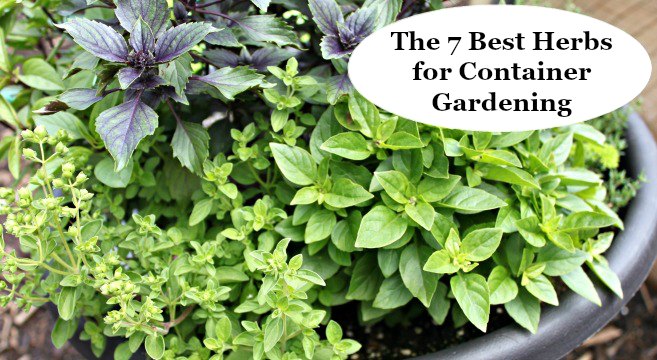 |
Herbs in Pots - How to Grow Delicious Herbs in PotsThere are many things to know when growing herbs in pots. The growing conditions, Containers, Soil amendments and watering are just a few of the.. |
|
Choosing Annuals For Your Herb GardenIf you have ever wanted to have an herb garden, it is important to know that there are several important factors to keep in mind. Herbs require good.. |
 |
Home of HerbsFind out more about herbs and how to use them |
|
The Advantages of Substituting Dried Herbs For FreshThere are many advantages to substituting dried herbs for fresh. They are cheaper, more potent, and less dusty. These are the reasons that I prefer.. |
|
Substitute For Dried ParsleyIf you want to make a recipe without parsley, try using cilantro, dill, oregano, or sage instead. They are all delicious substitutes for dried.. |
|
Herbs That Grow in WaterThere are several types of herbs that grow in water. These include Cilantro, Thyme, Oregano, and Lavender. Here are some tips to help you grow these.. |
|
Perennial Herbs For Zone 4If you're in Zone 4 and are looking for perennial herbs, lemongrass and thyme are great choices. These plants thrive in cooler climates and can be.. |
 |
Tips For Growing MenthaA mint plant is a great choice for a water garden or small water feature. They have light lavender flowers, dark green leaves with purplish veining,.. |
|
Medicine From PlantsThe use of medicine from plants has long been an essential part of traditional Chinese medicine. This ancient practice involved a wide range of plant |
 |
Ayurvedic Medicine Side EffectsAyurveda is an alternative medicine with historical roots in the Indian subcontinent. While its theory is considered pseudoscientific, it is still.. |
 |
Growing Herbs IndoorsGrowing herbs indoors has a number of benefits, including increased yield and reduced watering. It can also be beneficial for people who are.. |
|
6 Herbs High in MagnesiumMagnesium is an important mineral that plays an essential role in heart, brain, and musculoskeletal health. Since magnesium is required ... Read more |
|
Citrus Bergamot vs. Red Yeast Rice: Similarities & Differences ExplainedCitrus bergamot and red yeast rice are two herbs compared to each other due largely to their potential to reduce ... Read more |
|
Citrus Bergamot vs. Bitter Orange: Similarities & DifferencesCitrus bergamot and bitter orange are both popular herbs with health benefits for metabolism and weight loss. However, they both ... Read more |
 |
The Cup of LifeLike life, tea is what you make of it and The Cup of Life helps individuals enjoy tea in more than one way. Join me on my tea adventures through my blog! |
|
6 Herbs High in ZincZinc is an important trace element that contributes to immune function, tissue repair, and gene synthesis. Since zinc is involved ... Read more |
|
5 Herbs High in PotassiumPotassium is a mineral that plays a crucial role in maintaining overall health and wellness, especially for muscle and nerve ... Read more |
|
Feb 14, How to Use Ground Ivy with Val AlcornIt’s always exciting to hear about a little-known herb with powerful medicinal action. Join this conversation about ground ivy with Val Alcorn! |
|
Feb 21, Benefits of Calamus Root with jim mcdonaldJoin me and my friend and herbalist jim mcdonald as we discuss the benefits of calamus root, including clearing away mental cobwebs and enhancing your focus. |
|
Mar 1, Cottonwood BenefitsJoin me in this episode all about cottonwood and find out why it has been used as medicine and to make a variety of tools for thousansa of years! |
|
Mar 7, The medicine of calamus root (rhizome) and leaves with Karyn SandersIt was an honor and a deep pleasure to have this informative conversation about calamus root benefits with Karyn Sanders. Join us in this new episode! |
|
Mar 14, Dandelion with Nancy PhillipsLet's sit down and discuss dandelion with herbalist and author, Nancy Phillips |
|
Delicious Elderberry Syrup Gummies for Cold Flu & SleepElderberry syrup is immune enhancing and protective against colds and flu. It’s one of my favorite natural remedies for avoiding or beating the flu. These flu |
|
Helpful Plant Remedies For Anxiety And StressFeeling anxiety and stress lately? Are you feeling frustrated and wish you could just find a way to relax? Do you find that your heart is usually beating |
|
Tomato Tea, A Natural Cold and Flu RemedyThis tea really works! You can literally feel your sinuses opening up. It’s an immune booster so even if you’re not sick drink this when others around you are |
|
What Are Digestive Bitters And Should You Take Bitters?Bitters are a drink you sip before a meal to aid in healthy digestion. Traditional diets contained bitter foods because of their digestive action. The bitter |
 |
Tony Gebely · Tea Epicure · Taste DifferentlyA tea assessment platform that rates teas based on objective quality markers and a sensory evaluation resulting in a list of the best teas produced each year. |
 |
Motherwort Has Amazing Benefits For Your BodyMotherwort (Leonurus cardiaca) is found growing in the wild in vacant lots and gardens. It’s easy to spot as motherwort grows to a height of 5 feet and has |
Did you miss our previous article...
https://belovedsaffron.com/herbs/ginger-peppermint-tea-monthly-tea-