.png)
Saffron is particularly special for us; its magical scent along with its unique flavour inspires us each day and reveals a world of possibility in the kitchen.
We invite all brave souls who are keen to share their culinary secrets! If you have something delicious on your mind, don't hesitate to share it at [email protected] Let's show our appreciation for all those incredible cultures who dedicate their time and effort towards tantalising taste buds!
For now, love yourself and enjoy this one ...
By Bevin Cohen
I've enjoyed gardening for most of my life. As a young kid I used to grow radishes in a flowerpot on the balcony of my grandmother's apartment. Radishes are a perfect crop for a kid; they grow fast, they're colorful and they make a nice little snack. When I got older, I fell in love with the garden of a close family friend. It was a husband and wife team. On one side of the garden, he grew all sorts of tasty fruits and vegetables, and on her side was the most diverse and colorful collection of herbs and flowers I had ever seen. The buzzing of bees would fill the summer air while I munched on fresh green beans, cucumbers, and cherry tomatoes.
This fascination with plants has carried over into my adult life and nowadays I spend much of my time outdoors - gardening, foraging or just sitting in the shade enjoying the sights and sounds of Nature's endless dance. There's so much joy to be found in the garden, from the vibrant colors of newly opened blooms to the fragrant aroma of fresh herbs. The flavors of homegrown produce are unmatched by anything available at the supermarket. In the garden is where we find life's greatest treasures.
For the past ten years or so, I've tried to share my love of gardening with folks, through classes and workshops as well as in a handful of books that I've written, and even in a newly launched podcast, appropriately dubbed Seeds & Weeds. I want people to be just as excited about the world of plants as I am. One subject that seems to generate quite a bit of excitement is seed saving. Even amongst experienced gardeners, I've found that the saving of seeds isn't as common as one might expect it to be. How can we have a garden without seeds? To me, saving seeds is as natural as planting seeds, but it's a practice that has fallen to the wayside on many gardeners' annual to-do lists. I suppose it is easy to just buy new seeds each year, but homegrown seeds will perform better than commercially purchased varieties; they've begun to adapt to our gardens. If we think about it, all that our plants truly want to accomplish is the production of seeds to ensure the next generation of plants, and they'll do whatever it takes to make sure this happens. Seeds harvested from our own gardens are adjusting to our microclimates, pest and weed pressures, and even our gardening techniques. They're making themselves at home. By saving the seeds from our best performing plants, we'll get even better plants next season. Whether it's the most beautiful flower, the most fragrant herb or the tastiest tomato you've ever had, selecting for the traits that you enjoy will ensure that those traits are passed along into the next generation.
For several years, my seed work was centered around seed libraries, which are public seed dispersal hubs that are often housed within public libraries. These are great programs that help get seeds into the hands of the people that need them the most. I would visit many of these libraries in the spring to help them get their season off on the right foot, and then again in the fall to teach them how to save the seeds from their harvests. While my focus with these programs was providing communities with seeds to grow food, the numbers at the end of each season showed that participants were more interested in growing herbs and flowers than they were fruits and veggies. Maybe it was due to limited growing space, or just personal preference, but either way, I had to adjust my seed saving curriculum to match the needs of the growers in attendance at my workshops. This was fun for me, since I had to refresh myself on the different equipment and techniques needed to process these often very small seeds, and I was reminded of something I learned many years ago, as a young boy munching on cucumbers in someone else's garden. Everyone likes to grow something different, and it's these differences that make every garden special. Lean in and grow whatever you love and you'll harvest baskets full of joy for years to come.
Join Bevin on Tuesday, August 22, at 1pm Eastern for the webinar: Saving Our Seeds: Herbs, Flowers, and Veggies. Our webinars are free to The Herb Society of America members and $7.50 for guests. Become a member today, and enjoy all of our webinars for free along with access to the webinar library with over fifty program titles. To register, visit https://www.herbsociety.org/hsa-learn/herb-education/hsa-webinars/
Photo Credits: 1) A flower and vegetable garden (PxFuel); 2) People sorting seeds at a seed library (Public Domain); 3) A bountiful garden harvest (Wallpaper Flare); 4) Bevin Cohen (courtesy of the author)
Bevin Cohen is an award-winning author, herbalist, owner of Small House Farm, and host of the popular Seeds & Weeds podcast. He offers workshops and lectures across the country on the benefits of living closer to the land through seeds, herbs, and locally grown food. Bevin is a food and garden writer whose work has appeared in numerous publications including Mother Earth News, Modern Farmer Magazine, and The Journal of Medicinal Plant Conservation. He's the author or editor of more than ten books, including Saving Our Seeds and The Artisan Herbalist. Learn more about Bevin's work at www.bevincohen.com
By: The Herb Society of AmericaTitle: HSA Webinar: Saving Our Seeds and Harvesting Joy
Sourced From: herbsocietyblog.wordpress.com/2023/08/14/hsa-webinar-saving-our-seeds-and-harvesting-joy/
Published Date: Mon, 14 Aug 2023 09:00:00 +0000
Frequently Asked Questions
Which plant can heal wounds?
Plants are amazing creatures. They grow, they live, and they die. They make food, clean our air and water, and help keep us healthy. But plants also do more than that...they heal wounds.
Plants release molecules called phytochemicals when they are injured. These chemicals act as antioxidants, which protect cell membranes from damage and promote healing.
Phytochemicals found in plants include flavones (found in citrus fruits), terpenoids (present in mint leaves), and polyphenols (common in berries).
In addition to these protective compounds, plants contain proteins, vitamins, minerals, amino acids, fatty acids, and carbohydrates that support the body's natural processes of healing.
The best way to use plants to heal wounds is to consume them directly. However, there are ways to apply the power of plants to treat wounds without eating them.
First, soak a cotton ball in an extract from the St John's Wort herb. This product contains salicylic acid, which helps reduce inflammation.
Next, place the soaked cotton ball on the wound. Avoid applying the herb directly to open cuts, burns, or puncture wounds. If you feel any burning sensation, remove the herb immediately.
You may also find that placing a few drops of essential oil on the affected area promotes faster healing. Lavender essential oil reduces swelling and speed recovery; rosemary stimulates blood flow and increases circulation; peppermint relieves headaches and muscle aches.
If you want to try your hand at growing some of your medicinal herbs, here are some tips:
- Start with small pots, so you don't end up with too much of one particular type of plant.
- Grow several different types of herbs together. The same goes for flowers and vegetables. Mixing it up will ensure you get all the benefits of each plant.
- Use organic fertilizer if you're growing your herbs indoors. Non-organic fertilizers may be harmful to your health.
- Harvest regularly. You'll enjoy the freshness of homegrown herbs, but leave enough time between harvests to allow the soil to replenish itself.
- Be careful not to overwater your plants. Overly wet soil encourages mold growth, which isn't suitable for your herbs.
- Wash your hands after handling your herbs. You don't want to risk spreading bacteria onto your plants!
What is the difference between basil and oregano?
Both of these herbs belong to the Lamiaceae family. They share similar flavors, but the differences are obvious.
Oregano is more pungent than basil. It also adds an extra layer of flavor to foods.
Basil leaves are smaller than oregano leaves. They are also softer and less aromatic.
The two herbs are often used interchangeably. Although they are quite similar, each has its distinctive qualities.
Should You Use Herbs and Spices for Brain Health?
Herbs and spices have been used for centuries to improve brain health. Research shows that these natural remedies may help prevent dementia and Alzheimer's. Some herbs may even boost memory.
However, no scientific evidence proves that eating an herb-rich diet can keep your mind sharp. When it comes to improving cognitive function, there are more effective ways to do it.
One study found that older adults who took 1000 mg of vitamin B6 daily had fewer mental lapses than those taking placebo pills. Another study showed that drinking coffee could increase blood flow to the brain. Other studies suggest that exercise, socialization, and sleep improve brain health.
The bottom line is that herbs and spices probably won't make much difference to your overall health. But they might give you extra energy and focus, which can come in handy during the day.
Statistics
- For those with high cholesterol, garlic supplementation appears to reduce total and/or LDL cholesterol by about 10-15% (72Trusted Source73Trusted (healthline.com)
- Studies have shown that cinnamon can lower fasting blood sugars by 10-29% in diabetic patients, which is a significant amount (9Trusted Source10Trusted (healthline.com)
External Links
[TAG31]
- Ashwagandha | Memorial Sloan Kettering Cancer Center
- Grape Seed | Memorial Sloan Kettering Cancer Center
[TAG34]
- Peppermint oil (Mintoil®) in the treatment of irritable bowel syndrome: A prospective, double-blind placebo-controlled randomized trial
- Curcumin reverses the effects of chronic stress on behavior, the HPA axis, BDNF expression, and phosphorylation of CREB
[TAG37]
[TAG40]
How To
What to look for in herbs?
Herbs contain natural compounds that may help treat various conditions. In addition, herbal remedies may provide relief when used along with conventional treatments.
Herbal remedies include teas, capsules, tablets, ointments, creams, lotions, oils, and topical applications. Some of these products are meant to be taken internally, while others are applied externally.
The most common uses of herbal remedies include relieving minor aches and pains, treating cold symptoms, reducing fever, controlling coughs and sore throats, easing digestion problems, soothing skin irritations, alleviating menstrual cramps, and providing general health benefits.
When buying herbs, look for the following:
- Freshly picked plants. Avoid dried herbs unless they've been stored in a cool place. If possible, buy herbs directly from farmers' markets.
- Pure extracts. These are made by extracting the active ingredients from herbs using alcohol or water. Look for 100% pure extractions.
- Certified organic herbs. Organic herbs must meet strict standards set forth by the USDA.
- Natural flavors. Many herbs have strong scents that can overwhelm other foods. Adding flavorings such as vanilla, almond, or orange helps mask their smell.
- Potency. The amount of active ingredient per unit weight varies depending on the type of herb.
- Packaging. When purchasing herbs, check the packaging to ensure that it's clean and free of chemicals.
Resources:
 |
[TAG42]No and Low salt choices for herbs and spices may seem pretty straight forward, but there are a few things we have to look out for and think about. Today, we'll |
 |
[TAG43]Join us in this heartwarming journey as we follow the story of a resilient nomadic mother's return from the hospital after a challenging time. In this touching |
 |
[TAG44]In this episode of The Herbalist Hour I'm joined by the wonderful Lottie Spady. I first met Lottie at the Great Lakes Herb Faire a few years back, so it was |
 |
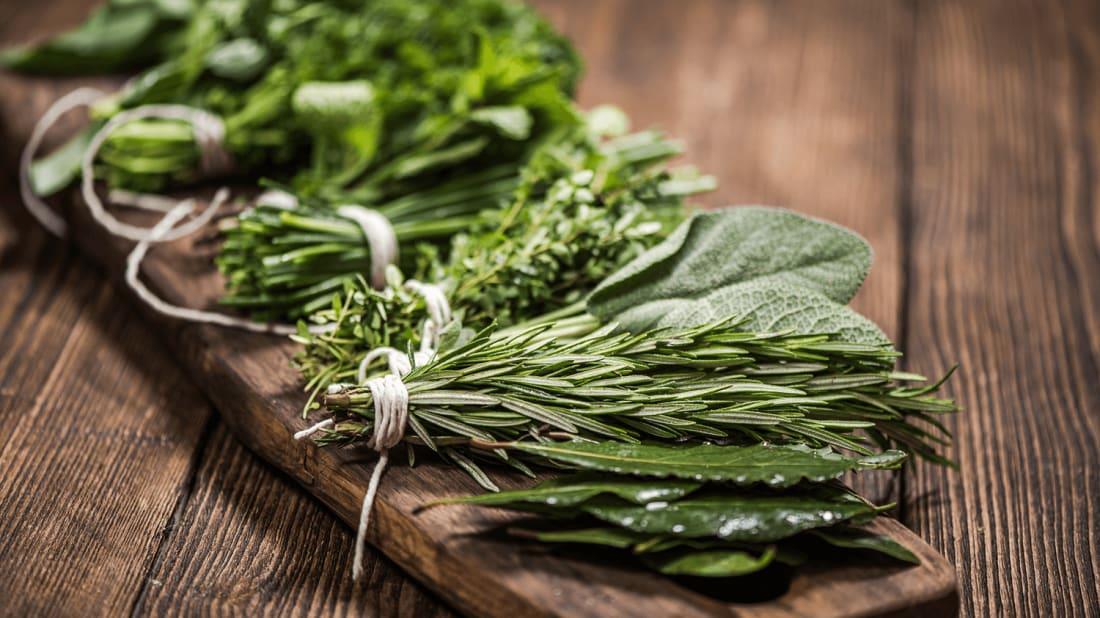
[TAG45]In this video, I discuss the importance of dried herbs like oregano, thyme, and rosemary, and how incorporating them into your meals can enhance their overall |
 |
[TAG46]Do you love growing your own herbs and vegetables but your soil is terrible? A raised bed is your answer. This video will look at wooden garden kits, custom |
 |
[TAG47]Learn herbs from respected professional herbalists offering world-class herbalist training. The NEW Professional Herbalist Course includes courses on over 600 |
 |
[TAG48]Reach for chamomile tea to soothe an upset tummy, to relieve stress and tension, and even to promote sleep! + How to avoid unwanted chamomile tea side effects |
 |
[TAG49]If you feel you might be coming down with the sniffles, this recipe gives you a quick and easy Ancient Home Remedy for Colds and Flu that can be made with 1, 2, |
 |
[TAG50]Let’s walk the garden and see how things might of changed since last week .. We need sun Bad wha makes a garden grow Sun Rain Heat A lot of loving |
 |
[TAG51]How I cook delicious Cane herbs for supper served with phutu. A quick and easy recipe. @TeeyaM02 |
 |
[TAG52]BergaMonte® is a trademarked form of citrus bergamot extract. It has the potential to offer greater health benefits compared to ... Read more |
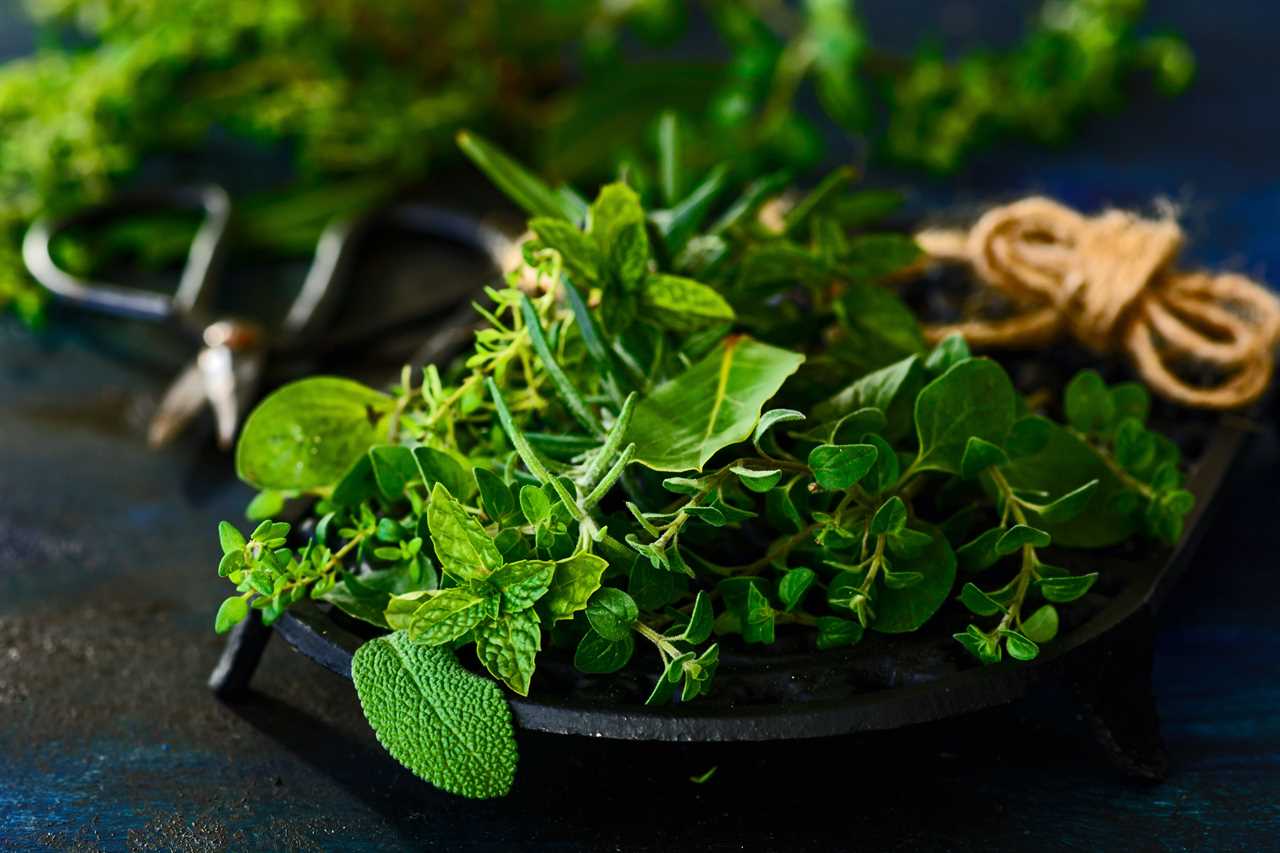 |
[TAG53]Find out more about herbs and how to use them |
 |
[TAG54]5 Spices and Herbs to Increase Fat Burning! Dr. Mandell |
 |
[TAG55]Yulia lives in a remote village in Ukraine. He leads a natural lifestyle, grows all food products on his own. Today Julia will cook pea soup and pies with eggs |
 |
[TAG56]Join me in this new episode as I’m sharing my top 6 chamomile plant benefits PLUS I’m sharing a completely underrated remedy: a chamomile oil recipe. |
 |
[TAG57]Nattokinase supplements have become popular in recent years due to their various purported health benefits. Nattokinase is an enzyme that’s ... Read more |
 |
[TAG58]Tune in for this new episode and I think you’ll love hearing Jesus share memories of how his grandmother turned to Mexican oregano for food and medicine. |
 |
[TAG59]Like life, tea is what you make of it and The Cup of Life helps individuals enjoy tea in more than one way. Join me on my tea adventures through my blog! |
 |
[TAG60]Shilajit supplements have become popular in recent years due to their various purported health benefits. Shilajit is a natural tar-like ... Read more |
 |
[TAG61]It’s the middle of the night, and you wake up struggling to breathe through your nose. Your mouth is dry ... Read more |
 |
[TAG62]Wouldn’t an herb that shines for menopause support and more be a wonderful ally? That's exactly what red clover benefits do! Find out more in this new episode. |
 |
[TAG63]An upset stomach can leave you in considerable pain and significantly disrupt your quality of life. Natural herbal teas can ... Read more |
 |
[TAG64]Join me and Kat Mackinnon, who shares an impressive amount of information about the medicinal gifts of the pine tree in a hilarious and quirky way! |
 |
[TAG65]A tea assessment platform that rates teas based on objective quality markers and a sensory evaluation resulting in a list of the best teas produced each year. |
Did you miss our previous article...
https://belovedsaffron.com/herbs/314-tilia-challenge