.png)
Through our website, we want to bring people closer to delicious, creative meals that nourish both body and soul. We don’t intend to become famous chefs –we just love food!
We firmly believe in celebrating the beauty of different cultures through their cuisine. From home kitchens to 5-star restaurants, each meal has its own secret recipe for success.
The love for Saffron initially inspired us on this journey, but our mission is much larger than that. We strive to provide helpful resources and meaningful conversations about organic farming techniques, cooking tips and culinary customs from around the world.
If you’d like to join us in showcasing your special family recipes or other noteworthy ideas relating to food culture, please reach out at [email protected] –your contribution will be highly cherished!
For now, love yourself and enjoy this one ...
By Chrissy Moore
I recently traveled to Wyoming's capital, Cheyenne. It was a much-anticipated vacation. The Cheyenne Botanic Gardens was the perfect starting point for exploring the surrounding area. The Cheyenne Community Solar Greenhouse was established in the late 1970s. In 1984, a new grant-funded botanical garden was opened in its current location. The approximately nine-acre facility is clearly very forward-thinking in how it manages the local climatic conditions, including how it displays the myriad plants that can handle Cheyenne's brutal growing conditions--conditions found in few other places outside of the Cheyenne vicinity. I would highly recommend visiting Cheyenne or the surrounding plains and mountain ranges if you haven't been. It's amazing how many features are hidden in the landscape. I love getting up close to plants.
Cheyenne is located at 6,086 feet above sea level, giving it a characteristic semi-arid and cold climate. It receives an average of 14 inches of rainfall per year, which is, as I like to put it, "just enough to drive you crazy!" The temperature can change dramatically at any point of the year. It can range from the mid-80s to upper 90s in the summer to negative numbers in the winter. Scott Aker, CBG Director, told me that when he left for an appointment at noon the temperature outside was 53deg F. 15 minutes later the temperature dropped to 3deg F. It is important to note that Cheyenne has a lot of wind. Winds can reach speeds of up to 100mph during blizzard/gale-force winds. Has the hail been mentioned? Hail can be a serious threat to plants, both woody and herbaceous, and even your car, or God forbid, glasshouse. A storm produced hail as small as tennis balls in one part of the town. On the other, there was a tornado warning. Cheyenne's day ended in "y '!"
You can imagine that these conditions are not ideal for most herbs. Some plants may be able to handle one of the conditions but not all together. I spoke to Isaiah Smith, the CBG supervisory horticulturist and an Alabama transplant. He told me that many people make helpful suggestions like, "Why don’t you grow Southwest plants?" Smith replied with a smirk: "Because Southwest is low elevation, while Cheyenne has high elevation." The plants are different and cannot tolerate the extremes of our climate. He is right. Herb growers from all over the country, and in different hardiness zones, can confirm this. In some parts of Texas, basil can reach three feet in height. However, for those in the north, a short season and cold temperatures in the shoulder months will often reduce basil's life span.
I kept a keen eye out as I walked through the herb garden at CBG and went hiking in the natural areas around Cheyenne. I tried to identify which herbs I recognized and which ones seemed to perform best. Artemisia species native to the area were well-adapted. Artemisia frigida, also known as prairie sagebrush (or sagebrush of the prairie), was abundant. It was used historically by the Cheyenne Indian tribe for ceremonial purposes. The sprigs of the plant were tied to objects that were sacrificed in order to request water. The soft leaves were used to aid in menstrual hygiene and the roots were drunk as a tea for irregular menses. The silvery-green, super-soft leaves make it a pleasant groundcover in many places.
Artemisia Tridentata, with its woody, gnarly branches and three-lobed, tiny leaves, looked just like old lavender plants scattered across the hillsides. This plant is everywhere in the area. "A. Tridentata is found in deserts, especially those with a powdery or sand soil .... According to Daniel Moerman, Native American Ethnobotany's list of A. Tridentata is one of the top ten plants in terms of their number of uses. After visiting the region, it is easy to understand why sagebrush grows everywhere. The plant was used to make tea and in medicine. The wood was used for fuel and the bark stringy was used to make ropes and baskets (Guana N.D.).
We gave up on Arctostaphylos Uva-ursi, also known as bearberry or kinnikinnik, long ago because we couldn't grow it in Washington DC. How could we ever have had it in the first instance? The National Resources Conservation Service describes bearberry as an omnivorous plant that can grow in a variety of environments. However, when I first saw the dazzling, green groundcover at 8000 feet in the Vedauwoo Recreation Area in the Medicine Bow National Forest, in a dry, arid environment, I knew that this was a different situation than the one we face in Washington, DC. The NRCS does not say that these plants cannot grow anywhere else, but trying it is a little like Cinderella trying to fit into her glass slipper. It just doesn't work. Arctostaphylos, a plant used in Indian pemmican (a food), is also a very astringent leaf that can be used as a vasoconstrictor. Some tribes powdered the leaves and applied them to sores.
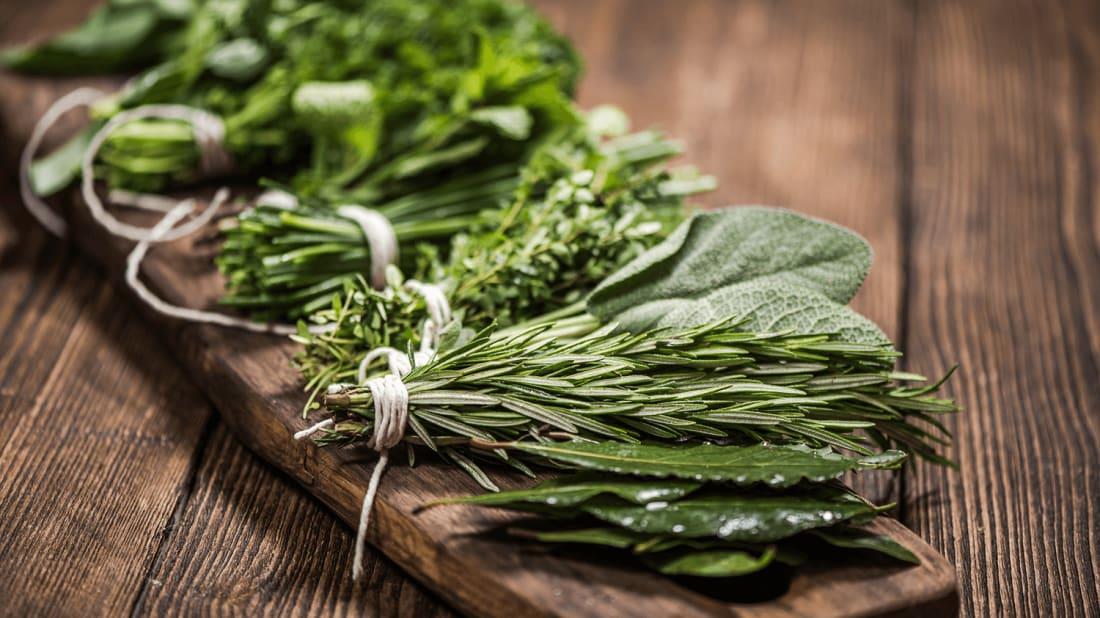
The CBG's own herb garden was a revelation in terms of its ability to grow herbs. The CBG's herb garden was awash with French tarragon (Artemisia dracunculus var. In Washington, DC, this plant is often associated with struggles, but it was a star in Cheyenne. The stand was enormous and reached a height of around three feet. Tarragon has many culinary uses. (See the Herbs of the Month for tarragon) I'm not certain why it's not been "lifted", and I don't even mean in the garden sense. Do not get any ideas. Since it is such a herbal icon, I was instantly jealous of CBG's abilities to grow the plant. But we can't always have everything.
Oregano, catnip and costmary were also growing like crazy in the herb garden. It was located in a somewhat protected area. You can't avoid hail and winds of 40 mph, no matter how much you try. We should therefore give credit to those who deserve it. Lavender also appeared, but it was less appreciative about its location. Who can blame it? The Cheyenne version of a Mediterranean climate is not the same as that in France.
This trip has increased my respect for the intrepid gardeners who are willing to take on such extreme environments as Cheyenne, one of the toughest in the United States. No matter if you're walking through natural areas, or in the manicured garden of a horticultural institute, growing strong, weather-tested plants in the highplains is a heroism few are willing to embrace. Ask Isaiah and his colleagues! Extreme conditions are a part of everyday life in Cheyenne and at the Cheyenne Botanic Gardens, where visitors can see what's possible. I salute (no pun meant) all the high plains heroes, whose capes are seen whipping in the prairie winds!
Disclaimer on Medicinal Use: The Herb Society of America, Inc. does not recommend or advise the use of herbs as a medicine or for health purposes. This information is provided for educational purposes and should not be construed as an endorsement or recommendation of any specific medical or health treatment. Consult your health care provider prior to using herbal remedies.
Photo Credits: 1) Cheyenne Botanic Garden entrance planting; 2) "Wyoming Wind Sock"; 3) Artemisia frigida (prairie sagebrush); 4) Artemisia tridentata (big sagebrush) and Castilleja linariaefolia (Indian paintbrush); 5) Arctostaphylos uva-ursi (bearberry/kinnikinnik) and Artemisia tridentata as groundcovers in the Vedauwoo Recreation Area; 6) Artemisia dracunculus var. Cheyenne Botanic Garden: sativus, (French tarragon); 7) Tanacetum Balsamita (costmary), Salvia Officinalis (gardensage), Lavandula Angustifolia(English lavender); 8) Master Gardeners at the CBG. The author has taken all photos except for the Wyoming Wind Sock (public domain).
References
Gauna, Forest Jay. N.D. Plants of the Week: Artemisia Tridentata United States Forest Service. Available from: https://www.fs.usda.gov/wildflowers/plant-of-the-week/artemisia_tridentata.shtml. Accessed on 9/18/2023.
Hart, J. 1976. Montana-native plant species and early peoples. Montana Historical Society, Helena (MT). 75 p.
Natural Resources Conservation Service Plant Guide. N.D. Bearberry (Arctostaphylos uva-ursi). National Plant Data Center, United States Department of Agriculture. Accessed on 9/18/2023.
Natural Resources Conservation Service Plant Guide. N.D. Prairie sagewort (Artemisia tridentata). National Plant Data Center, United States Department of Agriculture. Accessed on 9/18/2023.
Chrissy Moore, curator of the National Herb Garden in Washington DC at the U.S. National Arboretum. Chrissy Moore lectures, gives tours and writes about various herbal topics. She also maintains the garden at the NHG. She is co-blogger of The Herb Society blog. She is also a member of The Herb Society of America's Potomac Unit and an International Society of Arboriculture Certified Arborist. She can be found caring for many horses when she is not busy doing herbie stuff.
By: The Herb Society of AmericaTitle: High Plains Heroes: Herb Gardening in a Seriously Tough Climate
Sourced From: herbsocietyblog.wordpress.com/2023/10/23/high-plains-heroes-herb-gardening-in-a-seriously-tough-climate/
Published Date: Mon, 23 Oct 2023 07:30:00 +0000
Frequently Asked Questions
Which plant can heal wounds?
Plants are amazing creatures. They grow, they live, and they die. They make food, clean our air and water, and help keep us healthy. But plants also do more than that...they heal wounds.
Plants release molecules called phytochemicals when they are injured. These chemicals act as antioxidants, which protect cell membranes from damage and promote healing.
Phytochemicals found in plants include flavones (found in citrus fruits), terpenoids (present in mint leaves), and polyphenols (common in berries).
In addition to these protective compounds, plants contain proteins, vitamins, minerals, amino acids, fatty acids, and carbohydrates that support the body's natural processes of healing.
The best way to use plants to heal wounds is to consume them directly. However, there are ways to apply the power of plants to treat wounds without eating them.
First, soak a cotton ball in an extract from the St John's Wort herb. This product contains salicylic acid, which helps reduce inflammation.
Next, place the soaked cotton ball on the wound. Avoid applying the herb directly to open cuts, burns, or puncture wounds. If you feel any burning sensation, remove the herb immediately.
You may also find that placing a few drops of essential oil on the affected area promotes faster healing. Lavender essential oil reduces swelling and speed recovery; rosemary stimulates blood flow and increases circulation; peppermint relieves headaches and muscle aches.
If you want to try your hand at growing some of your medicinal herbs, here are some tips:
- Start with small pots, so you don't end up with too much of one particular type of plant.
- Grow several different types of herbs together. The same goes for flowers and vegetables. Mixing it up will ensure you get all the benefits of each plant.
- Use organic fertilizer if you're growing your herbs indoors. Non-organic fertilizers may be harmful to your health.
- Harvest regularly. You'll enjoy the freshness of homegrown herbs, but leave enough time between harvests to allow the soil to replenish itself.
- Be careful not to overwater your plants. Overly wet soil encourages mold growth, which isn't suitable for your herbs.
- Wash your hands after handling your herbs. You don't want to risk spreading bacteria onto your plants!
What is the difference between basil and oregano?
Both of these herbs belong to the Lamiaceae family. They share similar flavors, but the differences are obvious.
Oregano is more pungent than basil. It also adds an extra layer of flavor to foods.
Basil leaves are smaller than oregano leaves. They are also softer and less aromatic.
The two herbs are often used interchangeably. Although they are quite similar, each has its distinctive qualities.
How to make herbal remedies at home?
Making herbal remedies at home is easy. All you need is fresh herbs, water, salt, and sugar. You can use any herb, depending on what you want to create.
For example, choose mint, basil, chamomile, or lemon balm to make a soothing tea. If you want to make a cooling drink, try rosemary, thyme, lavender, or eucalyptus.
All you need to do is put all the ingredients into a pot and boil them until they become soft. Strain out the herbs and serve hot.
Add honey to the boiling mixture to make a tonic drink. Honey is a preservative and will keep your herbal remedy fresh for longer.
You can also combine two or three herbs to make a more potent brew. For instance, you could mix equal parts of garlic and ginger to make a powerful antiseptic. Or you can combine equal amounts of turmeric and ginger to make a potent immune booster.
Soak a clean cloth in warm water and place it over the affected area to make a compress. Leave it for 10 minutes before removing it. Do this every day until the swelling goes down.
Make sure you consult your doctor first before using herbal remedies. Some plants may interact negatively with other medications. Also, don't take large quantities of herbs because they can cause side effects.
Which plant has antibiotic and wound-healing properties?
People often ask about plants that have medicinal uses. Some of these include aloe vera, eucalyptus, chamomile, and lavender. If you're wondering why there aren't any plants used for cleaning and disinfecting purposes, it's because most plants have toxic qualities.
The reason why we use herbs for medicine is that they contain compounds that stimulate our immune system. This means that they help us fight infections and heal wounds.
Some plants also have anti-inflammatory properties. These include ginger, turmeric, and mint.
Herbs such as basil, fennel, marigold, and oregano are great for cleansing the body.
There are even some plants that help prevent cancer. Research shows that black raspberries may reduce the chances of developing breast cancer. The same goes for broccoli. It can help prevent colon cancer.
What are the side effects of basil?
Basil is an herb that originated in tropical regions of India, Africa, China, Indonesia, Malaysia, Thailand, Philippines, Mexico, Puerto Rico, Jamaica, Costa Rica, Panama, Colombia, Venezuela, Brazil, Peru, Ecuador, Bolivia, Paraguay, Uruguay, Argentina, and Chile.
The plant is easy to grow in most climates and requires little maintenance. Basil also thrives in poor soil conditions and is very drought tolerant.
As for the health benefits, more than 200 known compounds are found in basil, including flavonoids, phenolic acids, lignans, polysaccharides, essential oils, vitamins, and minerals.
According to the University of Maryland Medical Center, basil contains powerful anti-inflammatory properties which may help relieve symptoms associated with arthritis, asthma, allergies, bronchitis, cancer, cardiovascular disease, diabetes, digestive disorders, depression, eczema, insomnia, infections, migraines, osteoporosis, psoriasis, respiratory problems, stress, and ulcers.
Basil is also a culinary spice and is often added to tomato sauces, soups, salads, pasta dishes, rice dishes, dips, casseroles, pizza toppings, pesto, chicken wings, and popcorn.
However, like all herbs, basil should be consumed in moderation. Too much of anything is not good for you. For example, eating large amounts of basil could lead to stomach upset. And if you have sensitive tummies, avoid consuming basil during pregnancy.
If you are pregnant or nursing, consult your doctor before taking herbal supplements.
You should only take one type of supplement at a time. If you take other medications, make sure they do not interact with each other.
You should never use herbs while on medication unless directed by your doctor.
Some people experience allergic reactions when using herbs, especially those allergic to ragweed. Symptoms include hives, swelling around the mouth or eyes, shortness of breath, chest tightness, nausea, vomiting, diarrhea, headaches, dizziness, fainting, heart palpitations, blurred vision, loss of consciousness, seizures, or even death.
Some people who take certain medications may develop an allergy to basil. These drugs include:
- Antacids (like Alka Seltzer)
- Anti-anxiety medicines (Valium, Xanax, Ativan, etc.)
- Beta-blockers (like Propranolol)
- Blood thinners (like Coumadin)
- Calcium channel blockers (like Amlodipine)
- Cholesterol-lowering drugs (like Lipitor, Zocor, Mevacor, and Pravachol)
- Diabetes medicine (like Glucophage)
- Diuretics (like Lasix)
- Heartburn medicines (like Prilosec OTC)
- Hormone therapy (like Premarin, Tamoxifen, Femara)
- Insulin (like Humalog, Lantus, Novolin R)
- NSAIDs (like Aleve, Motrin, Advil, Excedrin, Tylenol, Ibuprofen)
- Oral contraceptives (like Ortho Evra, Yasmin, Loestrin, Ovrette, Yaz, and Seasonale)
- Pain relievers (like Aspirin, Celebrex, Vicodin, Percodan, Darvocet, Dilaudid, Fiorinal, Tylenol 3s, Naproxen, Motrin, Tramadol, Ultram, Voltaren
Statistics
- The herbs market is highly competitive, with over 1,000 herb suppliers and over 15,000 herbs products available in the United States alone.
- For those with high cholesterol, garlic supplementation appears to reduce total and/or LDL cholesterol by about 10-15% (72Trusted Source73Trusted (healthline.com)
External Links
[TAG32]
[TAG34]
[TAG36]
- Ashwagandha | Memorial Sloan Kettering Cancer Center
- Grape Seed | Memorial Sloan Kettering Cancer Center
[TAG39]
How To
How do I know if my herbs have been treated with pesticides?
If you see a pesticide label on your herbs, the plants were sprayed with chemicals before being sold to you.
These chemicals harm human health and could cause cancer or other serious illnesses.
Unfortunately, this practice has become common around the globe. Many countries allow farmers to spray their crops with pesticides without proper regulation.
In order not to harm themselves, consumers should always ask about the source of their produce. If it comes from a farmer near you, it’s safe to assume it was not treated with pesticides.
However, there are still ways to ensure that your herbs are free from harmful chemicals.
However, if you want to ensure that your herbs aren’t contaminated, you can purchase organic herbs directly from the farm.
This way, you won’t need to worry about the safety of your herbs. You can trust that they weren’t exposed to harmful chemicals.
Resources:
 |
[TAG41]Tonight I had the pleasure of dining with some amazing friends. Granny and Dice from @GamblinGranny Restaurant of choice, Herbs & Rye. Question is, Heavenly or |
 |
[TAG42]Learn How to Make a 16th Century Herbal Elixir - To Relieve Colds, Tummy Troubles, and Restless Sleep ➡️SUBSCRIBE to my channel: https://www.youtube |
 |
[TAG43]Dates are the fruits of the date palm tree and are grown primarily in tropical regions around the world. They come in various colors and sizes, but they all |
 |
[TAG44]Are you tired of feeling stressed and anxious all the time? Discover the incredible power of nature with these 8 miracle herbs that can help boost your nerves |
 |
[TAG45]Harvesting bare plants (herbs) Go to the market | Chúc Thị Duyên Thank you for visiting my channel and supporting the video. Wishing you and your family good |
 |
[TAG46]Learn herbs from respected professional herbalists offering world-class herbalist training. The NEW Professional Herbalist Course includes courses on over 600 |
|
[TAG47]Adventure With Herbs - (2023-10-21) #ITN #ITNSriLanka #ITNDigital #AdventureWithHerbs © 2023 by Independent Television Network Ltd. All rights reserved. |
 |
[TAG48]Learn how easy it is to make canned ground beef that will sit on your pantry shelf for years. This method also works for canned ground venison, elk, bear, lamb, |
 |
[TAG49]Ancient wisdom for healing |
 |
[TAG50]Prepare for winter's ills and chills with health-boosting herbs! How can herbs help our immune system stay strong and what can help if we do get sick? Learn |
 |
[TAG51]Our trip to Jotunheimen the land of the giants and days in our lives in the nordic forests living simply in an old house. Would you like to support us, |
 |
[TAG52]Find out more about herbs and how to use them |
 |
[TAG53]Read about our list of the best citrus bergamot supplements and how they may help to reduce cholesterol levels, balance blood sugar levels, and more. |
 |
[TAG54]SPONSORED CONTENT When it comes to finding the best herb suppliers, there are many different places you can shop. However, ... Read more |
 |
[TAG55]Black seed oil is a popular herbal supplement used to improve blood sugar, support heart health, reduce inflammation, enhance brain ... Read more |
 |
[TAG56]Join me in this new episode as I’m sharing five medicinal benefits of hops, as well as an interesting way for you to work with hops in a hops oil recipe. |
 |
[TAG57]In this episode, I’m sharing five steps to take so that when you do commit to a particular course of study, you’ll know you’ve chosen the very best one for YOU. |
 |
[TAG58]Like life, tea is what you make of it and The Cup of Life helps individuals enjoy tea in more than one way. Join me on my tea adventures through my blog! |
 |
[TAG59]Weight loss can be a great way to manage your overall health, especially if you want to reduce your risk ... Read more |
 |
[TAG60]Have you ever wondered how to become an herbalist? Herbalism is the art and science of using herbs for health. ... Read more |
 |
[TAG61]In this episode, you’ll learn all about holy basil benefits for your heart, immune system, brain health and so much more. And don't miss my new ebook! |
 |
[TAG62]The gifts of bee balm include promoting digestion, helping you recover from colds and the flu, fighting fungal and yeast infections… and many more! |
|
[TAG63]Find out how to make a marshmallow root tea recipe for the best marshmallow root benefits and experience one of our most healing and soothing medicinal herbs! |
 |
[TAG64]A tea assessment platform that rates teas based on objective quality markers and a sensory evaluation resulting in a list of the best teas produced each year. |