.png)
For now, love yourself and enjoy this one ...
By Maryann Readal
 West Indian lemongrass, Cymbopogon citratus, is a fragrant member of the grass family (Poaceae). It has long, sharp-edged, narrow leaves and edible, small bulbous roots that resemble scallions. The plant is used as an ornamental grass in the garden, growing quite tall in a single season. It is evergreen in Zones 10 and 11, and the roots are winter hardy to Zones 8b, if protected. The foliage turns brown in the winter and should be trimmed back in the spring before new growth starts. It is an annual plant in zones lower than 8b.
 Lemongrass can be grown from seed, or the crown and rhizome can be divided to create new plants. New plants can also be started from stalks purchased from a grocery store’s produce section. It rarely produces a flower when grown as an annual plant. It needs full sun, fertile soil, and adequate water and will grow easily in a container.
Lemongrass is native to Southeast Asia and is used in the cuisines of those countries. The long arching narrow leaves and bulbs have a distinct lemon scent. Both are used to flavor soups, fish, seafood stews, curry, poultry, and sauces. After removing the fibrous outer layer, the bulb should be chopped fine or mashed. The leaves are added to soups to give a lemon flavor but should be removed before eating. Its herbal lemon flavor is a nice addition to cookies and cakes, puddings, and sweet desserts. The leaves can also be used to make a lemony tea. The stalks can be frozen or cut up and dried for later use.
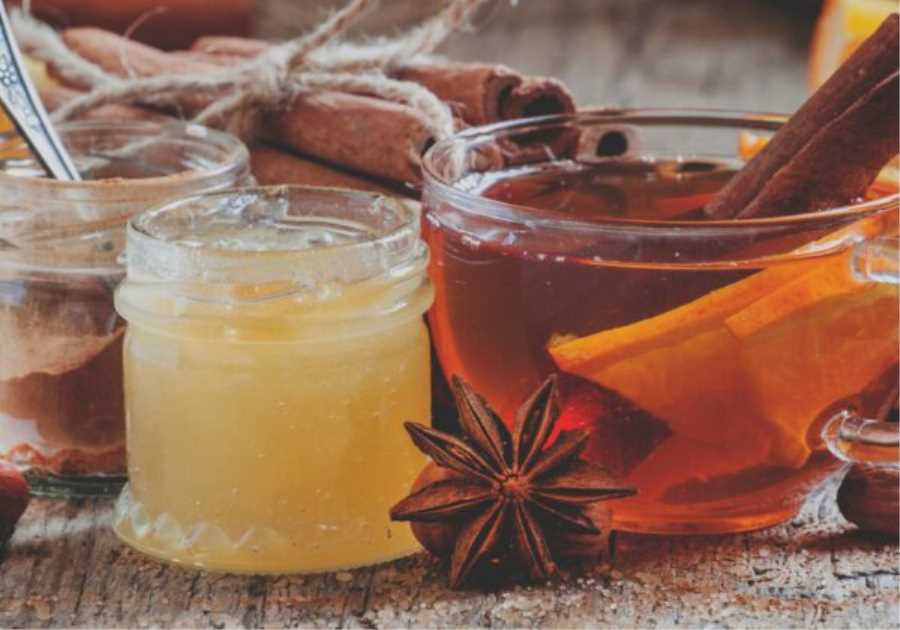
 In India, the plant is used mostly for medicine. It is believed to have cooling properties and is sometimes called “fever grass.” It is used to treat stomachaches, digestive problems, and inflammation (Stephanie Lyon, N.D.). Lemongrass tea is thought to be antibacterial, antifungal, and antioxidant, and is also considered to be calming. Lemongrass is high in Vitamin A and is used in the “compounding of vitamins” (Madeline Hill, 1997). More research is needed to confirm the effectiveness of lemongrass on illness.
The essential oil of lemongrass is used in soaps, cosmetics, and perfumes. The ability of lemongrass to hide odors was recognized by Southeast Asians long ago. It was added to bathwater, and the distilled oil from the plant was combed through the hair and added to deodorant and lotions. Lemongrass was not known in Europe until the 17th century. At that time, lemongrass essential oil was very expensive and could only be afforded by the wealthy, who used it to mask body odors (Grant, 2018). Lemongrass became popular in South America, Mexico, the Caribbean, and the United States after World War I (Specialty Produce, N.D.).
 The essential oil is also used by beekeepers to imitate a pheromone to attract bees to the hive or swarm (Hobbs, 2022).
Lemongrass is the Herb Society of America’s Herb of the Month for August. For more information, recipes, and a screensaver, please visit the website.
Medicinal Disclaimer: It is the policy of The Herb Society of America, Inc. not to advise or recommend herbs for medicinal or health use. This information is intended for educational purposes only and should not be considered as a recommendation or an endorsement of any particular medical or health treatment. Please consult a health care provider before pursuing any herbal treatments.
Photo Credits: 1) Lemongrass in the garden (Jean Marsh); Lemongrass bulbs (Wikimedia Commons, Hakcipta Mohamed Yosri); 3) Lemongrass in chicken soup (Wikimedia Commons, jeffrey w); 4) Lemongrass tea (Wikimedia Commons, Gatete Pacifique).
References
Bown, Deni. 2001. The Herb Society of America new encyclopedia of herbs & their uses. London: Dorling Kindersley.
Grant, Bonnie. 2018. Uses for lemongrass: learn about lemongrass history. Accessed 6/21/13. https://blog.gardeningknowhow.com/tbt/lemongrass-history-and-uses/
Hill, Madalene and Gwen Barclay. 1997. Southern herb growing. Houston: Shearer Publishing.
Hobbs, Wayne. 2022. Herb stories: all about that lemongrass. Accessed 7/16/23. https://blogs.ifas.ufl.edu/clayco/2022/03/21/herb-stories-all-about-that-lemongrass/
Lyon, Stephanie. (N.D.) Lemongrass. Accessed 6/21/23.
https://blogs.ifas.ufl.edu/clayco/2022/03/21/herb-stories-all-about-that-lemongrass/
Specialty Produce. N.D. Lemongrass. Accessed 6/25/23. https://specialtyproduce.com/produce/Lemongrass_320.php
Maryann is a board member of The Herb Society of America and a Texas Master Gardener. She is a member of The Society’s Texas Thyme Unit in Huntsville, TX. Maryann is also a certified Native Landscape Specialist. She lectures on herbs and plants and does the herb training for several Master Gardener programs. She gardens among the pines in the Piney Woods of East Texas.
By: The Herb Society of AmericaTitle: Herb of the Month: Lemongrass – A Lemony Herb
Sourced From: herbsocietyblog.wordpress.com/2023/08/07/herb-of-the-month-lemongrass-a-lemony-herb/
Published Date: Mon, 07 Aug 2023 07:30:00 +0000
Frequently Asked Questions
Which herbs are healing herbs?
If you look for healing herbs, you won’t find them in the supermarket. There isn’t any place to buy them. There is no store selling them.
You haven’t been able to find healing herbs because they aren’t sold anywhere. They are grown right here in our backyard.
Healing herbs are plants that grow naturally in North America. Like many common household items, these herbs grow throughout the United States and Canada.
These herbs treat minor ailments such as colds, flu, sore throats, coughs, and headaches. Many of these herbs have been used for centuries to help heal wounds and promote overall health.
Of course, when we say “heal,” we mean more than simply treating an illness. We also refer to the ability of these herbs to restore balance and harmony within ourselves and the world around us.
For example, the chamomile herb helps relieve stress. This means that if you feel stressed out, you may benefit from taking chamomile tea. Chamomile tea has been shown to reduce anxiety and nervous tension.
In addition, chamomile tea has been proven effective in relieving insomnia.
Chamomile tea has many other benefits, including its ability to ease stomach aches and gas pains and even improve digestion.
Another popular healing herb is Echinacea. Echinacea is known for helping to fight infections and boosting the immune system.
Echinacea is commonly taken internally and externally to fight infection, prevent viral diseases, and boost immunity. It is safe to use during pregnancy and lactation.
Echinacea also helps reduce muscle pain and inflammation. You can take echinacea orally or topically (as an ointment).
This herb is available in both liquid and capsule form. Liquid echinacea is often mixed with honey and lemon juice. The mixture is then strained and consumed.
Capsules are usually made of freeze-dried plant material. They contain standardized amounts of active ingredients. To use capsules, swallow one or two a day.
The third type of herbal remedy is called tincture. Tinctures are alcoholic extracts of herbs. They are typically used to treat internal problems. Tinctures are generally diluted before being ingested.
Tinctures can be taken orally or applied topically. For oral consumption, dilute tinctures with water. Some people prefer to mix tinctures with food.
Tinctures are easy to prepare. Put about one tablespoon of dried herb into a bottle containing enough alcohol to cover the herb completely. Allow the mixture to sit for several weeks. Then strain and consume.
You may want to try some of these natural remedies to see which ones work best.
What spices assist in recovery?
The use of spices to aid in healing is an ancient practice dating back centuries. Many spices have been used for their medicinal properties, including ginger, cinnamon, cayenne pepper, turmeric, and garlic. Each of these spices has unique benefits that can help with various health issues.
Ginger is known for its anti-inflammatory and antioxidant effects and can help reduce inflammation in the body. It can also be used to soothe an upset stomach or relieve nausea.
Cinnamon has been found to have a wide range of medicinal properties, including antiseptic, antifungal, antimicrobial, and antioxidant agents. It is even believed to help regulate blood sugar levels, making it beneficial in helping prevent diabetes.
Cayenne pepper has been used for centuries as a natural pain reliever and anti-inflammatory agent. It is also thought to increase circulation and metabolism, which can help the body heal more quickly.
Turmeric is an herb that contains curcumin, a powerful antioxidant. Curcumin is beneficial in treating various conditions, from arthritis and neurological disorders to cancer.
Garlic is packed with nutrients and has many health benefits. It can help reduce inflammation, act as antibiotic, lower cholesterol levels, and even boost the immune system.
These spices are all-natural ways to help the body heal and improve overall health. They can all be easily incorporated into food or taken in supplement form for convenience. While spices alone won't cure any ailments, they can play an essential role in aiding healing.
In addition to spices, there are also other natural remedies for healing, such as herbs, essential oils, and homeopathy. Research has shown that many of these remedies can be effective in treating a variety of conditions. If you're looking for an alternative to conventional medicine, consider incorporating some of these natural remedies into your health routine.
Should You Use Herbs and Spices for Brain Health?
Herbs and spices have been used for centuries to improve brain health. Research shows that these natural remedies may help prevent dementia and Alzheimer's. Some herbs may even boost memory.
However, no scientific evidence proves that eating an herb-rich diet can keep your mind sharp. When it comes to improving cognitive function, there are more effective ways to do it.
One study found that older adults who took 1000 mg of vitamin B6 daily had fewer mental lapses than those taking placebo pills. Another study showed that drinking coffee could increase blood flow to the brain. Other studies suggest that exercise, socialization, and sleep improve brain health.
The bottom line is that herbs and spices probably won't make much difference to your overall health. But they might give you extra energy and focus, which can come in handy during the day.
What is the difference between herbs and spices?
Herbs are used for cooking, and spices are used for seasoning.
Herbs have more intense flavors and can be used to cook dishes, while spices can bring out the flavor of foods without altering the taste.
Spices can also be added to food during preparation, such as curry. Spices may be bought individually, or whole packages may be purchased. There are many spices, including black pepper, cayenne pepper, cinnamon, cloves, coriander, garlic, ginger, nutmeg, oregano, paprika, parsley, rosemary, sage, salt, thyme, turmeric, vanilla extract, etc.
The best way to ensure that you are selecting the right spice for your dish is to read the label carefully. If there is an ingredient list, look for "spice" among the ingredients. A common mistake cooks make is buying too much of a particular spice because they do not realize how little they need.
There are a few basic rules to follow when choosing which herb or spice to use. For example, most herbs are fresh, whereas spices tend to last longer. Also, herbs are generally found in small quantities, while spices come in larger containers. Finally, most herbs are usually sold loose (or ground), while spices are packaged in jars or cans.
As long as you are careful to select the correct herbs or spices, you will find that adding them to recipes makes preparing meals easier. After all, spices add flavor to various dishes, while herbs can help improve the appearance and aroma of food.
Why do some love coriander and others don't?
Some people hate coriander, while others love it. But why?
Coriander is an herb that grows in warm climates throughout the world. It is native to both North America and Europe.
The leaves of the plant are used in cooking and can also be found in condiments such as salad dressings and dips. When added to food, coriander provides a spicy flavor.
Many people love its taste because it adds a fresh flavor to dishes without overpowering them. Others dislike the smell and taste of coriander because they find it too strong.
But there is more to coriander than meets the eye. There are two types of coriander – sweet and hot. Sweet coriander is milder and sweeter tasting compared to hot coriander.
Sweet coriander is usually grown for its seeds, often called cilantro. This type of coriander is easy to grow and is very low maintenance.
Hot coriander is most commonly used in Indian cuisine. Hot coriander gives a rich flavor to curries and sauces, making it popular among Indians.
Some people say that hot coriander tastes better than sweet coriander. However, the opposite is true for those who prefer sweet coriander.
There are many reasons why people enjoy different varieties of coriander. For example, one person may love the taste of coriander, while another enjoys the aroma.
Whether you like sweet or hot coriander, you might be surprised to learn that you can buy both types of coriander online.
Statistics
- Herbs are among the most popular and widely used medicinal remedies. According to a survey conducted by the National Institutes of Health, herbs were used by over 38% of adults in the United States.
- Studies have shown that cinnamon can lower fasting blood sugars by 10-29% in diabetic patients, which is a significant amount (9Trusted Source10Trusted (healthline.com)
External Links
[TAG34]
[TAG37]
- Antioxidant capacity of 26 spice extracts and characterization of their phenolic constituents - PubMed
- Cinnamon: A Multifaceted Medicinal Plant - PMC
[TAG40]
[TAG42]
- Peppermint oil (Mintoil®) in the treatment of irritable bowel syndrome: A prospective, double-blind placebo-controlled randomized trial
- Curcumin reverses the effects of chronic stress on behavior, the HPA axis, BDNF expression, and phosphorylation of CREB
How To
What to look for in herbs?
Herbs contain natural compounds that may help treat various conditions. In addition, herbal remedies may provide relief when used along with conventional treatments.
Herbal remedies include teas, capsules, tablets, ointments, creams, lotions, oils, and topical applications. Some of these products are meant to be taken internally, while others are applied externally.
The most common uses of herbal remedies include relieving minor aches and pains, treating cold symptoms, reducing fever, controlling coughs and sore throats, easing digestion problems, soothing skin irritations, alleviating menstrual cramps, and providing general health benefits.
When buying herbs, look for the following:
- Freshly picked plants. Avoid dried herbs unless they've been stored in a cool place. If possible, buy herbs directly from farmers' markets.
- Pure extracts. These are made by extracting the active ingredients from herbs using alcohol or water. Look for 100% pure extractions.
- Certified organic herbs. Organic herbs must meet strict standards set forth by the USDA.
- Natural flavors. Many herbs have strong scents that can overwhelm other foods. Adding flavorings such as vanilla, almond, or orange helps mask their smell.
- Potency. The amount of active ingredient per unit weight varies depending on the type of herb.
- Packaging. When purchasing herbs, check the packaging to ensure that it's clean and free of chemicals.
Resources:
 |
[TAG45]#siriusdestination #protection #lantanacamara "SIRIUS DESTINATION" IS JUST EQUAL TO LIGHT OF HERBS! "The Herbal Light" "The Forest Teacher" "The |
 |
[TAG46]In this episode of the Medicinal Herbs podcast series, naturopath and herbalist Jo Boyd joins host Daina Parent, ND, to celebrate an “unsung herbal hero” – |
 |
[TAG47]Welcome to My Off Grid Living Adventure! I'm Kong guy. Join me every day and escape the city here on my YouTube video blog channel! --- - Become a sponsor |
 |
[TAG48]In recipes, we are constantly told to do techniques but often not told why we do them. Today, I want to explore the question of how we use spices. First, we |
 |
[TAG49]Simple salmon cookery right here. Nothing over-the-top complicated, limited ingredients, proper technique, and a bit of patience. This is my #1 go-to recipe |
 |
[TAG50]Learn herbs from respected professional herbalists offering world-class herbalist training. The NEW Professional Herbalist Course includes courses on over 600 |
 |
[TAG51]There are a number of other great things that turmeric can do for us as a medicinal superfood and there's no way to talk about them all here. In fact, we've |
|
[TAG52]Does your brain check out when you get bored to the point where you go unconscious just like that? It can happen when you’re sleep deprived, or have narcolepsy, |
 |
[TAG53]Today, we're exploring five natural herbs that you can grow in your very own garden and use as tobacco alternatives. Smoking herbs has a long history, and |
|
[TAG54]© 2023 Herb Alpert Presents |
 |
[TAG55]Speaking to Con, our druid friend about an ancient Irish script known as Ogham. There are various beliefs about the origin of this script which had been used |
 |
[TAG56]Find out more about herbs and how to use them |
 |
[TAG57]Join me in this new episode as I’m sharing my top 6 chamomile plant benefits PLUS I’m sharing a completely underrated remedy: a chamomile oil recipe. |
 |
[TAG58]Nattokinase supplements have become popular in recent years due to their various purported health benefits. Nattokinase is an enzyme that’s ... Read more |
 |
[TAG59]Tune in for this new episode and I think you’ll love hearing Jesus share memories of how his grandmother turned to Mexican oregano for food and medicine. |
 |
[TAG60]Shilajit supplements have become popular in recent years due to their various purported health benefits. Shilajit is a natural tar-like ... Read more |
 |
[TAG61]It’s the middle of the night, and you wake up struggling to breathe through your nose. Your mouth is dry ... Read more |
 |
[TAG62]Like life, tea is what you make of it and The Cup of Life helps individuals enjoy tea in more than one way. Join me on my tea adventures through my blog! |
 |
[TAG63]Wouldn’t an herb that shines for menopause support and more be a wonderful ally? That's exactly what red clover benefits do! Find out more in this new episode. |
 |
[TAG64]An upset stomach can leave you in considerable pain and significantly disrupt your quality of life. Natural herbal teas can ... Read more |
 |
[TAG65]Berberine is a compound found in various plants that has been used in traditional medicine for many years. It was ... Read more |
 |
[TAG66]Join me and Kat Mackinnon, who shares an impressive amount of information about the medicinal gifts of the pine tree in a hilarious and quirky way! |
 |
[TAG67]Find out how to use willow bark for natural pain relief, backaches, muscular soreness, headaches, arthritis, and more! |
 |
[TAG68]A tea assessment platform that rates teas based on objective quality markers and a sensory evaluation resulting in a list of the best teas produced each year. |