.png)
Through our website, we want to bring people closer to delicious, creative meals that nourish both body and soul. We don’t intend to become famous chefs –we just love food!
We firmly believe in celebrating the beauty of different cultures through their cuisine. From home kitchens to 5-star restaurants, each meal has its own secret recipe for success.
The love for Saffron initially inspired us on this journey, but our mission is much larger than that. We strive to provide helpful resources and meaningful conversations about organic farming techniques, cooking tips and culinary customs from around the world.
If you’d like to join us in showcasing your special family recipes or other noteworthy ideas relating to food culture, please reach out at [email protected] –your contribution will be highly cherished!
For now, love yourself and enjoy this one ...
This episode features Anne Stobart (herbalist), who discusses why it is important to plant medicinal and food trees rather than just ornamental shrubs and trees.
Show notes
- Online Course: Medicinal Trees & Their Healing Properties
- The Medicinal Forest Garden Handbook - Book
- Book: Household Medicine in Seventeenth-Century England
- Website: Medicinal Forest Garden Trust
- Twitter: @herbaid
- Instagram: @medicinalforest
- Facebook: @medicinalforest
About Anne Stobart
Anne Stobart, a medical herbalist and herb grower, is also a historical researcher. She was previously the director of the professional program for clinical herbal practitioners at Middlesex University in the UK.
Her research interests range from domestic medicine in the modern era to sustainable herbal medicine supply today.
She is on the Journal of Herbal Medicine's advisory board and an Honorary Research Associate at University of Exeter in the UK.
Her publications include Household Medicine and Seventeenth-Century England (Bloomsbury Academic), 2016 and The Medicinal Forest Garden Handbook, Permanent Publications, 2020.
Anne founded the Holt Wood Herbs Project in Devon, which is based on permaculture design principles. It transforms a disused conifer plantation into an enviable medicinal forest garden.
Currently she is working on the Medicinal Forest Garden Trust as well as collaborating with various groups to develop medicinal forest gardens projects.
Her latest online course focuses on Medicinal Trees & Their Healing Properties.
The first post EP42: Medicinal Forrest Gardens appeared on EATWEEDS.
Frequently Asked Questions
What are healing flowers?
Healing flowers are plants that promote peace and tranquillity. They help us unwind after a stressful day and make us feel more relaxed.
They also help us connect to our inner selves and reconnect with nature.
These beautiful blooms are used for meditation, prayer, and contemplation.
We call hundreds of varieties of flowering plants ‘healing’ because they provide such a fantastic experience.
This list includes roses, lilies, irises, daffodils, peonies, tulips, hyacinths, and many more.
But there are two species that I find particularly special. These are the Geranium and Lilium.
Geraniums are very easy to grow and come in various colors. Liliums are also known as lily-of-the-valley, which means 'lily' and 'valley.' Both of these species are popular garden flowers.
Healing flowers are often found growing near water. They are said to bring peace and calmness to those who meditate with them.
In ancient times, people would light candles in flower petals to symbolize the sun. This way, they could honor the sun without needing to go outdoors.
Some say that when you look at these flowers, you may see angels dancing.
Is basil good for kidneys?
The answer is yes. Basil is an excellent food for kidney health. It contains potassium which helps reduce high blood pressure. It also contains vitamin K, which is essential for bone strength. As well as this, it is rich in antioxidants which help protect against heart disease.
Basil is great for digestion too. It contains digestive enzymes that break down protein and carbohydrates. This makes it easier to absorb nutrients from your meals.
Basil is a wonderful addition to any diet. Try sprinkling some over pasta dishes, salads, soups, and sandwiches. Or add little stir-fried vegetables, chicken, fish, meat, and tofu.
It's delicious in pesto sauce and fresh in salad dressings. You'll find many recipes online where you can learn how to cook with basil.
Try making basil oil by adding a few drops of pure olive oil to a jar filled with chopped basil leaves. Let it steep overnight, and then strain out the leaves. Use the oil as a massage oil or rub it onto your skin.
It will leave your skin soft and smooth.
How to make herbal remedies at home?
Making herbal remedies at home is easy. All you need is fresh herbs, water, salt, and sugar. You can use any herb, depending on what you want to create.
For example, choose mint, basil, chamomile, or lemon balm to make a soothing tea. If you want to make a cooling drink, try rosemary, thyme, lavender, or eucalyptus.
All you need to do is put all the ingredients into a pot and boil them until they become soft. Strain out the herbs and serve hot.
Add honey to the boiling mixture to make a tonic drink. Honey is a preservative and will keep your herbal remedy fresh for longer.
You can also combine two or three herbs to make a more potent brew. For instance, you could mix equal parts of garlic and ginger to make a powerful antiseptic. Or you can combine equal amounts of turmeric and ginger to make a potent immune booster.
Soak a clean cloth in warm water and place it over the affected area to make a compress. Leave it for 10 minutes before removing it. Do this every day until the swelling goes down.
Make sure you consult your doctor first before using herbal remedies. Some plants may interact negatively with other medications. Also, don't take large quantities of herbs because they can cause side effects.
What spices assist in recovery?
The use of spices to aid in healing is an ancient practice dating back centuries. Many spices have been used for their medicinal properties, including ginger, cinnamon, cayenne pepper, turmeric, and garlic. Each of these spices has unique benefits that can help with various health issues.
Ginger is known for its anti-inflammatory and antioxidant effects and can help reduce inflammation in the body. It can also be used to soothe an upset stomach or relieve nausea.
Cinnamon has been found to have a wide range of medicinal properties, including antiseptic, antifungal, antimicrobial, and antioxidant agents. It is even believed to help regulate blood sugar levels, making it beneficial in helping prevent diabetes.
Cayenne pepper has been used for centuries as a natural pain reliever and anti-inflammatory agent. It is also thought to increase circulation and metabolism, which can help the body heal more quickly.
Turmeric is an herb that contains curcumin, a powerful antioxidant. Curcumin is beneficial in treating various conditions, from arthritis and neurological disorders to cancer.
Garlic is packed with nutrients and has many health benefits. It can help reduce inflammation, act as antibiotic, lower cholesterol levels, and even boost the immune system.
These spices are all-natural ways to help the body heal and improve overall health. They can all be easily incorporated into food or taken in supplement form for convenience. While spices alone won't cure any ailments, they can play an essential role in aiding healing.
In addition to spices, there are also other natural remedies for healing, such as herbs, essential oils, and homeopathy. Research has shown that many of these remedies can be effective in treating a variety of conditions. If you're looking for an alternative to conventional medicine, consider incorporating some of these natural remedies into your health routine.
Statistics
- Studies have shown that cinnamon can lower fasting blood sugars by 10-29% in diabetic patients, which is a significant amount (9Trusted Source10Trusted (healthline.com)
- The global herbs market is expected to reach more than $125 billion by the end of 2025.
External Links
sciencedirect.com
- Peppermint oil (Mintoil®) in the treatment of irritable bowel syndrome: A prospective, double-blind placebo-controlled randomized trial
- Curcumin reverses the effects of chronic stress on behavior, the HPA axis, BDNF expression, and phosphorylation of CREB
ncbi.nlm.nih.gov
- Antioxidant capacity of 26 spice extracts and characterization of their phenolic constituents - PubMed
- Cinnamon: A Multifaceted Medicinal Plant - PMC
pubmed.ncbi.nlm.nih.gov
amazon.com
How To
How To Upcycle Herbs After Making Infusions, Oils, Tinctures, And More?
There are more ways to use herbs than you might realize. This is why it's essential to keep an open mind when learning how to make herbal infusions, oils, tinctures, and more.
You'll find that there are many methods for making these products, and even though they may seem similar, each method has its benefits.
For example, some methods include creating decoctions, boiling water or alcohol with the herb(s), and letting them simmer for a while. These infusions are solid and potent because they contain higher concentrations of active compounds.
Another type of infusion includes macerating the herb(s), which means soaking them in liquid for a few hours or even overnight. Macerations tend to produce milder results because the plant material isn't boiled.
Some cold-infused forms involve steeping herbs in cool liquids such as ice cubes or cold water. Cold infusions are gentler than hot ones, often used to treat minor ailments.
Herbal oil extraction involves heating the herb(s) to release the essential oils. You can either do this yourself or have someone help you out with it.
Finally, there are tinctures made by mixing herbs with alcohol. They're usually taken orally and are very effective for treating coughs, colds, and flu symptoms.
The best way to learn how to create infused products is to experiment with various techniques. Each technique offers a different potency and effectiveness, depending on the herb(s) you choose.
Once you've tried a few different methods, you'll begin to develop your preferences. In time, you'll be able to determine which techniques work well for you and which aren't worth pursuing.
Resources:
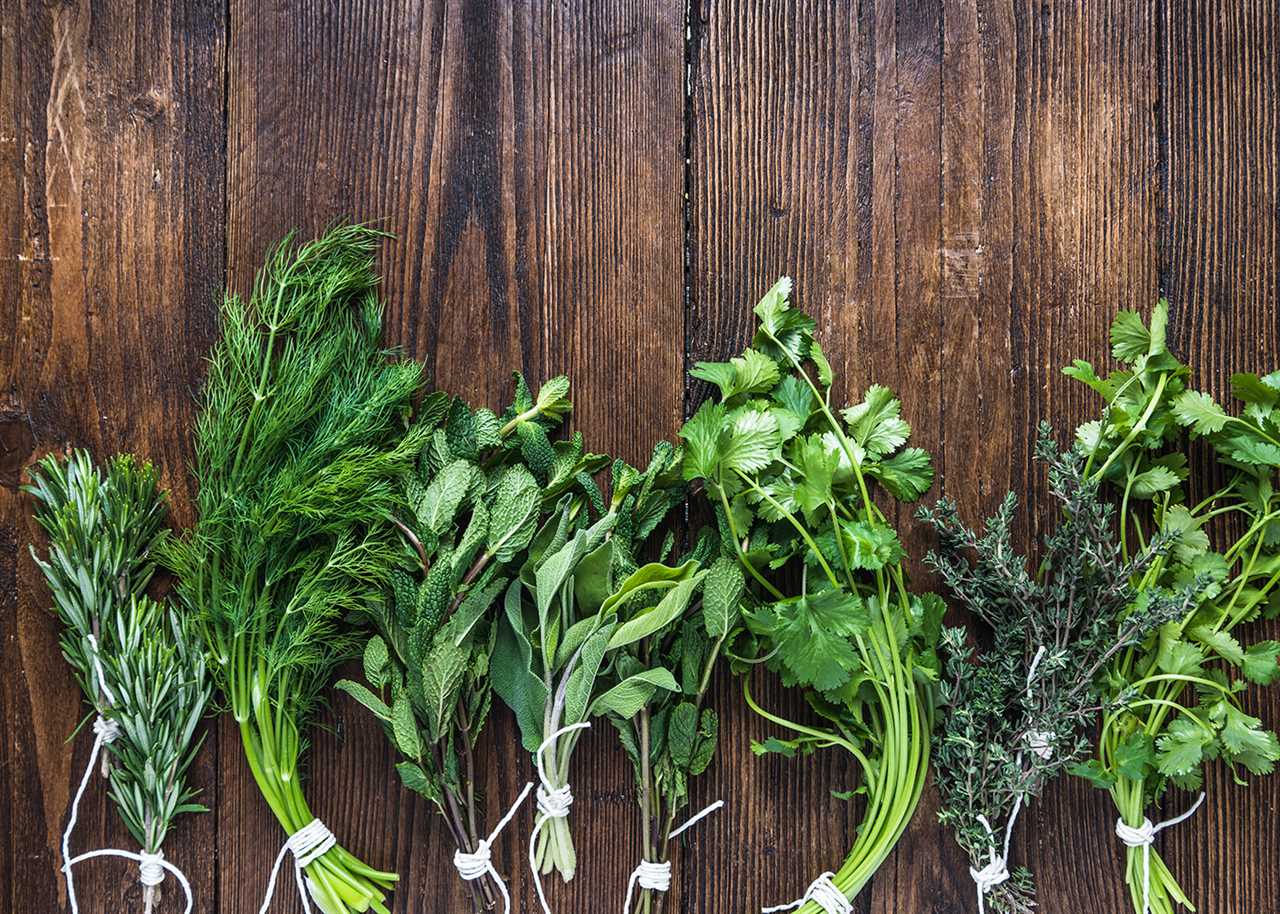 |
Mother in the Mountains: Picking Delicious Herbs for Soup, Country LifeMother in the Mountains: Picking Delicious Herbs for Soup, Country Life |
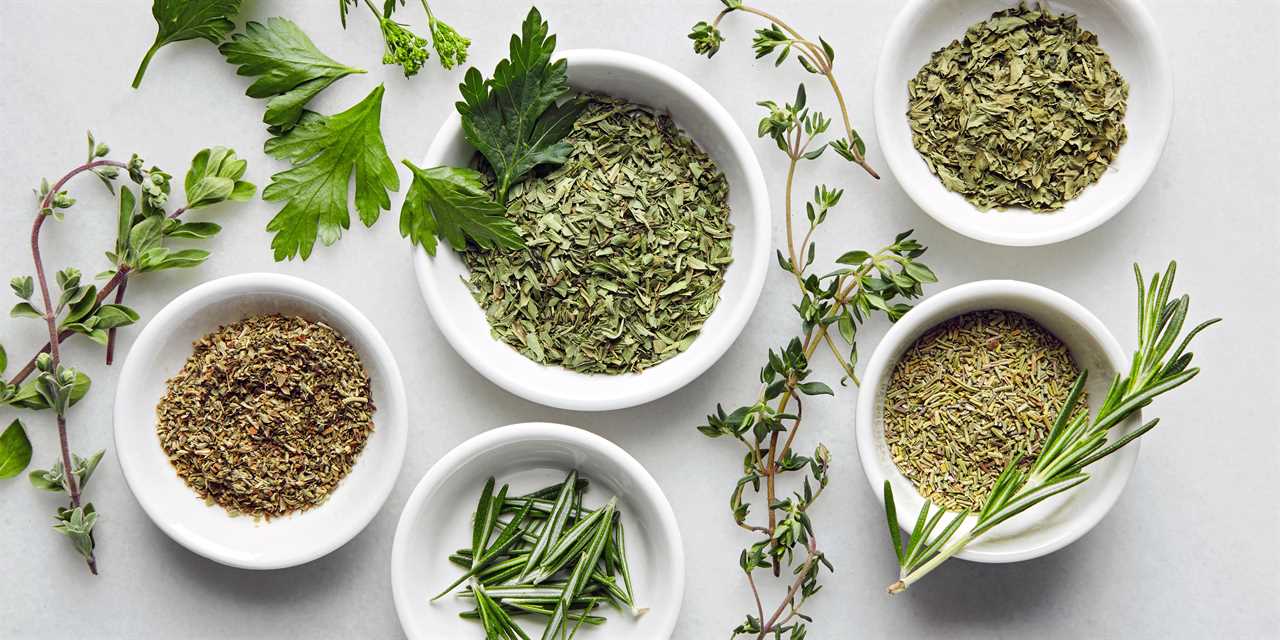 |
Gordon''s Guide To HerbsHerbs are a vital aspect of cooking, here is a quick guide to some herbs that are easily attainable. #GordonRamsay #Cooking Gordon Ramsay's Ultimate |
 |
10 Vegetables and Herbs PERFECT for SHADE Garden SpotsLack of sunny garden spots got you down? We've got you covered! Here are 10 vegetables and herbs we've personally vetted will thrive - or at least tolerate - a |
 |
Planting Herbs in Containers: Oregano, Chives, Thyme, Mints, Basil, Sage, Rosemary, LavenderPlease Visit The Rusted Garden Seed & Garden Shop:: https://www.therustedgarden.com/ The basics for getting transplant herbs into your containers. It is a |
|
Dr. Sebi''s Method for Cleansing and Revitalizing The Body - 2 Steps To HealingDr Sebi Methodology to Cleanse (Detox) and Revitalize the Body Download Dr. Sebi's Nutrition Guide: http://bit.ly/DrSebiNutritionGuide Website To Order |
 |
Salt Pepper and Herb Topped Chicken CrownSalt Pepper and Herb Topped Chicken Crown This Chicken crown comes from Aldi and is topped with salt, pepper and herbs, all adding to the flavour of the |
 |
The Magick of Mugwort | Magickal Herbal Profile | Properties of HerbsToday I want to try a new format and share a magickal profile of an herb - starting with mugwort! Mugwort is a beautiful magickal herb with rich connections to |
 |
Harvesting and Drying Herbs for Teas and Cooking Easy Spring Dish, Cooking on NatureDear friends, today we would like to share with you Harvesting and Drying Herbs for Teas and Cooking Easy Spring Dish video, we really hope you enjoy this |
|
Herbs: Deep Dive Into The World Of Alternative Medicine | Community ReportsThe use of herbal medicine has always been there with up to 80% of people worldwide relying on them for some part of primary healthcare. Dosage, regulations, |
|
15 Medicinal Herbs and Their Uses for This Fall | Herb Garden TourThese 15 medicinal herbs are easy to grow at home! Join me for an herbal garden tour and learn which medicinal herbs and their uses I'm growing for use all |
|
Tips For Dehydrating FoodsThe body reacts to dehydration by stimulating the thirst center, a powerful urge to drink fluids. However, if water intake does not match the amount.. |
 |
Join 10,000 Students Who Have Learned Herbs with Michael and Lesley Tierra - East West School of Planetary HerbologyLearn herbs from respected professional herbalists offering world-class herbalist training. The NEW Professional Herbalist Course includes courses on over 600 |
 |
How to Get Your Hands on TurmericTurmeric is one of the best natural remedies available for many ailments, from arthritis to cancer. Its properties are known for its powerful.. |
 |
Slippery Elm and EssiacSlippery elm is native to eastern North America and has numerous uses, including the treatment of GERD and irritable bowel syndrome. However,.. |
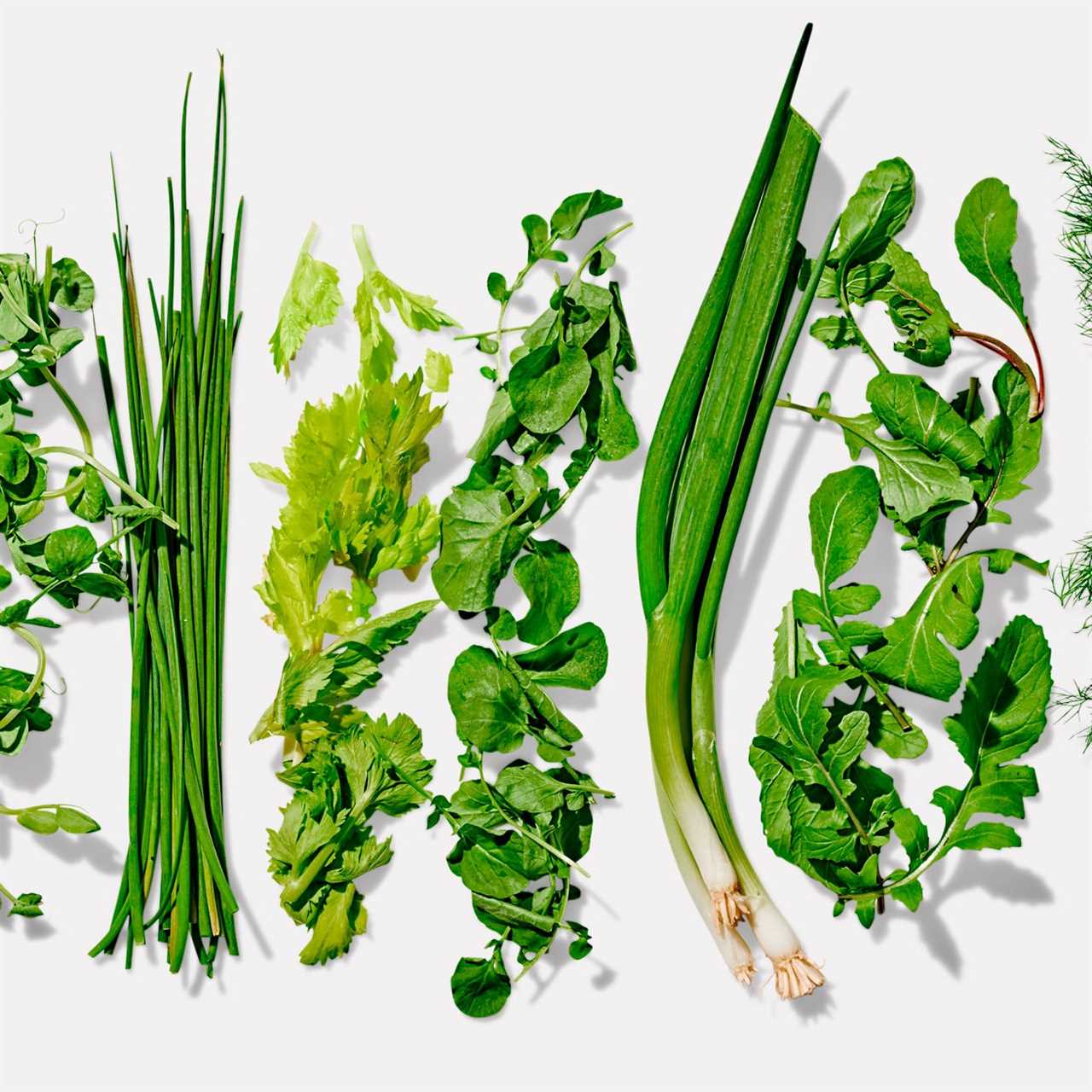 |
Health Benefits of DillDill is an annual herb in the celery family Apiaceae. It is the sole species of the genus Anethum and is widely cultivated in Eurasia. The herb is.. |
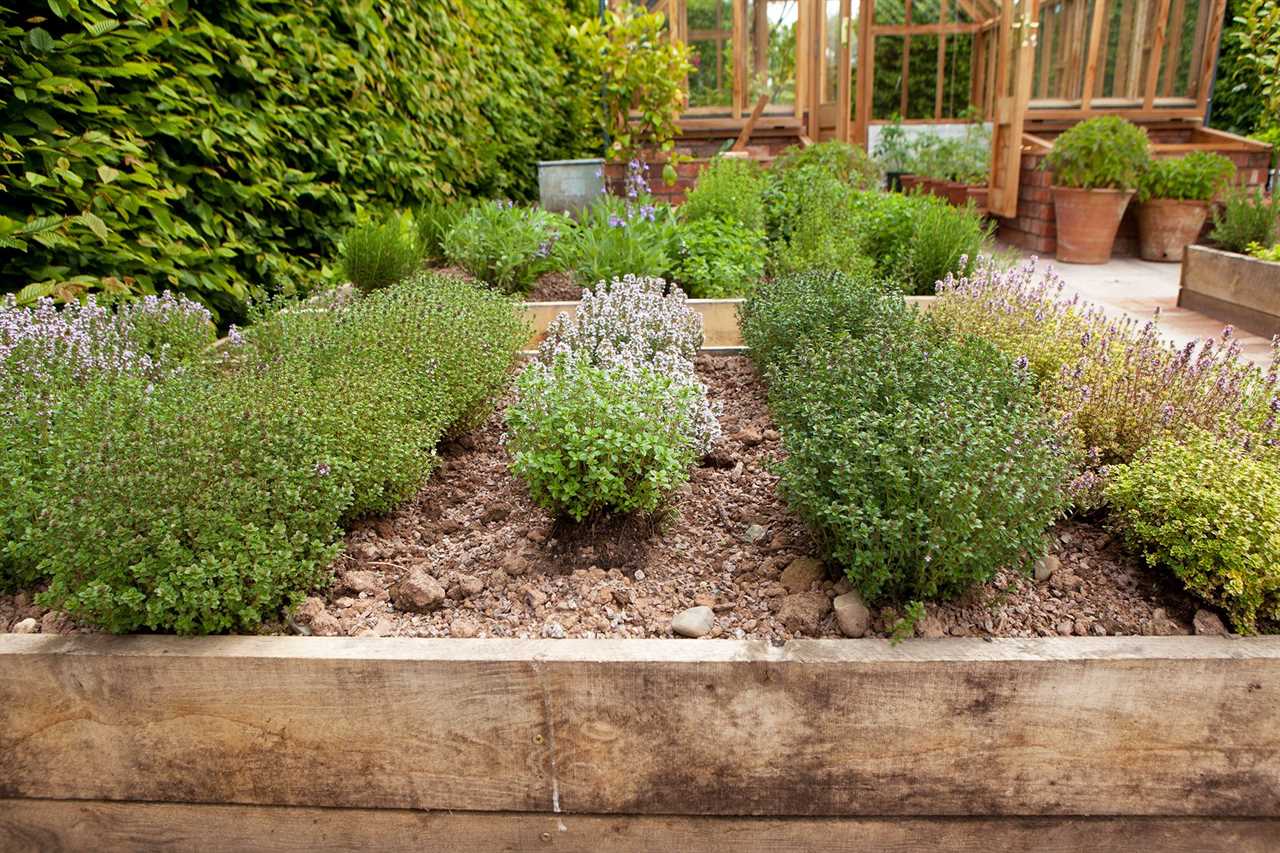 |
Licorice Root Benefits and Side EffectsLicorice is a flowering plant of the bean family, Fabaceae, and it is used as a sweetening agent. The root of Glycyrrhiza glabra is extracted for its |
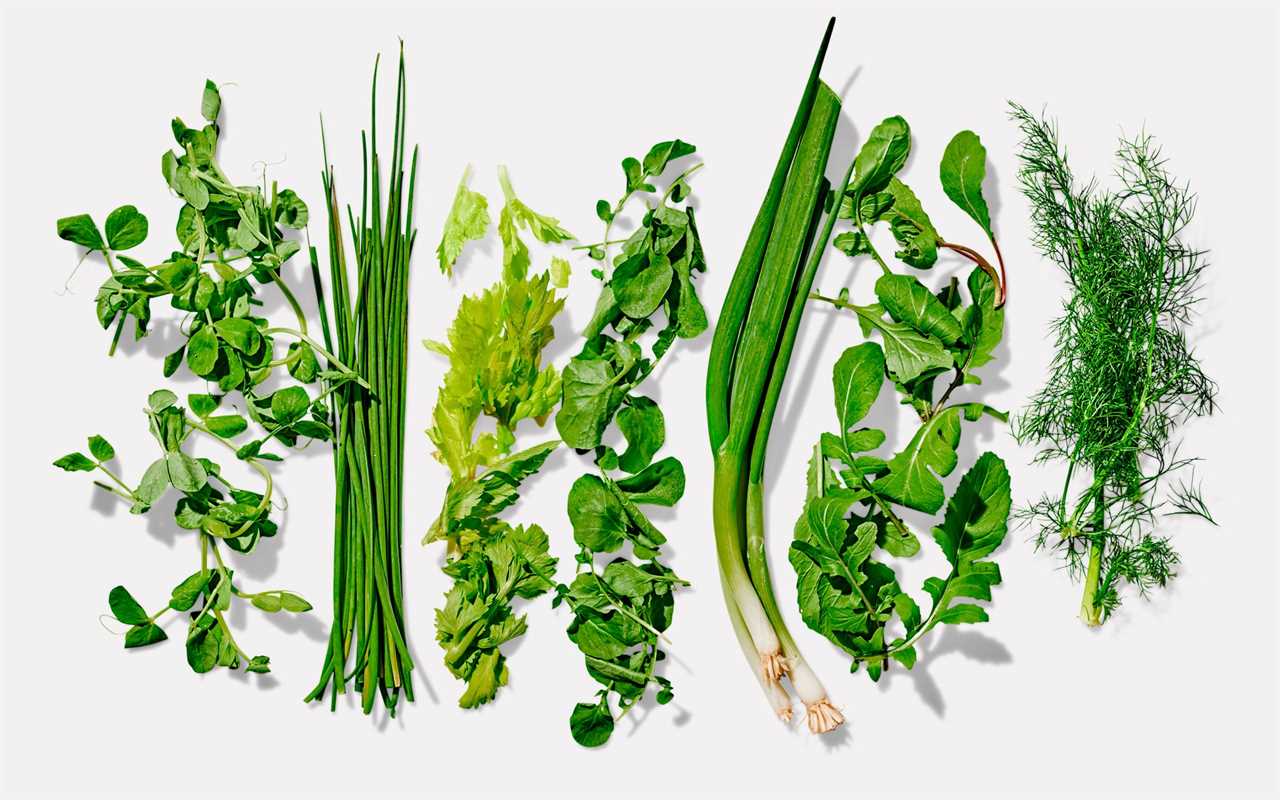 |
What Are the Benefits of Green Tea?Whether you're trying to lose weight or simply feel better, green tea is a great way to get the benefits you're looking for. It contains catechins.. |
|
The Best Way to Chop Fresh HerbsTo properly chop fresh herbs, you should purchase them in a deep green color and smell fresh. You should then wash them well under running water and.. |
|
Seasoned Baby PotatoesIf you're looking for a recipe for seasoned baby potatoes, you've come to the right place. Learn how to make seasoned potatoes with herbs and spices, |
|
Health Benefits of Italian ParsleyBefore using Italian parsley, rinse it thoroughly under cool water. This will help remove any dirt or dust that may be attached to the leaves. Wrap.. |
|
The Benefits of Herbal TeaHerbal teas are made from the infusion of plants and other plant materials. They are also known as herbal infusions or tisanes. Although there are.. |
|
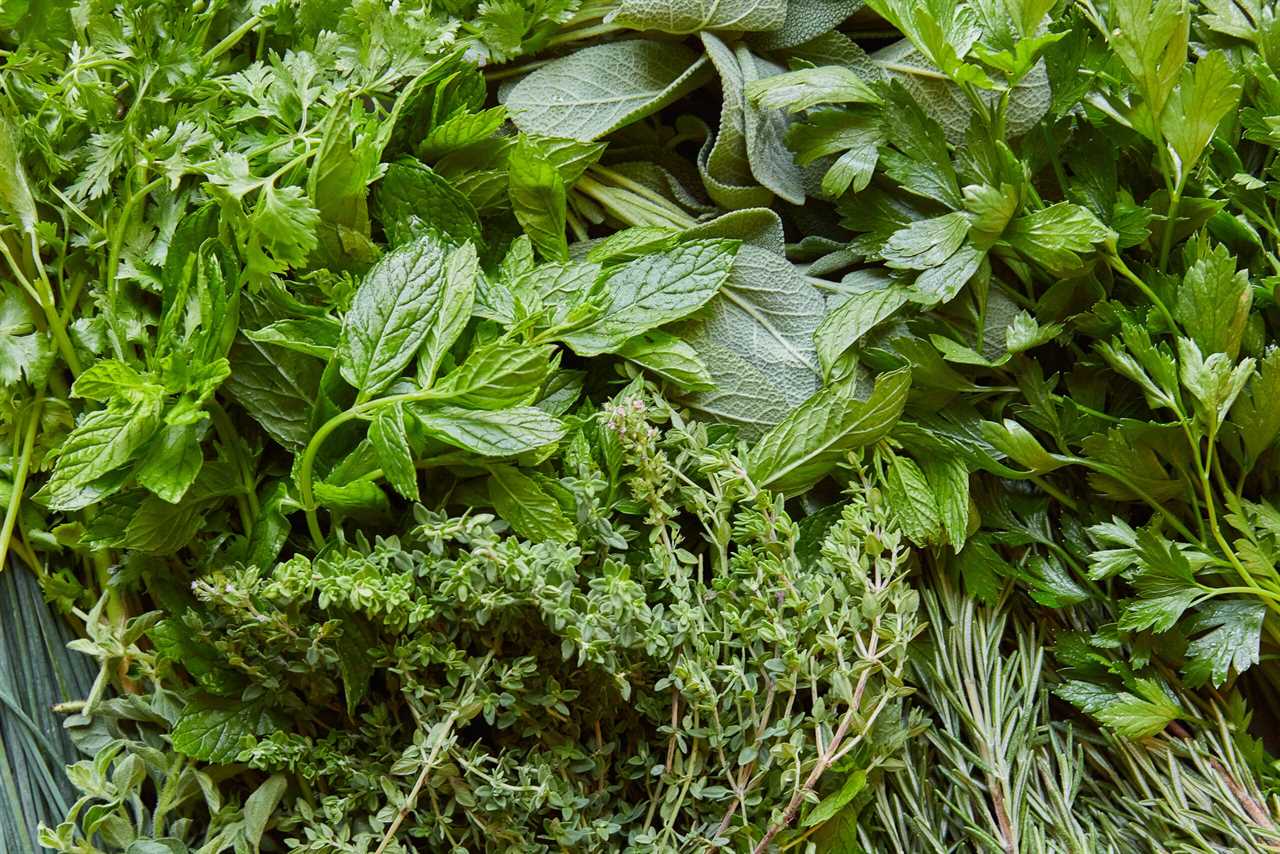
Herbs in Pots - How to Grow Delicious Herbs in PotsThere are many things to know when growing herbs in pots. The growing conditions, Containers, Soil amendments and watering are just a few of the.. |
 |
Choosing Annuals For Your Herb GardenIf you have ever wanted to have an herb garden, it is important to know that there are several important factors to keep in mind. Herbs require good.. |
 |
Home of HerbsFind out more about herbs and how to use them |
|
The Advantages of Substituting Dried Herbs For FreshThere are many advantages to substituting dried herbs for fresh. They are cheaper, more potent, and less dusty. These are the reasons that I prefer.. |
|
Substitute For Dried ParsleyIf you want to make a recipe without parsley, try using cilantro, dill, oregano, or sage instead. They are all delicious substitutes for dried.. |
|
Herbs That Grow in WaterThere are several types of herbs that grow in water. These include Cilantro, Thyme, Oregano, and Lavender. Here are some tips to help you grow these.. |
|
Perennial Herbs For Zone 4If you're in Zone 4 and are looking for perennial herbs, lemongrass and thyme are great choices. These plants thrive in cooler climates and can be.. |
 |
Tips For Growing MenthaA mint plant is a great choice for a water garden or small water feature. They have light lavender flowers, dark green leaves with purplish veining,.. |
|
Medicine From PlantsThe use of medicine from plants has long been an essential part of traditional Chinese medicine. This ancient practice involved a wide range of plant |
|
Ayurvedic Medicine Side EffectsAyurveda is an alternative medicine with historical roots in the Indian subcontinent. While its theory is considered pseudoscientific, it is still.. |
 |
Growing Herbs IndoorsGrowing herbs indoors has a number of benefits, including increased yield and reduced watering. It can also be beneficial for people who are.. |
|
6 Herbs High in MagnesiumMagnesium is an important mineral that plays an essential role in heart, brain, and musculoskeletal health. Since magnesium is required ... Read more |
|
Citrus Bergamot vs. Red Yeast Rice: Similarities & Differences ExplainedCitrus bergamot and red yeast rice are two herbs compared to each other due largely to their potential to reduce ... Read more |
|
Citrus Bergamot vs. Bitter Orange: Similarities & DifferencesCitrus bergamot and bitter orange are both popular herbs with health benefits for metabolism and weight loss. However, they both ... Read more |
 |
The Cup of LifeLike life, tea is what you make of it and The Cup of Life helps individuals enjoy tea in more than one way. Join me on my tea adventures through my blog! |
|
6 Herbs High in ZincZinc is an important trace element that contributes to immune function, tissue repair, and gene synthesis. Since zinc is involved ... Read more |
|
5 Herbs High in PotassiumPotassium is a mineral that plays a crucial role in maintaining overall health and wellness, especially for muscle and nerve ... Read more |
|
Feb 14, How to Use Ground Ivy with Val AlcornIt’s always exciting to hear about a little-known herb with powerful medicinal action. Join this conversation about ground ivy with Val Alcorn! |
|
Feb 21, Benefits of Calamus Root with jim mcdonaldJoin me and my friend and herbalist jim mcdonald as we discuss the benefits of calamus root, including clearing away mental cobwebs and enhancing your focus. |
|
Mar 1, Cottonwood BenefitsJoin me in this episode all about cottonwood and find out why it has been used as medicine and to make a variety of tools for thousansa of years! |
|
Mar 7, The medicine of calamus root (rhizome) and leaves with Karyn SandersIt was an honor and a deep pleasure to have this informative conversation about calamus root benefits with Karyn Sanders. Join us in this new episode! |
|
Mar 14, Dandelion with Nancy PhillipsLet's sit down and discuss dandelion with herbalist and author, Nancy Phillips |
|
Delicious Elderberry Syrup Gummies for Cold Flu & SleepElderberry syrup is immune enhancing and protective against colds and flu. It’s one of my favorite natural remedies for avoiding or beating the flu. These flu |
|
Helpful Plant Remedies For Anxiety And StressFeeling anxiety and stress lately? Are you feeling frustrated and wish you could just find a way to relax? Do you find that your heart is usually beating |
|
Tomato Tea, A Natural Cold and Flu RemedyThis tea really works! You can literally feel your sinuses opening up. It’s an immune booster so even if you’re not sick drink this when others around you are |
|
What Are Digestive Bitters And Should You Take Bitters?Bitters are a drink you sip before a meal to aid in healthy digestion. Traditional diets contained bitter foods because of their digestive action. The bitter |
 |
Tony Gebely · Tea Epicure · Taste DifferentlyA tea assessment platform that rates teas based on objective quality markers and a sensory evaluation resulting in a list of the best teas produced each year. |
 |
Motherwort Has Amazing Benefits For Your BodyMotherwort (Leonurus cardiaca) is found growing in the wild in vacant lots and gardens. It’s easy to spot as motherwort grows to a height of 5 feet and has |