.png)
If you have a secret recipe or an article perfect for sharing on our blog section, don't hesitate to let us know at [email protected] -- everyone has something extraordinary to offer and we can't wait to hear yours! Join us as we explore delicious flavors around the globe!
For now, love yourself and enjoy this one ...
Elecampane is a favorite remedy for respiratory problems that I have used over the years. It has been a great choice for restorative and medicinal purposes, as well as its many medical benefits. Elecampane can be used in tinctures or as a syrup. It is an essential herb for herbalists.
Today's blog post will explain
- Elecampane’s pungent, aromatic taste and how it corresponds with its core respiratory properties
- This herb is a primary remedy for respiratory problems
- The link between Elecampane & homesickness
- Elecampane's correspondence with the Sun and Air Element
- How to make medicinal remedies using Elecampane
Elecampane is a radiant, tall plant that grows in the garden. It has bright yellow flowers and a deep-scented root. This herb is excellent for treating a cold or damp cough. Elecampane is a wonderful herb to use when winter is upon us, and the cold is creeping up. It provides warmth and vitality for the body and mind, and revitalizes it from the inside like the sun.
Taste
Elecampane, a pungent, hot-spicy, and aromatic plant, is known for its spicy, hot, and fragrant taste. Elecampane's distinctive flavor is due to its richness in volatile essential oils. There is some bitterness and acridity in this herb. Because of its potency, however, the herb's pungency can override other flavors. The bitter taste is indicative of a drying and draining effect. However, the acridity indicates antispasmodic as well as relaxant properties. All these properties are demonstrated in the herb's organ affinities and herbal actions.
Affinities
Elecampane can be used as a primo remedy for respiratory problems. I consider it to have core organ affinity. This herb is unique because it relieves acute respiratory problems and restores the innate functionality of the lungs after they become damaged or worn down from chronic, long-term, or frequent respiratory illnesses.
Elecampane also has a strong affinity for the digestive system. Elecampane is a stimulant and aromatic volatile oil and resin that supports digestive health. These oils and resins increase circulation and dispel gas. They also help break down food and prepare it to be eliminated. Elecampane's warming and drying properties are especially helpful in damp, mucoid and stagnant digestive conditions that cause slow digestion and persistent feeling of heavyness after eating.
It will also affect the cardiovascular system and circulation via its pungency. This drives blood flow and warms the body. It is not a cardio-remedy per se but it has a positive impact on circulation due to its stimulating properties.
Actions
When I think Elecampane, the main herbal action that springs to mind is its stimulant expectorant properties. Expectorants, as the name implies, expel mucus from your lungs. Not all expectorants work the same. You might find many herbs listed if you open an herbalism book, such as Marshmallow, Verbascum thapsus, and Elecampane. There are many types of expectorants. Each one is indicated for different respiratory conditions and has a different energetic.
Elecampane causes irritation to the respiratory mucosa via its volatile oils, resins and stimulant effects. It stimulates these tissues and encourages productive cough. Elecampane is used to treat a cold, damp and phlegmatic, with hard-to-expel mucus. This is sometimes called an "unproductive cough". This can cause excessive coughing and little or no relief. Elecampane dissolves the mucus and stimulates the tissues for a deeper cough that clears the lungs.
Elecampane has a stimulating and warming effect. This herb is great for breaking a fever. Elecampane draws blood to the skin surface, opens capillary beds and warms the person, allowing them to produce sweat and stop the fever.
Elecampane, a respiratory trophorestorative and a rare herbal action in Western Materia Medica, is a respiratory trophorestorative. This refers to the ability of an organ or system to function normally again. Elecampane helps clear chronic pectoral conditions, re-establish proper mucosal secretions and strengthen the lungs. Elecampane is a powerful treatment to consider if you have persistent respiratory conditions, a lingering infection-related cough, or dyspnea.
Matthew Wood mentions Elecampane's benefits for those suffering from asthma. This herb's bitterness relaxes muscle tension and spasms, allowing you to take deep and more satisfying breaths.
Elecampane has antiseptic and volatile oils that affect the immune system. Elecampane is excellent for treating bacterial infections, particularly if the mucus color is yellow-green. Elecampane is believed to cause the mucus to thin out and turn clear. This is a sign that the infection has cleared.
Elecampane is effective in expectorating mucus, and it can be used to treat nausea-causing mucoid digestion. If there is a lot of mucus within the lungs, it can get into the stomach leading to nausea and indigestion. Either way, excess phlegm from the stomach can get into the lungs. Elecampane's mild bitter tonic action will drain excess kapha or dampness from either situation. Elecampane, which is antiseptic and has a mild bitter tonic effect, is great for clearing up infection and moving lymph when there is stagnation.
Elecampane, a prebiotic herb, is the final. Prebiotic plants are those that have fiber which feeds the beneficial bacteria living in your gut. It can stimulate the repopulation in your gut with beneficial bacteria, and can be used for strengthening and healing the digestive system. Inulin, the prebiotic polysaccharide found in Elecampane is the most prominent. It's named after the Latin genus Elecampane: Inula.
Energetics
Elecampane is warming and pungent. According to Greek tradition, Elecampane can be described as warming in the third degree. This means that it thins fluids and pushes heat up to the surface to create sweat. This is illustrated by its stimulant diaphoretic property, circulatory property and warming effects on the stomach and lungs.
Elecampane, although it slightly increases the mucilage content of the lungs in this herb, is considered to be a net-drying. Because you lose fluids when you sweat or cough up mucus. Elecampane can also dry due to its warming volatile oil and resins. Elecampane can be mildly relaxing for tissue tone. This can be attributed to the acrid flavor, which relaxes muscle tension. Elecampane's stimulant diaphoretic and expectorant effects, as well as its circulatory effects, make it stimulating.
Elecampane is known for its ability to reduce excess kapha dosha. Elecampane balances cold, dampness and heaviness in kapha through its warming, drying and stimulating properties.
Elecampane can cause pitta to become more severe due to its warmth, pungency and oiliness. It can, however, make vata dry and it may be best to combine with moistening herbs.
According to the Physiomedicalists Elecampane can be used for cold/depression or damp/stagnation states. Elecampanes, which has stimulant, pungent and warming properties, restores vitality to organs in the event of cold/depression. Elecampanes' expectorant and drying properties make it an ideal remedy for damp or stagnant conditions that are characterized by thickened fluids and excess mucus, which can be difficult to drain.
Emotional and psychological aspects
It has similar effects to Elecampane's warming, uplifting effect on the skin. It also brings these qualities to your mind. Elecampane can be used to treat loneliness and grief. It is especially useful for those who are feeling homesick or feel like they have lost their home. Elecampane can reduce the depression that can result and brighten the mind with its optimistic, sun-like energy.
Alchemical Correspondences
Elecampane is governed by the Sun to me. Elecampane, with its bright yellow sun-like flowers and pungent and fragrant root, brings warmth and vitality into the whole body and mind. Elecampane increases blood flow to the skin, lungs, and gut and improves organ function. It lifts the mood associated with homelessness and loss of place, literal or metaphorical. It balances the Moon's excess, since the Moon rules the fourth House, which can impact your relationships with family and home. Elecampane's stimulating, warming, and drying sun-like properties counter the damp, cold energies associated with the Moon.
The Sun is often associated with warmth in medical astrology. Elecampane is not a chi tonic, rasayana, or adaptogen. However, it has a restorative effect on the digestive system and brings in radiant heat and energy that support overall vitality.
Elecampane, in elemental terms, is associated with the Air Element. This can be seen in Elecampane's affinity for the respiratory system and its ability to lift the heart during times of separation from your 'root'.
It would be alchemically related to the Salt Principle. This refers to the Earth Elements and Water Elements. This relationship is evident in the way it affects, restores and revitalizes the body, particularly the digestive system. This relationship is also evident in the overall strength and robust appearance of the root, which is the main part of the plant that can be used as medicine.
Growing
Elecampane is a beautiful yellow flower with large, broad leaves. Elecampane can grow to be very tall and may even fall over. This is a great sign for plants that are high in Earth/Water/Salt principles. Elecampane is a plant that will bring a sense of presence to your garden.
This perennial herb is native to Europe and parts Asia. Although it thrives in sunlit areas and well-drained soils this herb is quite adaptable to any conditions. Elecampane is dependent on light to germinate. To ensure that the seeds can grow, place them on top of your soil. Sprinkle a layer of vermiculite over top.
Preparation
Elecampane's medicinal parts are the roots. You should leave them to grow for at least two years before you pull them out and use them. They will grow and mature to their full potential. Harvest them in the fall, after they have become dormant. You can also harvest them before they flower in the spring. You can also divide the roots and further propagate them so that the herb grows without becoming too dense in the soil.
Once you have harvested the roots, wash them thoroughly and make a tincture. The roots are high in volatile oils, resins and they can be made into tinctures with a high alcohol content. It can be between 80, 90, or 95% alcohol.
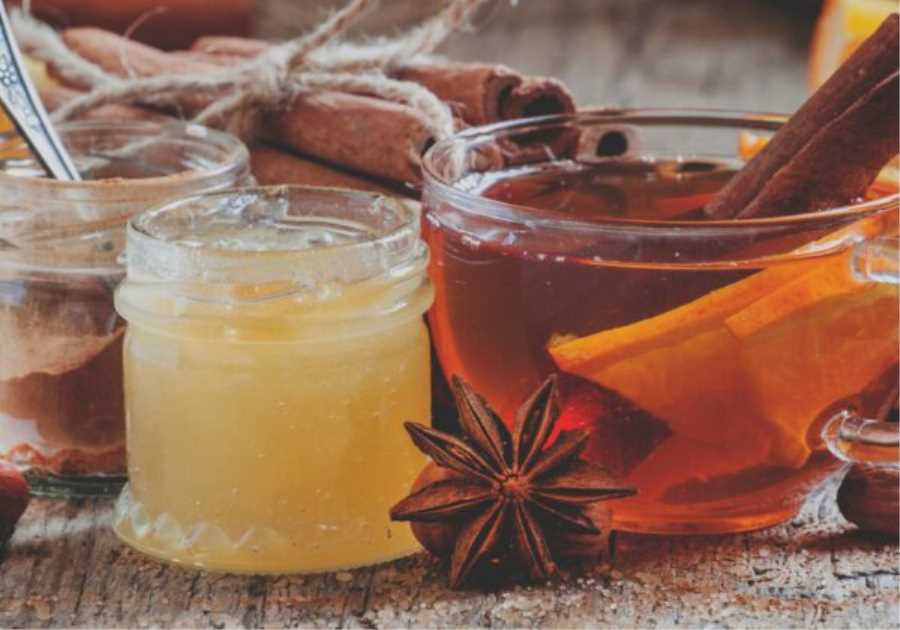
For bronchial infections, you can make a cough syrup using Elecampane. It pairs well with other aromatic warming herbs such as Pleurisy root, Asclepias tubrosa, and Ginger (Zingiberofficinale). A syrup is a thick decoction made with honey and brandy. However, many only contain a sweetener without alcohol. Finally, you can clean and cut the roots to dry them for later use in a decoction or other medicinal making projects.
Elecampane's warming, spicy and warming aroma cuts through winter's frigid temperatures. Its revitalizing stimulant property also wakes up the mind and body. Elecampane is a great plant for winter work due to its affinity with the respiratory system, deep trophorestorative, and replenishing properties.
Prebiotic Decoction
2 parts Dandelion root Taraxacum herbale ?
2 parts Burdock root
1 part Elecampane root (Inula Helenium)
1/2 part Marshmallow root, Althea officinalis
To prevent the mixture from drying out, it combines prebiotic rich plants with moistening Marshmallow roots. Each herb should be added to a small pot. Add 1 cup water for each tablespoon. Bring the mixture to a simmer and cover. Continue cooking for 45 minutes or until the liquid is reduced by half. Strain, pour and enjoy.
The first appearance of Elecampane: The Deep Breather was on The School of Evolutionary Herbalism.
Frequently Asked Questions
What is the difference between "regular" and smoked paprika powder?
Regular Paprika Powder (Piment d'Espelette) is an essential ingredient for our recipes. We use it for its intense flavor and color. It's also used as a spice and seasoning agent. Smoked Paprika Powder (Paprika Chorizo) adds a smoky taste and aroma to dishes. Both types of Paprika Powder come from Spain, where they grow the best peppers in the world.
Smoked Paprika Powder (Chorizo Paprika) is made from red peppers, which are dried slowly in special ovens. This gives them a rich flavor. They are then ground and mixed with salt, garlic, and spices.
Regular Paprika Powder (Espelette Paprika) is made by grinding green bell peppers without additives.
What plant helps with infection?
There are plants out there that help fight infections. Some even contain anti-bacterial properties. One of them is mint.
Mint has been used for centuries to treat respiratory infections such as cold symptoms and flu. Mint also supports digestion and relieves gas pains. You may find relief with peppermint tea if you have an upset stomach. Peppermint oil has antibacterial properties, which make it effective against germs.
Peppermint tea contains menthol, beta-carotene, vitamin C, calcium, magnesium, iron, and potassium. These nutrients support healthy immune systems and provide energy to keep your body strong.
You can make peppermint tea at home by adding one teaspoon of dried mint leaves to boiling water. Let steep for five minutes and drink hot three times per day.
Or you can buy peppermint tea bags at any grocery store. Simply add two teaspoons of dried mint leaves to a cup of hot water. Steep for 10 minutes and strain. Drink hot three times per day for best results.
Which herbs are healing herbs?
If you look for healing herbs, you won’t find them in the supermarket. There isn’t any place to buy them. There is no store selling them.
You haven’t been able to find healing herbs because they aren’t sold anywhere. They are grown right here in our backyard.
Healing herbs are plants that grow naturally in North America. Like many common household items, these herbs grow throughout the United States and Canada.
These herbs treat minor ailments such as colds, flu, sore throats, coughs, and headaches. Many of these herbs have been used for centuries to help heal wounds and promote overall health.
Of course, when we say “heal,” we mean more than simply treating an illness. We also refer to the ability of these herbs to restore balance and harmony within ourselves and the world around us.
For example, the chamomile herb helps relieve stress. This means that if you feel stressed out, you may benefit from taking chamomile tea. Chamomile tea has been shown to reduce anxiety and nervous tension.
In addition, chamomile tea has been proven effective in relieving insomnia.
Chamomile tea has many other benefits, including its ability to ease stomach aches and gas pains and even improve digestion.
Another popular healing herb is Echinacea. Echinacea is known for helping to fight infections and boosting the immune system.
Echinacea is commonly taken internally and externally to fight infection, prevent viral diseases, and boost immunity. It is safe to use during pregnancy and lactation.
Echinacea also helps reduce muscle pain and inflammation. You can take echinacea orally or topically (as an ointment).
This herb is available in both liquid and capsule form. Liquid echinacea is often mixed with honey and lemon juice. The mixture is then strained and consumed.
Capsules are usually made of freeze-dried plant material. They contain standardized amounts of active ingredients. To use capsules, swallow one or two a day.
The third type of herbal remedy is called tincture. Tinctures are alcoholic extracts of herbs. They are typically used to treat internal problems. Tinctures are generally diluted before being ingested.
Tinctures can be taken orally or applied topically. For oral consumption, dilute tinctures with water. Some people prefer to mix tinctures with food.
Tinctures are easy to prepare. Put about one tablespoon of dried herb into a bottle containing enough alcohol to cover the herb completely. Allow the mixture to sit for several weeks. Then strain and consume.
You may want to try some of these natural remedies to see which ones work best.
Statistics
- Studies have shown that cinnamon can lower fasting blood sugars by 10-29% in diabetic patients, which is a significant amount (9Trusted Source10Trusted (healthline.com)
- The global herbs market is expected to reach more than $125 billion by the end of 2025.
External Links
ncbi.nlm.nih.gov
- Antioxidant capacity of 26 spice extracts and characterization of their phenolic constituents - PubMed
- Cinnamon: A Multifaceted Medicinal Plant - PMC
amazon.com
mskcc.org
- Ashwagandha | Memorial Sloan Kettering Cancer Center
- Grape Seed | Memorial Sloan Kettering Cancer Center
pubmed.ncbi.nlm.nih.gov
How To
How do I know if my herbs have been treated with pesticides?
If you see a pesticide label on your herbs, the plants were sprayed with chemicals before being sold to you.
These chemicals harm human health and could cause cancer or other serious illnesses.
Unfortunately, this practice has become common around the globe. Many countries allow farmers to spray their crops with pesticides without proper regulation.
In order not to harm themselves, consumers should always ask about the source of their produce. If it comes from a farmer near you, it’s safe to assume it was not treated with pesticides.
However, there are still ways to ensure that your herbs are free from harmful chemicals.
However, if you want to ensure that your herbs aren’t contaminated, you can purchase organic herbs directly from the farm.
This way, you won’t need to worry about the safety of your herbs. You can trust that they weren’t exposed to harmful chemicals.
Resources:
 |
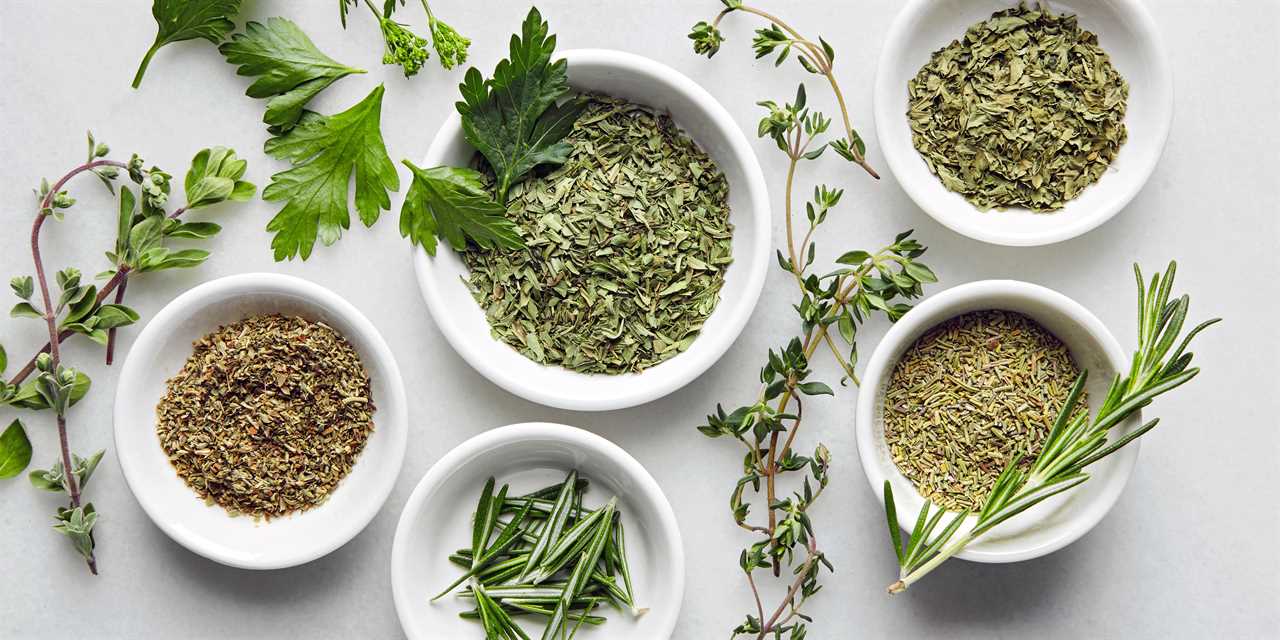
Mother in the Mountains: Picking Delicious Herbs for Soup, Country LifeMother in the Mountains: Picking Delicious Herbs for Soup, Country Life |
 |
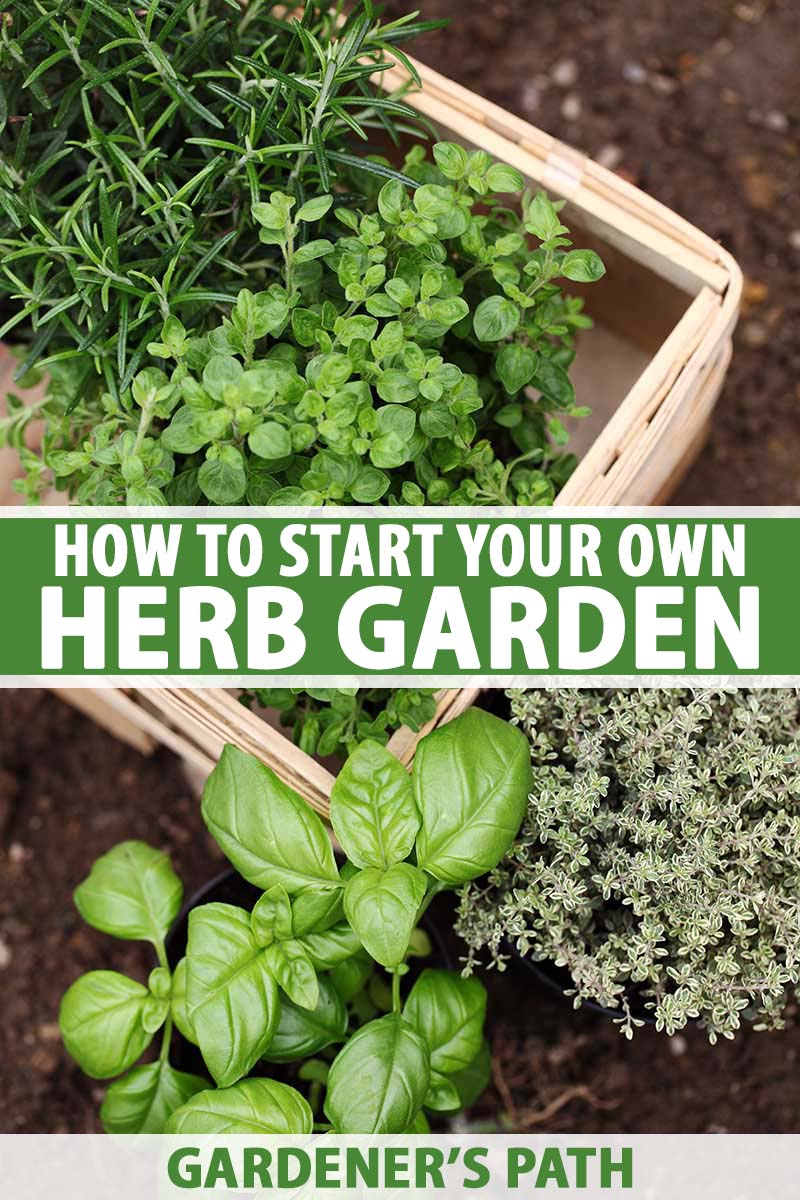
Gordon''s Guide To HerbsHerbs are a vital aspect of cooking, here is a quick guide to some herbs that are easily attainable. #GordonRamsay #Cooking Gordon Ramsay's Ultimate |
 |
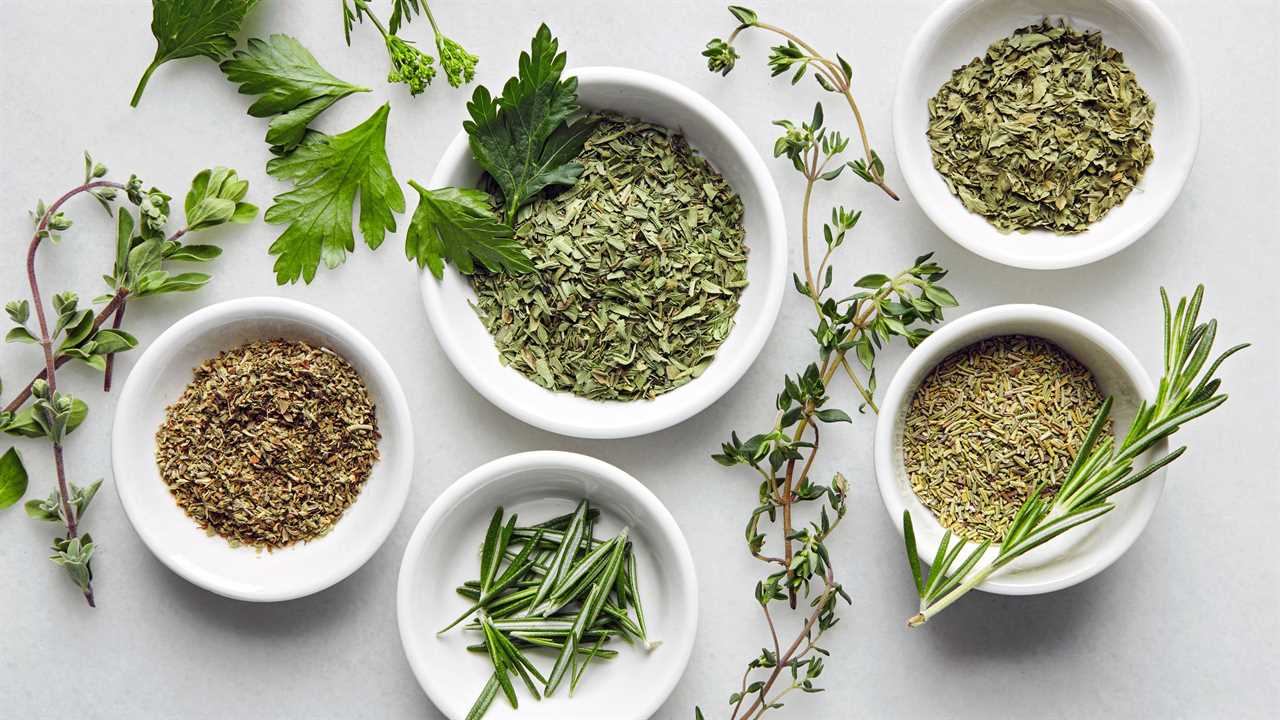
10 Vegetables and Herbs PERFECT for SHADE Garden SpotsLack of sunny garden spots got you down? We've got you covered! Here are 10 vegetables and herbs we've personally vetted will thrive - or at least tolerate - a |
 |
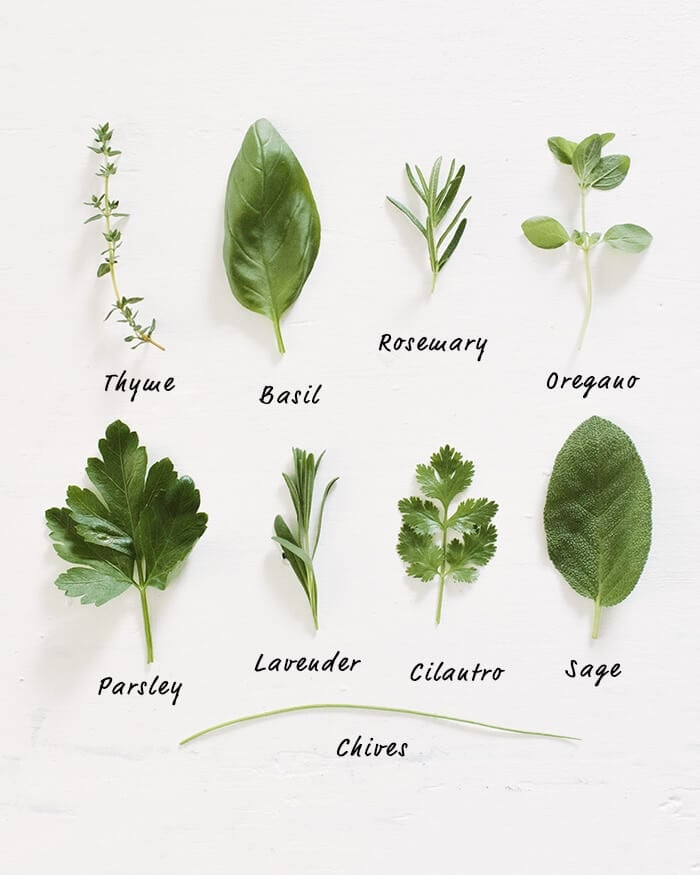
Planting Herbs in Containers: Oregano, Chives, Thyme, Mints, Basil, Sage, Rosemary, LavenderPlease Visit The Rusted Garden Seed & Garden Shop:: https://www.therustedgarden.com/ The basics for getting transplant herbs into your containers. It is a |
|
Dr. Sebi''s Method for Cleansing and Revitalizing The Body - 2 Steps To HealingDr Sebi Methodology to Cleanse (Detox) and Revitalize the Body Download Dr. Sebi's Nutrition Guide: http://bit.ly/DrSebiNutritionGuide Website To Order |
 |
Salt Pepper and Herb Topped Chicken CrownSalt Pepper and Herb Topped Chicken Crown This Chicken crown comes from Aldi and is topped with salt, pepper and herbs, all adding to the flavour of the |
 |
The Magick of Mugwort | Magickal Herbal Profile | Properties of HerbsToday I want to try a new format and share a magickal profile of an herb - starting with mugwort! Mugwort is a beautiful magickal herb with rich connections to |
 |
Harvesting and Drying Herbs for Teas and Cooking Easy Spring Dish, Cooking on NatureDear friends, today we would like to share with you Harvesting and Drying Herbs for Teas and Cooking Easy Spring Dish video, we really hope you enjoy this |
|
Herbs: Deep Dive Into The World Of Alternative Medicine | Community ReportsThe use of herbal medicine has always been there with up to 80% of people worldwide relying on them for some part of primary healthcare. Dosage, regulations, |
|
15 Medicinal Herbs and Their Uses for This Fall | Herb Garden TourThese 15 medicinal herbs are easy to grow at home! Join me for an herbal garden tour and learn which medicinal herbs and their uses I'm growing for use all |
|
Tips For Dehydrating FoodsThe body reacts to dehydration by stimulating the thirst center, a powerful urge to drink fluids. However, if water intake does not match the amount.. |
 |
Join 10,000 Students Who Have Learned Herbs with Michael and Lesley Tierra - East West School of Planetary HerbologyLearn herbs from respected professional herbalists offering world-class herbalist training. The NEW Professional Herbalist Course includes courses on over 600 |
 |
How to Get Your Hands on TurmericTurmeric is one of the best natural remedies available for many ailments, from arthritis to cancer. Its properties are known for its powerful.. |
 |
Slippery Elm and EssiacSlippery elm is native to eastern North America and has numerous uses, including the treatment of GERD and irritable bowel syndrome. However,.. |
 |
Health Benefits of DillDill is an annual herb in the celery family Apiaceae. It is the sole species of the genus Anethum and is widely cultivated in Eurasia. The herb is.. |
 |
Licorice Root Benefits and Side EffectsLicorice is a flowering plant of the bean family, Fabaceae, and it is used as a sweetening agent. The root of Glycyrrhiza glabra is extracted for its |
 |
What Are the Benefits of Green Tea?Whether you're trying to lose weight or simply feel better, green tea is a great way to get the benefits you're looking for. It contains catechins.. |
|
The Best Way to Chop Fresh HerbsTo properly chop fresh herbs, you should purchase them in a deep green color and smell fresh. You should then wash them well under running water and.. |
|
Seasoned Baby PotatoesIf you're looking for a recipe for seasoned baby potatoes, you've come to the right place. Learn how to make seasoned potatoes with herbs and spices, |
|
Health Benefits of Italian ParsleyBefore using Italian parsley, rinse it thoroughly under cool water. This will help remove any dirt or dust that may be attached to the leaves. Wrap.. |
|
The Benefits of Herbal TeaHerbal teas are made from the infusion of plants and other plant materials. They are also known as herbal infusions or tisanes. Although there are.. |
|
Herbs in Pots - How to Grow Delicious Herbs in PotsThere are many things to know when growing herbs in pots. The growing conditions, Containers, Soil amendments and watering are just a few of the.. |
 |
Choosing Annuals For Your Herb GardenIf you have ever wanted to have an herb garden, it is important to know that there are several important factors to keep in mind. Herbs require good.. |
 |
Home of HerbsFind out more about herbs and how to use them |
|
The Advantages of Substituting Dried Herbs For FreshThere are many advantages to substituting dried herbs for fresh. They are cheaper, more potent, and less dusty. These are the reasons that I prefer.. |
|
Substitute For Dried ParsleyIf you want to make a recipe without parsley, try using cilantro, dill, oregano, or sage instead. They are all delicious substitutes for dried.. |
|
Herbs That Grow in WaterThere are several types of herbs that grow in water. These include Cilantro, Thyme, Oregano, and Lavender. Here are some tips to help you grow these.. |
|
Perennial Herbs For Zone 4If you're in Zone 4 and are looking for perennial herbs, lemongrass and thyme are great choices. These plants thrive in cooler climates and can be.. |
 |
Tips For Growing MenthaA mint plant is a great choice for a water garden or small water feature. They have light lavender flowers, dark green leaves with purplish veining,.. |
|
Medicine From PlantsThe use of medicine from plants has long been an essential part of traditional Chinese medicine. This ancient practice involved a wide range of plant |
|
Ayurvedic Medicine Side EffectsAyurveda is an alternative medicine with historical roots in the Indian subcontinent. While its theory is considered pseudoscientific, it is still.. |
 |
Growing Herbs IndoorsGrowing herbs indoors has a number of benefits, including increased yield and reduced watering. It can also be beneficial for people who are.. |
|
6 Herbs High in MagnesiumMagnesium is an important mineral that plays an essential role in heart, brain, and musculoskeletal health. Since magnesium is required ... Read more |
|
Citrus Bergamot vs. Red Yeast Rice: Similarities & Differences ExplainedCitrus bergamot and red yeast rice are two herbs compared to each other due largely to their potential to reduce ... Read more |
|
Citrus Bergamot vs. Bitter Orange: Similarities & DifferencesCitrus bergamot and bitter orange are both popular herbs with health benefits for metabolism and weight loss. However, they both ... Read more |
 |
The Cup of LifeLike life, tea is what you make of it and The Cup of Life helps individuals enjoy tea in more than one way. Join me on my tea adventures through my blog! |
|
6 Herbs High in ZincZinc is an important trace element that contributes to immune function, tissue repair, and gene synthesis. Since zinc is involved ... Read more |
|
5 Herbs High in PotassiumPotassium is a mineral that plays a crucial role in maintaining overall health and wellness, especially for muscle and nerve ... Read more |
|
Feb 14, How to Use Ground Ivy with Val AlcornIt’s always exciting to hear about a little-known herb with powerful medicinal action. Join this conversation about ground ivy with Val Alcorn! |
|
Feb 21, Benefits of Calamus Root with jim mcdonaldJoin me and my friend and herbalist jim mcdonald as we discuss the benefits of calamus root, including clearing away mental cobwebs and enhancing your focus. |
|
Mar 1, Cottonwood BenefitsJoin me in this episode all about cottonwood and find out why it has been used as medicine and to make a variety of tools for thousansa of years! |
|
Mar 7, The medicine of calamus root (rhizome) and leaves with Karyn SandersIt was an honor and a deep pleasure to have this informative conversation about calamus root benefits with Karyn Sanders. Join us in this new episode! |
|
Mar 14, Dandelion with Nancy PhillipsLet's sit down and discuss dandelion with herbalist and author, Nancy Phillips |
|
Delicious Elderberry Syrup Gummies for Cold Flu & SleepElderberry syrup is immune enhancing and protective against colds and flu. It’s one of my favorite natural remedies for avoiding or beating the flu. These flu |
|
Helpful Plant Remedies For Anxiety And StressFeeling anxiety and stress lately? Are you feeling frustrated and wish you could just find a way to relax? Do you find that your heart is usually beating |
|
Tomato Tea, A Natural Cold and Flu RemedyThis tea really works! You can literally feel your sinuses opening up. It’s an immune booster so even if you’re not sick drink this when others around you are |
|
What Are Digestive Bitters And Should You Take Bitters?Bitters are a drink you sip before a meal to aid in healthy digestion. Traditional diets contained bitter foods because of their digestive action. The bitter |
 |
Tony Gebely · Tea Epicure · Taste DifferentlyA tea assessment platform that rates teas based on objective quality markers and a sensory evaluation resulting in a list of the best teas produced each year. |
 |
Motherwort Has Amazing Benefits For Your BodyMotherwort (Leonurus cardiaca) is found growing in the wild in vacant lots and gardens. It’s easy to spot as motherwort grows to a height of 5 feet and has |
Did you miss our previous article...
https://belovedsaffron.com/herbs/southwest-scrub-bath-blend-of-the-month