.png)
Saffron is our love affair; a culinary crescendo that evokes a warmth of its own. But cooking is so much more than a single ingredient — it’s also about respect. It’s about respecting people from different cultures who dedicate their lives to creating something extraordinary with every dish they serve; family meals or five-star restaurants alike.
And that’s why we’re inviting everyone to join us – to share their recipes, explore new flavors and be part of something special. We know everyone has something delicious to offer!
For now, love yourself and enjoy this one ...
Nothing can compare to a Curry Tree. The curry leaves' faint, spicy, and heady aroma transports you from the British climate into the tropical tropics. These leaves are not to be confused with curry powder. They are an essential ingredient in South Indian cuisine and can also be used in many vegetarian dishes. Unfortunately, fresh curry leaves can be difficult to find in the UK because they are not easily dried and don't travel well. Also, nothing can compare to their unique aroma with a hint curry.
Our Curry Tree plants will be available in late spring 2022. They will then be 18 months old. We have a wishlist and will work to reduce it as soon as they are available. To be added to the wish list, please email [email protected]
The background for the Curry Tree
The Curry Tree ( Berbera koenigii is a sub-tropical tree of the Rutaceae family (the rue family that includes rue, citrus and satinwood) and is native to Asia.
This is a small tree or bush that can grow from 4 m to under 6 m (13 to under 20 feet) high and has a bipinnate leaf pattern. In summer, the Curry Leaf produces fragrant white flowers that then bear small, berry-like fruits with one hard stone at the centre. The berries turn dark purple as they mature and are sweet but not good enough to be eaten. The seed must be removed before use as it is poisonous.
Depending on where you live, the Curry Tree may also be called curry leaf or curry bush. It's flowers, fruits, and appearance are similar to the famed, medicinal Neem Trees of India . The leaves aren't bitter and it is often called Meetha Neem Sweet Neem. The Curry Tree is not to be confused with the Curry plant ( Heichrysum Italicum).
How to Grow a Curry Tree
Soil
They can grow in any type of soil in India. It can be grown in a well-drained potting soil in the UK.
Temperature
The frost-tender nature of curry trees means that they can grow more vigorously when temperatures reach at least 18 degrees Celsius (65 degrees Fahrenheit). Ours are grown at Jekka’s Herb Farm in a greenhouse that maintains temperatures above 9degC. Winter is a time when the tree loses its leaves. It is still alive, just resting. In winter, they can feel a little sorry for themselves, especially if it's overcast for a few days. They will be strong again in spring if they are given the right care.
Light
They are sensitive to the length of daylight and may struggle in winter's short, dark days. This can be overcome by placing them in a bright spot.
Watering
In winter, we reduce the amount of watering. From December through February, we water sparingly and are careful not to overwater until the plants have established some new season growth.
Jekka recommends watering when the soil is dry. In summer, however, you can be generous and allow the water to flow right through the pot. Your plant should not be allowed to sit in water.
Jekka's top tip to encourage growth is to use organic seaweed for every few waterings. Jekka's encourages growth by providing Food on Fridays during the growing season.
Pests
Our experience shows that insects and pests find Curry Trees just as delicious as we do. Aphids, scale, and mealy bugs are common pests on young growth. As a sustainable way to remove or control these pests, we recommend SBInvigorator.
Growing the Curry Tree In the UK
These trees can be difficult to grow from seeds because the seed is only viable for a very short time. We don't sell seed because of this and the fact that they are very rare in this country.
Jekka is proud to have managed, after 35 years of hard work, to sell the Curry Tree in the UK. We have very few available.
Seed must be fresh and ripe before they can be planted. The seeds will not be viable if they are dried or shrivelled. The best results were achieved using fresh seed. You can plant the entire fruit, but it is better to remove the pulp first.
Jekka sows in her potting mix, which is well-draining and has a little bit of grit. It is important to keep the soil moist, but not too wet, but also not to dry the compost.
Curry Tree: Culinary uses
Fresh leaves are the best way to enjoy their flavour. Indian traditional medicine and Indian cuisine are dependent on fresh leaves. They are used most often in Indian cuisine on the west and south coasts. To get authentic curry flavour, you can also use them fresh like bay leaves. They are great in soups, sauces and stews.
Storing Fresh Curry Leaves
Curry Leaves can be stored in many ways if they are not available often. How to store them
- You can either leave them on the stalks or remove them from the stalks.
- After washing, dry the leaves well. Then, spread them on a towel, newspaper, or other covering for 12 hours in shade, or in a warm area or conservatory until all the water is gone. Any water that gets on the leaves can cause them to 'burn'.
-
You can do this:
- Seal the bag by pressing down on the air. Place them in a plastic bag, press to remove as much air as possible, and seal.
- Wrap them in a towel and place in a bag in the vegetable drawer.
- Keep them out of direct sunlight-light and in sealed jars.
- If you are unable to buy them often, freeze them. You can remove as many as you like and then use them straight from the freezer without having to defrost.
We recommend that leaves be crushed before being stored.
Uses for medicinal purposes.
When curry leaves are combined with food, they help with digestion.
Want more information?
You can find advice on how to grow and maintain herbs in Jekka's Seasonal Tips blog series. This includes tips for what to do with your herb garden in the early spring, mid-summer, summer, autumn, winter, and late spring. These are the foundation of Jekka’s guide to growing herbs.
You can also visit Jekka’s herbs of month blogs: Bay, Rosemary (February), French Tarragon(March), Angelica (May), Alliums/June), Lavender/July), Basil/August), Mint/September, Szechuan Pepper/October and Thyme/November
You can order herb plants from our South Gloucestershire herb farm or at one our Open Days, or Herb Experiences (see events calendar). For availability, please see our Interested List. You can also use our webform to send your list to us ([email protected]). Although we no longer offer general mail ordering for our plants, we do offer limited Jekka’s Culinary Herb Boxes.
Frequently Asked Questions
Is basil good for kidneys?
The answer is yes. Basil is an excellent food for kidney health. It contains potassium which helps reduce high blood pressure. It also contains vitamin K, which is essential for bone strength. As well as this, it is rich in antioxidants which help protect against heart disease.
Basil is great for digestion too. It contains digestive enzymes that break down protein and carbohydrates. This makes it easier to absorb nutrients from your meals.
Basil is a wonderful addition to any diet. Try sprinkling some over pasta dishes, salads, soups, and sandwiches. Or add little stir-fried vegetables, chicken, fish, meat, and tofu.
It's delicious in pesto sauce and fresh in salad dressings. You'll find many recipes online where you can learn how to cook with basil.
Try making basil oil by adding a few drops of pure olive oil to a jar filled with chopped basil leaves. Let it steep overnight, and then strain out the leaves. Use the oil as a massage oil or rub it onto your skin.
It will leave your skin soft and smooth.
What herb is best for healing?
Herbs are a fantastic way to help heal our bodies. Herbal medicine has been used since ancient times and continues to grow today. There are thousands of herbs known to cure various ailments.
Some herbs are excellent for treating colds and flu, while others can treat anxiety, depression, arthritis, cancer, diabetes, heart disease, and more.
There are also herbal remedies for skin care, hair loss, weight loss, sexual health, energy, sleep, digestion, and much more.
The list goes on and on. But one herb stands above them all regarding its ability to heal. That herb is called aloe vera.
Aloe Vera is considered to be the world's most powerful healer. For centuries it has helped people heal themselves naturally without any side effects.
It's incredible how well aloe vera works. It's even better than prescription drugs and surgery.
In addition to its natural healing properties, aloe vera is highly versatile and can be used in almost any area of life, including food, beauty products, and household cleaning supplies.
You may not realize this, but aloe vera contains hundreds of active compounds, which include vitamins A, C, E, B1, B2, B3, B6, folic acid, calcium, magnesium, iron, zinc, copper, sulfur, manganese, phosphorus, potassium, sodium, chloride, fluoride, iodine, selenium and more.
These nutrients are essential for human body functions such as cell growth, metabolism, immune system support, healthy bones and teeth, healthy blood pressure levels, healthy eyesight, healthy cardiovascular systems, healthy digestive systems, healthy lungs, healthy nervous system, healthy reproductive organs, healthy skin, and healthy libido.
Is eating raw basil good for you?
I'm sure everyone knows that fresh herbs are great for cooking but did you know that you could eat them too? Raw, uncooked herbs are packed full of nutrients and vitamins that we normally have to cook.
They contain more antioxidants than any fruit or vegetable. And they also help our immune systems stay strong and healthy.
The best way to enjoy these delicious little green gems is to eat them raw from the garden. But there's nothing wrong with enjoying them cooked, either. They taste even better when sautéed in olive oil and served alongside pasta or rice.
There are lots of ways to incorporate raw herbs into recipes. Add them to salads, soups, sandwiches, wraps, omelets, stir-fries, and pesto.
Just make sure you wash them well first!
Statistics
- For those with high cholesterol, garlic supplementation appears to reduce total and/or LDL cholesterol by about 10-15% (72Trusted Source73Trusted (healthline.com)
- The global herbs market is expected to reach more than $125 billion by the end of 2025.
External Links
ncbi.nlm.nih.gov
- Antioxidant capacity of 26 spice extracts and characterization of their phenolic constituents - PubMed
- Cinnamon: A Multifaceted Medicinal Plant - PMC
pubmed.ncbi.nlm.nih.gov
onlinelibrary.wiley.com
doi.org
How To
How to use herbs safely?
Many people think that herbs should only be used under medical supervision because they believe that some herbs are poisonous. However, this is not true.
Many herbs have long histories of safe use. For example, garlic has been used for thousands of years to fight infections. It's also been shown to lower cholesterol levels and reduce high blood pressure.
However, if you're pregnant or nursing, avoid taking certain herbs. You should also avoid them if you suffer from allergies or sensitivities to herbs.
You can do several things to ensure you get the best results from your herbs and supplements. First, always read labels before consuming anything containing herbs or spices. Second, take the lowest dose recommended on the label. Third, don't use more than one supplement at any given time. Fourth, talk to your doctor about how to combine specific herbs and supplements. Finally, keep track of your consumption to know whether you need to adjust your dosage.
Resources:
 |
Mother in the Mountains: Picking Delicious Herbs for Soup, Country LifeMother in the Mountains: Picking Delicious Herbs for Soup, Country Life |
 |
Gordon''s Guide To HerbsHerbs are a vital aspect of cooking, here is a quick guide to some herbs that are easily attainable. #GordonRamsay #Cooking Gordon Ramsay's Ultimate |
 |
10 Vegetables and Herbs PERFECT for SHADE Garden SpotsLack of sunny garden spots got you down? We've got you covered! Here are 10 vegetables and herbs we've personally vetted will thrive - or at least tolerate - a |
 |
Planting Herbs in Containers: Oregano, Chives, Thyme, Mints, Basil, Sage, Rosemary, LavenderPlease Visit The Rusted Garden Seed & Garden Shop:: https://www.therustedgarden.com/ The basics for getting transplant herbs into your containers. It is a |
|
Dr. Sebi''s Method for Cleansing and Revitalizing The Body - 2 Steps To HealingDr Sebi Methodology to Cleanse (Detox) and Revitalize the Body Download Dr. Sebi's Nutrition Guide: http://bit.ly/DrSebiNutritionGuide Website To Order |
 |
Salt Pepper and Herb Topped Chicken CrownSalt Pepper and Herb Topped Chicken Crown This Chicken crown comes from Aldi and is topped with salt, pepper and herbs, all adding to the flavour of the |
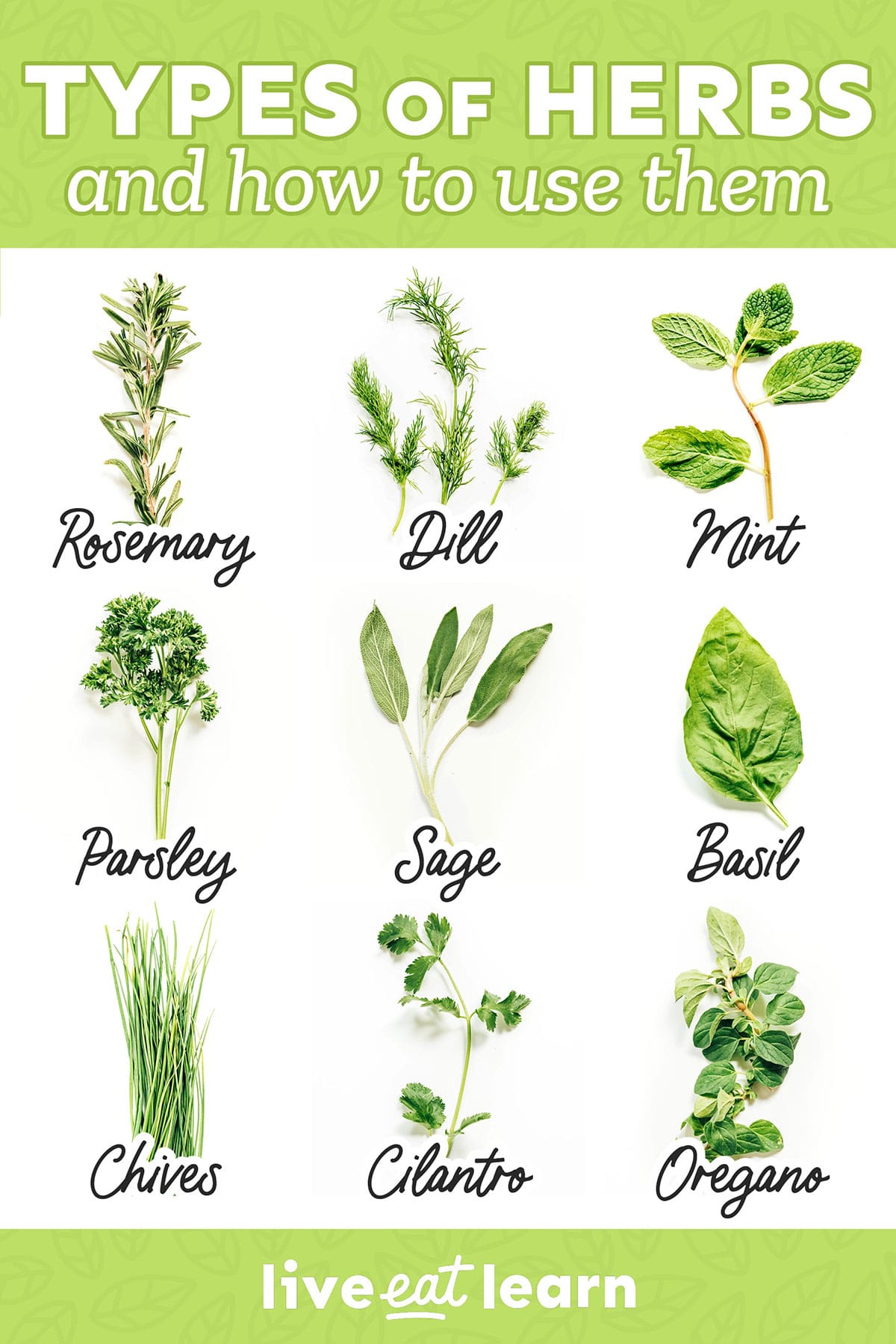 |
The Magick of Mugwort | Magickal Herbal Profile | Properties of HerbsToday I want to try a new format and share a magickal profile of an herb - starting with mugwort! Mugwort is a beautiful magickal herb with rich connections to |
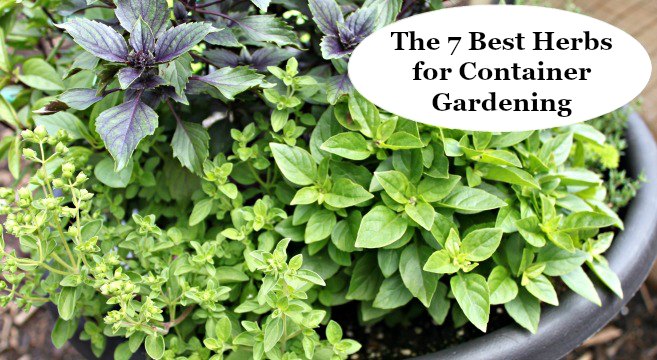 |
Harvesting and Drying Herbs for Teas and Cooking Easy Spring Dish, Cooking on NatureDear friends, today we would like to share with you Harvesting and Drying Herbs for Teas and Cooking Easy Spring Dish video, we really hope you enjoy this |
|
Herbs: Deep Dive Into The World Of Alternative Medicine | Community ReportsThe use of herbal medicine has always been there with up to 80% of people worldwide relying on them for some part of primary healthcare. Dosage, regulations, |
|
15 Medicinal Herbs and Their Uses for This Fall | Herb Garden TourThese 15 medicinal herbs are easy to grow at home! Join me for an herbal garden tour and learn which medicinal herbs and their uses I'm growing for use all |
|
Tips For Dehydrating FoodsThe body reacts to dehydration by stimulating the thirst center, a powerful urge to drink fluids. However, if water intake does not match the amount.. |
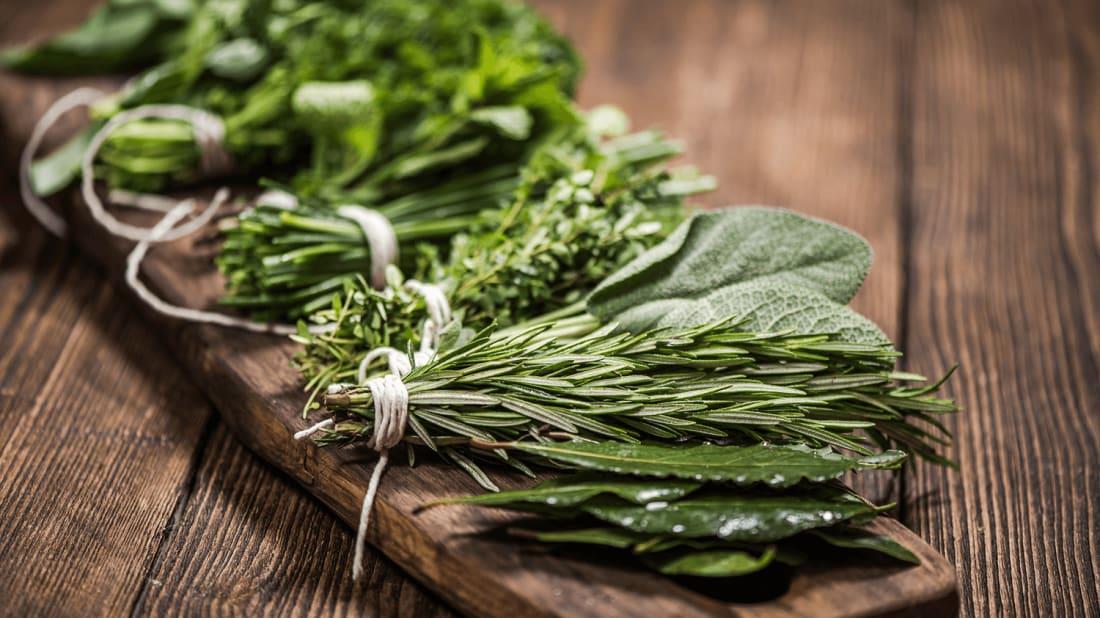 |
Join 10,000 Students Who Have Learned Herbs with Michael and Lesley Tierra - East West School of Planetary HerbologyLearn herbs from respected professional herbalists offering world-class herbalist training. The NEW Professional Herbalist Course includes courses on over 600 |
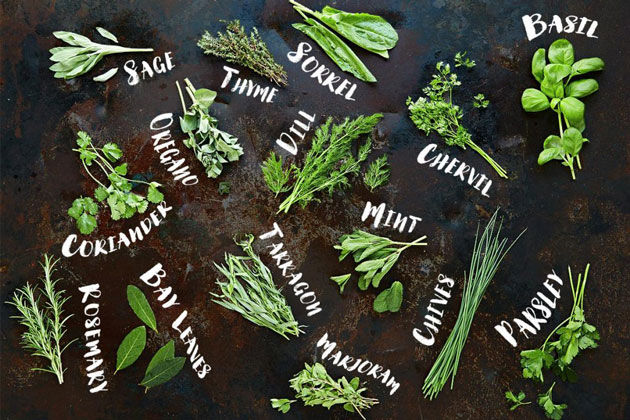 |
How to Get Your Hands on TurmericTurmeric is one of the best natural remedies available for many ailments, from arthritis to cancer. Its properties are known for its powerful.. |
 |
Slippery Elm and EssiacSlippery elm is native to eastern North America and has numerous uses, including the treatment of GERD and irritable bowel syndrome. However,.. |
 |
Health Benefits of DillDill is an annual herb in the celery family Apiaceae. It is the sole species of the genus Anethum and is widely cultivated in Eurasia. The herb is.. |
 |
Licorice Root Benefits and Side EffectsLicorice is a flowering plant of the bean family, Fabaceae, and it is used as a sweetening agent. The root of Glycyrrhiza glabra is extracted for its |
 |
What Are the Benefits of Green Tea?Whether you're trying to lose weight or simply feel better, green tea is a great way to get the benefits you're looking for. It contains catechins.. |
|
The Best Way to Chop Fresh HerbsTo properly chop fresh herbs, you should purchase them in a deep green color and smell fresh. You should then wash them well under running water and.. |
|
Seasoned Baby PotatoesIf you're looking for a recipe for seasoned baby potatoes, you've come to the right place. Learn how to make seasoned potatoes with herbs and spices, |
|
Health Benefits of Italian ParsleyBefore using Italian parsley, rinse it thoroughly under cool water. This will help remove any dirt or dust that may be attached to the leaves. Wrap.. |
|
The Benefits of Herbal TeaHerbal teas are made from the infusion of plants and other plant materials. They are also known as herbal infusions or tisanes. Although there are.. |
|
Herbs in Pots - How to Grow Delicious Herbs in PotsThere are many things to know when growing herbs in pots. The growing conditions, Containers, Soil amendments and watering are just a few of the.. |
 |
Choosing Annuals For Your Herb GardenIf you have ever wanted to have an herb garden, it is important to know that there are several important factors to keep in mind. Herbs require good.. |
 |
Home of HerbsFind out more about herbs and how to use them |
|
The Advantages of Substituting Dried Herbs For FreshThere are many advantages to substituting dried herbs for fresh. They are cheaper, more potent, and less dusty. These are the reasons that I prefer.. |
|
Substitute For Dried ParsleyIf you want to make a recipe without parsley, try using cilantro, dill, oregano, or sage instead. They are all delicious substitutes for dried.. |
|
Herbs That Grow in WaterThere are several types of herbs that grow in water. These include Cilantro, Thyme, Oregano, and Lavender. Here are some tips to help you grow these.. |
|
Perennial Herbs For Zone 4If you're in Zone 4 and are looking for perennial herbs, lemongrass and thyme are great choices. These plants thrive in cooler climates and can be.. |
 |
Tips For Growing MenthaA mint plant is a great choice for a water garden or small water feature. They have light lavender flowers, dark green leaves with purplish veining,.. |
|
Medicine From PlantsThe use of medicine from plants has long been an essential part of traditional Chinese medicine. This ancient practice involved a wide range of plant |
|
Ayurvedic Medicine Side EffectsAyurveda is an alternative medicine with historical roots in the Indian subcontinent. While its theory is considered pseudoscientific, it is still.. |
 |
Growing Herbs IndoorsGrowing herbs indoors has a number of benefits, including increased yield and reduced watering. It can also be beneficial for people who are.. |
|
6 Herbs High in MagnesiumMagnesium is an important mineral that plays an essential role in heart, brain, and musculoskeletal health. Since magnesium is required ... Read more |
|
Citrus Bergamot vs. Red Yeast Rice: Similarities & Differences ExplainedCitrus bergamot and red yeast rice are two herbs compared to each other due largely to their potential to reduce ... Read more |
|
Citrus Bergamot vs. Bitter Orange: Similarities & DifferencesCitrus bergamot and bitter orange are both popular herbs with health benefits for metabolism and weight loss. However, they both ... Read more |
 |
The Cup of LifeLike life, tea is what you make of it and The Cup of Life helps individuals enjoy tea in more than one way. Join me on my tea adventures through my blog! |
|
6 Herbs High in ZincZinc is an important trace element that contributes to immune function, tissue repair, and gene synthesis. Since zinc is involved ... Read more |
|
5 Herbs High in PotassiumPotassium is a mineral that plays a crucial role in maintaining overall health and wellness, especially for muscle and nerve ... Read more |
|
Feb 14, How to Use Ground Ivy with Val AlcornIt’s always exciting to hear about a little-known herb with powerful medicinal action. Join this conversation about ground ivy with Val Alcorn! |
|
Feb 21, Benefits of Calamus Root with jim mcdonaldJoin me and my friend and herbalist jim mcdonald as we discuss the benefits of calamus root, including clearing away mental cobwebs and enhancing your focus. |
|
Mar 1, Cottonwood BenefitsJoin me in this episode all about cottonwood and find out why it has been used as medicine and to make a variety of tools for thousansa of years! |
|
Mar 7, The medicine of calamus root (rhizome) and leaves with Karyn SandersIt was an honor and a deep pleasure to have this informative conversation about calamus root benefits with Karyn Sanders. Join us in this new episode! |
|
Mar 14, Dandelion with Nancy PhillipsLet's sit down and discuss dandelion with herbalist and author, Nancy Phillips |
|
Delicious Elderberry Syrup Gummies for Cold Flu & SleepElderberry syrup is immune enhancing and protective against colds and flu. It’s one of my favorite natural remedies for avoiding or beating the flu. These flu |
|
Helpful Plant Remedies For Anxiety And StressFeeling anxiety and stress lately? Are you feeling frustrated and wish you could just find a way to relax? Do you find that your heart is usually beating |
|
Tomato Tea, A Natural Cold and Flu RemedyThis tea really works! You can literally feel your sinuses opening up. It’s an immune booster so even if you’re not sick drink this when others around you are |
|
What Are Digestive Bitters And Should You Take Bitters?Bitters are a drink you sip before a meal to aid in healthy digestion. Traditional diets contained bitter foods because of their digestive action. The bitter |
 |
Tony Gebely · Tea Epicure · Taste DifferentlyA tea assessment platform that rates teas based on objective quality markers and a sensory evaluation resulting in a list of the best teas produced each year. |
 |
Motherwort Has Amazing Benefits For Your BodyMotherwort (Leonurus cardiaca) is found growing in the wild in vacant lots and gardens. It’s easy to spot as motherwort grows to a height of 5 feet and has |