.png)
Our mission also includes recognizing the many wonderful chefs and home cooks who dedicate themselves to creating delicious meals for their families or acclaimed restaurants worldwide.
We treasure any contributions you would like to make to our blog, or if you have a family recipe you'd like to share with our community, please reach out at [email protected]. You are amazing, and so should your tasty cooking!
For now, love yourself and enjoy this one ...
By Katherine Schlosser
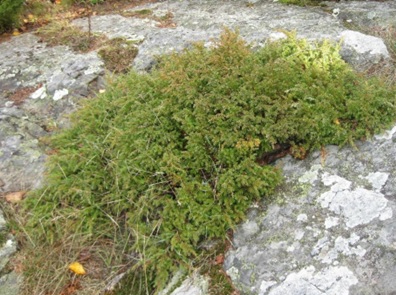 Though declared the most widespread of juniper species and appearing widely across the United States, there are eighteen states in which Juniperus communis does not grow as a native: NJ, DE, MD, WV, KY, MO, IA, NE, KS, OK, AR, TN, AL, MS, LA, TX, or HI. Those states may have other juniper species, or cultivated plants, but Juniperus communis is not native to their soil (Flora of North America)
Robert P. Adams identifies 18 Juniperus species in the continental U.S. with an additional five varieties and three forma (Adams, 2019). The Flora of North America includes 13 species. Globally, the number is higher, primarily in the Northern Hemisphere.
These perennial evergreens grow from one to four feet tall, generally in a shrub-like form sprawling across rocks or soil and occasionally—especially in the northeast—growing upright to as much as 30 feet tall or more. Seed cones mature in one to two years and will last for several months beyond maturity. Each cone bears 1‒13 wingless seeds.
 Well-known to us as the flavoring in gin, juniper species have been known in this country for many years for a multitude of purposes, from culinary, medicinal, and insect control to ceremonial and utility uses.
Several Indigenous Peoples tribal groups tied boughs of juniper to the tops of their homes to discourage lightning strikes (Murphey, 1990). Juniper bark and leaves were considered sacred and used ceremonially (Kavasch, 2005).
Medicinal uses were broad, including for treatment of high blood pressure, as a diuretic, and to improve the appetites of the elderly (Garrett, 2003). A salve was made of the oil from the cone, mixed with fat, to protect wounds from flies. Smoke from the burning wood or leaves was inhaled to treat colds and to repel insects. Tea was given to induce a speedy delivery, and in 14th-century Europe, in the midst of Black Death (bubonic plague), juniper tea was used to sterilize bandages (Harrington, 1967).
We have learned from history; and studies on the properties and efficacy of juniper essential oils continue, looking particularly at the antiseptic and antibiotic possibilities. The Food & Drug Administration has approved an oral medication to treat fungal infections (Cabello et al., 2010).
 There are many recipes for using juniper berries, which can now be found in the spice section of many grocery stores. While some may find the taste a bit strong or resinous, others find it adds wonderful flavor to meat dishes, vegetables, and even baked goods.
The scent of gin is prominent in crushed berries, which blend well with cheese and fruit. The berries (actually cones) can be eaten raw, but are most often dried. Even then, it is suggested that not too many be eaten at one time. Just a few will flavor enough meat or game for four people.
The essential oil of juniper is composed primarily of monoterpene hydrocarbons such as α-pinene, myrcene, sabinene, limonene, and β-pinene, lending some familiar lemony, spicy, and piney scents.
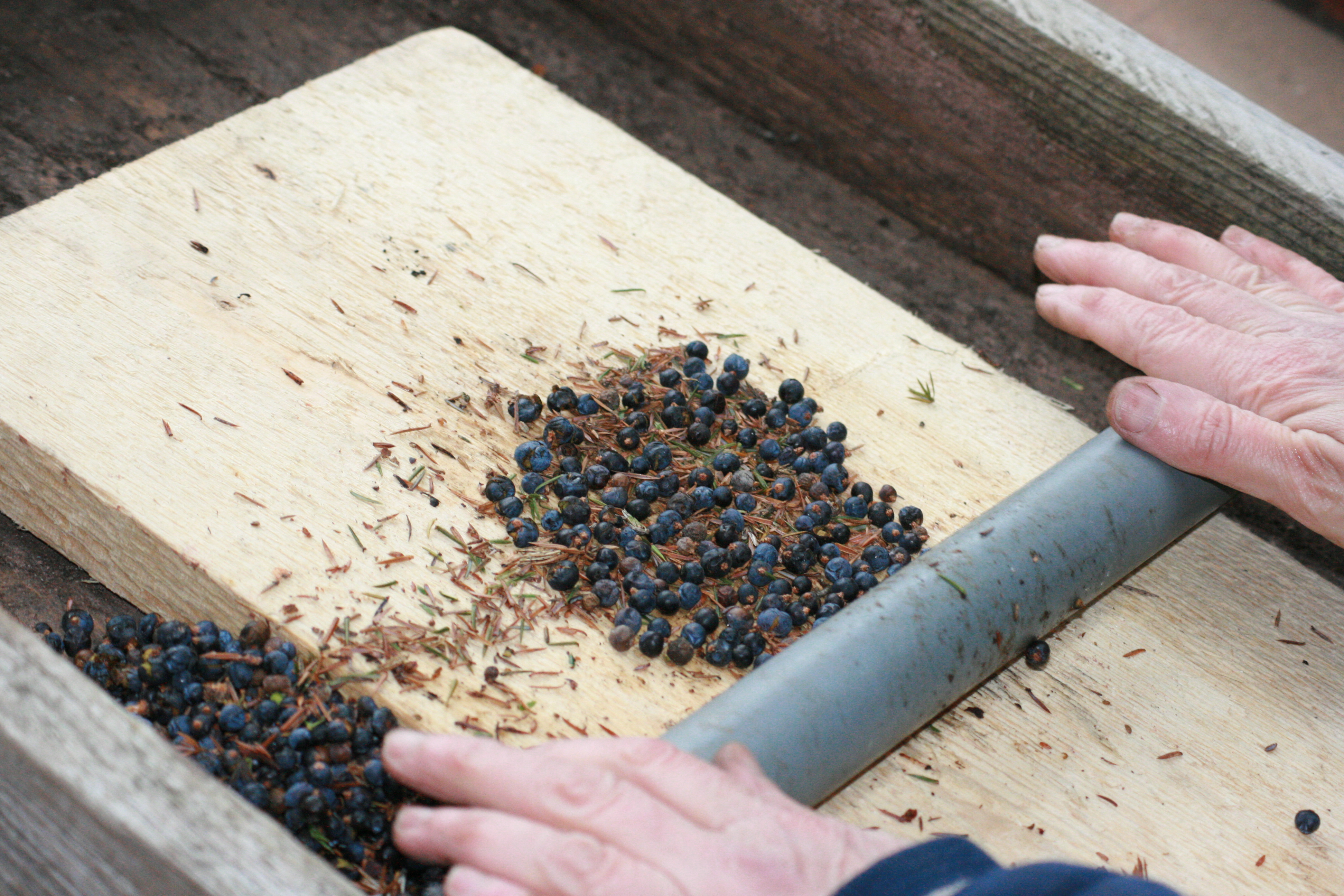 We learned from Indigenous Peoples to dry, then powder, the fruits, using the powder much as we do black pepper. Others teach burning the leaves, pouring boiling water over the ashes, straining the liquid, and using it as a flavoring.
The wood of juniper trees is strong and has been used, in spite of its often small size, for long-lasting craft items for household and kitchen use.
There was a time, prior to my HSA membership, when I dismissed Juniperus communis for landscape use, seeing it most often used commercially where it seemed to attract trash. I know better now that, in well-kept landscapes, it is lovely, its history is interesting, and its culinary uses delightful. I no longer have need for contraceptives or speedy deliveries, but a bit of gin once in a while might be good for aching knees after a day in the garden.
Medicinal Disclaimer: It is the policy of The Herb Society of America, Inc. not to advise or recommend herbs for medicinal or health use. The information in this presentation is intended for educational purposes only and should not be considered as a recommendation or an endorsement of any particular medical or health treatment. Please consult a health care provider before pursuing any herbal treatments.
Photo Credits: 1) Juniperus communis, Londonderry, New Hampshire (K. Schlosser); 2) Gin and tonic (cyclonebill, Openverse); 3) Juniperus communis cones (MFP, Wikimedia Commons); 4) Crushing juniper berries (far closer, Openverse).
References
Adams, Robert P. 2019. Juniperus of Canada and the United States: Taxonomy, Key and Distribution. Lundellia 21(1), 1-34. https://doi.org/10.25224/1097-993X-21.1
Cabello, Peláez F., et al. 2010. The discovery of enfumafungin, a novel antifungal compound produced by an endophytic Hormonema species biological activity and taxonomy of the producing organisms. Syst Appl Microbiol. 23 (3): 333–343. doi:10.1016/s0723-2020(00)80062-4
Flora of North America, Juniperus communis Linnaeus, Sp.Pl. 2: 1040. 1753 FNA, Family List, FNA Vol. 2, Cupressaceae, Juniperus. http://www.efloras.org/florataxon.aspx?flora_id=1&taxon_id=200005424
Garrett, J. T. 2003. The Cherokee Herbal: Native Plant Medicine from the Four Directions. P. 79. Bear & Company, Rochester, VT.
Harrington, H.D. 1967. Edible Plants of the Rocky Mountains. P. 242. University of New Mexico Press.
Kavasch, E. Barrie. 2005. American Indian Wild Foods and Recipes. Dover Publications. Reprint of Native Harvests: Recipes and Botanicals of the American Indian, Random House, 1975.
Murphey, Edith Van Allen. 1990. Indian Uses of Native Plants. Meyerbooks, IL. Reprint of 1958 publication by Mendocino County Historical Society. Pg. 50.
In her 32 years of HSA membership, Kathy has served in positions at the local, district, and national levels. While on the National Herb Garden Committee, she spearheaded the NHG fundraising project with the publication of The Herb Society of America’s Essential Guide to Growing and Cooking with Herbs (LSU Press, 2007). As the initiator of the Native Herb Conservation Committee, she oversaw the establishment of GreenBridges
, the Notable Native Herb
project, and the HSA Fuzzy Butts Bee Observation Day. She has been awarded the Gertrude B. Foster Award for excellence in herbal literature and the Helen De Conway Little Medal of Honor. She has been involved in plant conservation in North Carolina for 35 years and has written for local and national publications. She is currently working on a second book.
Title: 2023 HSA Notable Native™ Shrub or Tree: Juniperus communis
Sourced From: herbsocietyblog.wordpress.com/2023/04/10/2023-hsa-notable-native-shrub-or-tree-juniperus-communis/
Published Date: Mon, 10 Apr 2023 07:30:00 +0000
Frequently Asked Questions
How do you make medicinal herbs?
There are many different methods to make herbs into medicinal products. The most common method is to dry the herbs in a warm, dark location before grinding them into a powder or extracting their essential oils. This can be accomplished by hanging herbs upside down in bunches, laying herbs on a drying screen, or using a food dehydrator.
Once dried and ground, herbs can be stored in airtight containers for future use. Other herbs may require special preparation, such as infusing herbs into oil or vinegar, making tinctures with alcohol, or distilling herbs to create essential oils.
Learning the correct techniques for preparing herbs can help ensure that they retain their medicinal properties and potency for optimal health benefits. Using fresh herbs is usually best, but herbs can also be grown in a pot or garden and harvested when they are mature. Herbs can be purchased at health food stores, online retailers, and specialty shops.
No matter where herbs come from, the preparation techniques remain the same; drying herbs in a warm location followed by grinding or extracting the essential oils. You can make your medicinal herbs with the right herbs and preparation techniques.
When making herbal preparations, it is essential to remember that herbs can vary in potency, so always dilute herbs before use or follow the directions on any product label. Additionally, herbs are best used fresh, as many of their beneficial components degrade over time.
Following safety guidelines and paying attention to the potency of herbs can help ensure that you get the most benefit from your herbs. With a bit of practice and preparation, anyone can make therapeutic herbs with medicinal properties. Remember that herbs should never replace any medical advice or treatments prescribed by a doctor. Always consult a licensed healthcare professional before using herbs medicinally.
Is it safe to eat raw garlic?
Raw garlic contains potent compounds that could cause stomach upset. Garlic should always be cooked before eating.
Garlic is one of the oldest known medicinal plants. It has been used since ancient times to treat various ailments.
Today, garlic is still commonly used for treating colds, coughs, and other respiratory infections. In addition, garlic can increase blood circulation, boost immunity, protect against cancer, lower cholesterol levels, prevent heart disease, and reduce stress.
Do not ingest large amounts of raw garlic to avoid possible health problems. It does not harm you if you consume small amounts regularly, however. This is especially true with young children who might accidentally swallow some.
What are the side effects of basil?
Basil is an herb that originated in tropical regions of India, Africa, China, Indonesia, Malaysia, Thailand, Philippines, Mexico, Puerto Rico, Jamaica, Costa Rica, Panama, Colombia, Venezuela, Brazil, Peru, Ecuador, Bolivia, Paraguay, Uruguay, Argentina, and Chile.
The plant is easy to grow in most climates and requires little maintenance. Basil also thrives in poor soil conditions and is very drought tolerant.
As for the health benefits, more than 200 known compounds are found in basil, including flavonoids, phenolic acids, lignans, polysaccharides, essential oils, vitamins, and minerals.
According to the University of Maryland Medical Center, basil contains powerful anti-inflammatory properties which may help relieve symptoms associated with arthritis, asthma, allergies, bronchitis, cancer, cardiovascular disease, diabetes, digestive disorders, depression, eczema, insomnia, infections, migraines, osteoporosis, psoriasis, respiratory problems, stress, and ulcers.
Basil is also a culinary spice and is often added to tomato sauces, soups, salads, pasta dishes, rice dishes, dips, casseroles, pizza toppings, pesto, chicken wings, and popcorn.
However, like all herbs, basil should be consumed in moderation. Too much of anything is not good for you. For example, eating large amounts of basil could lead to stomach upset. And if you have sensitive tummies, avoid consuming basil during pregnancy.
If you are pregnant or nursing, consult your doctor before taking herbal supplements.
You should only take one type of supplement at a time. If you take other medications, make sure they do not interact with each other.
You should never use herbs while on medication unless directed by your doctor.
Some people experience allergic reactions when using herbs, especially those allergic to ragweed. Symptoms include hives, swelling around the mouth or eyes, shortness of breath, chest tightness, nausea, vomiting, diarrhea, headaches, dizziness, fainting, heart palpitations, blurred vision, loss of consciousness, seizures, or even death.
Some people who take certain medications may develop an allergy to basil. These drugs include:
- Antacids (like Alka Seltzer)
- Anti-anxiety medicines (Valium, Xanax, Ativan, etc.)
- Beta-blockers (like Propranolol)
- Blood thinners (like Coumadin)
- Calcium channel blockers (like Amlodipine)
- Cholesterol-lowering drugs (like Lipitor, Zocor, Mevacor, and Pravachol)
- Diabetes medicine (like Glucophage)
- Diuretics (like Lasix)
- Heartburn medicines (like Prilosec OTC)
- Hormone therapy (like Premarin, Tamoxifen, Femara)
- Insulin (like Humalog, Lantus, Novolin R)
- NSAIDs (like Aleve, Motrin, Advil, Excedrin, Tylenol, Ibuprofen)
- Oral contraceptives (like Ortho Evra, Yasmin, Loestrin, Ovrette, Yaz, and Seasonale)
- Pain relievers (like Aspirin, Celebrex, Vicodin, Percodan, Darvocet, Dilaudid, Fiorinal, Tylenol 3s, Naproxen, Motrin, Tramadol, Ultram, Voltaren
Which plant can heal wounds?
Plants are amazing creatures. They grow, they live, and they die. They make food, clean our air and water, and help keep us healthy. But plants also do more than that...they heal wounds.
Plants release molecules called phytochemicals when they are injured. These chemicals act as antioxidants, which protect cell membranes from damage and promote healing.
Phytochemicals found in plants include flavones (found in citrus fruits), terpenoids (present in mint leaves), and polyphenols (common in berries).
In addition to these protective compounds, plants contain proteins, vitamins, minerals, amino acids, fatty acids, and carbohydrates that support the body's natural processes of healing.
The best way to use plants to heal wounds is to consume them directly. However, there are ways to apply the power of plants to treat wounds without eating them.
First, soak a cotton ball in an extract from the St John's Wort herb. This product contains salicylic acid, which helps reduce inflammation.
Next, place the soaked cotton ball on the wound. Avoid applying the herb directly to open cuts, burns, or puncture wounds. If you feel any burning sensation, remove the herb immediately.
You may also find that placing a few drops of essential oil on the affected area promotes faster healing. Lavender essential oil reduces swelling and speed recovery; rosemary stimulates blood flow and increases circulation; peppermint relieves headaches and muscle aches.
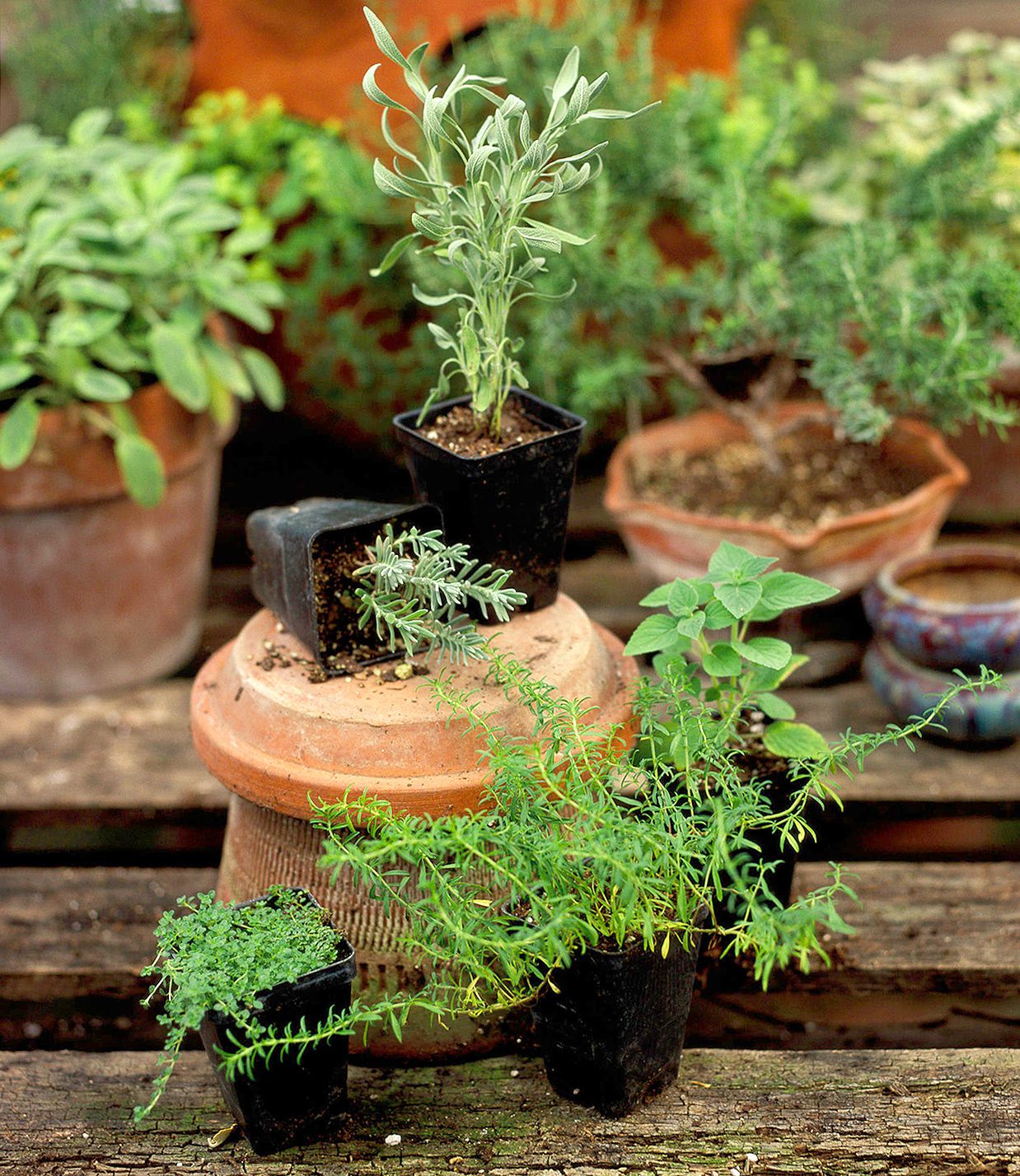
If you want to try your hand at growing some of your medicinal herbs, here are some tips:
- Start with small pots, so you don't end up with too much of one particular type of plant.
- Grow several different types of herbs together. The same goes for flowers and vegetables. Mixing it up will ensure you get all the benefits of each plant.
- Use organic fertilizer if you're growing your herbs indoors. Non-organic fertilizers may be harmful to your health.
- Harvest regularly. You'll enjoy the freshness of homegrown herbs, but leave enough time between harvests to allow the soil to replenish itself.
- Be careful not to overwater your plants. Overly wet soil encourages mold growth, which isn't suitable for your herbs.
- Wash your hands after handling your herbs. You don't want to risk spreading bacteria onto your plants!
Statistics
- The global herbs market is expected to reach more than $125 billion by the end of 2025.
- The herbs market is highly competitive, with over 1,000 herb suppliers and over 15,000 herbs products available in the United States alone.
External Links
en.wikipedia.org
doi.org
onlinelibrary.wiley.com
pubmed.ncbi.nlm.nih.gov
How To
How to use herbs safely?
Many people think that herbs should only be used under medical supervision because they believe that some herbs are poisonous. However, this is not true.
Many herbs have long histories of safe use. For example, garlic has been used for thousands of years to fight infections. It's also been shown to lower cholesterol levels and reduce high blood pressure.
However, if you're pregnant or nursing, avoid taking certain herbs. You should also avoid them if you suffer from allergies or sensitivities to herbs.
You can do several things to ensure you get the best results from your herbs and supplements. First, always read labels before consuming anything containing herbs or spices. Second, take the lowest dose recommended on the label. Third, don't use more than one supplement at any given time. Fourth, talk to your doctor about how to combine specific herbs and supplements. Finally, keep track of your consumption to know whether you need to adjust your dosage.
Resources:
 |
Mountain Herb Picking Adventure: A Village Family''s JourneyJoin us on an adventure as a village family journeys to a snowy mountain to pick mountain herbs. Along the way, they encounter beautiful flowers, thorns, a |
 |
HERBALIST shows 7 potent herbs to reduce blood pressure and remove mucus.pleasant greetings to everyone. in this video the street herbalist will be introducing his temple and school. This place is currently under construction and |
 |
What Medicinal Seeds am I Growing?#herbalism #homesteading #garden What am I growing to fill my apothecary? Come hang out with me in the High Tunnel and lets talk about it!!! To order from |
|
Herbs for Enhancing the Taste of Stews and CasserolesIf you're looking to add more flavor and depth to your stews and casseroles, herbs are a great way to go. They're also versatile, allowing you to use |
 |
Use this herbs to cook yourself and say bye to Sickness/ diseaseUse this herbs to cook yourself and say bye to Sickness/ disease |
 |
Picking medicinal plants in the mountains by a village woman and her childrenGenuinely embracing global flavours, BelovedSaffron.com invites food lovers and passionate chefs to explore a world of spices and herbs, organic food, |
 |
Smarter Seasoning–Make the Most of Your Spice Rack | Test Kitchen Boot CampGenuinely embracing global flavours, BelovedSaffron.com invites food lovers and passionate chefs to explore a world of spices and herbs, organic food, |
 |
Great Gardening Questions Answered - Being Patient, Leach Field, Underplanting, Acanthus, BiltmoreAt Belovedsaffron.com, we believe that the key to good food and healthy eating is the proper use of spices, herbs, and other fresh ingredients. We.. |
 |
Walking with Mountain SheepHappy Easter ! Something different for the week that is in it. I hope you find this film of us, walking in the Connemara mountains and bringing in the sheep, |
 |
The Power of DandelionsAt Belovedsaffron.com, we combine our passion for spices, herbs and organic eating with a mission to deliver knowledge and flavors from around the.. |
 |
Join 10,000 Students Who Have Learned Herbs with Michael and Lesley Tierra - East West School of Planetary HerbologyLearn herbs from respected professional herbalists offering world-class herbalist training. The NEW Professional Herbalist Course includes courses on over 600 |
|
Creamy Lemon & Herb Chicken on the Braai | Chicken recipes | Braai | Grilled chicken recipes | BBQWelcome to Belovedsaffron.com, where we embrace everything related to spices, herbs, nutritious food, and organic eating! We are not professional.. |
 |
WOODLAND BUSHCRAFT COOKING | FORAGING | WILD GARLIC | LUNCH IN THE WOODS | FIREPIT MODIFICATIONWelcome to Belovedsaffron.com, where we are passionate about spices, herbs, recipes and organic eating! Here you will find a wide range of spices,.. |
 |
Herbs For Improving Cardiovascular HealthHerbs can be a natural way to improve your cardiovascular health and prevent heart disease. They can also help you manage existing conditions such as |
|
Herbal tea: miraculous recipe to prepare a healing herbal tea, Good for all diseasesAt Belovedsaffron.com, we combine our passion for spices, herbs and organic eating with a mission to deliver knowledge and flavors from around the.. |
 |
Join us for Sunday Morning Service at The Potter's House of Dallas!At Belovedsaffron.com, we are passionate about spices, herbs, recipes and organic eating. It is our mission to bring awareness of flavors from around |
 |
Herbalist shares his secrets about herbal medicines.At Belovedsaffron.com, we're passionate about flavours, cultures and cooking wisdom from around the world. We seek to bring you closer to sustainable |
|
Eazi Herbs Water Build How Your Body Uses Water.Eazi Herbs Water Build How Your Body Uses Water. |
|
STOP Drinking Tea Until You Watch This VideoAt Belovedsaffron.com, we are passionate about spices, herbs, recipes and organic eating. We are on a mission to bring you awareness about flavours.. |
|
How to Grow Dandelions in Your Garden for Food: 10 Reasons - Edible Roots, Flowers, & GreensAt Belovedsaffron.com, we are passionate about spices, herbs, recipes and organic eating. We are on a mission to bring you awareness about flavours.. |
 |
Herbs for Common Conditions: Stress, Hormones, Digestion | Podcast | Special Series: Medicinal HerbsAt Belovedsaffron.com, we combine our passion for spices, herbs and organic eating with a mission to deliver knowledge and flavors from around the.. |
 |
Home of HerbsFind out more about herbs and how to use them |
 |
How this couple fit a native garden, vegie garden and fruit trees into 150sqm | Gardening AustraliaWe understand that food has the power to connect us all, transcending cultures and distances. At Belovedsaffron.com, we are passionate about spices,.. |
|
Greentea Peng - Hu Man (Official Video)Genuinely embracing global flavours, BelovedSaffron.com invites food lovers and passionate chefs to explore a world of spices and herbs, organic food, |
|
Decocting Chinese HerbsWe understand that food has the power to connect us all, transcending cultures and distances. At Belovedsaffron.com, we are passionate about spices,.. |
|
10 HOUSEPLANTS THAT ARE EASY TO GROW IN WATER! | Plants That Love To Grow In Water TIPS & TRICKSAt Belovedsaffron.com, we are passionate about spices, herbs, good food and organic eating. Our mission is to bring awareness about the different.. |
|
We Made a Grill with Our Own Hands for a Family Dinner! One Day of Life in the MountainsDon’t forget to subscribe to our village cooking channel! https://www.youtube.com/channel/UCb34abKWHtXFAXT9zSu4Lmg Instagram: |
|
Georgian Flatbread with Filling! Traditional Khachapuri with EggDon’t forget to subscribe to our village cooking channel! https://www.youtube.com/channel/UCb34abKWHtXFAXT9zSu4Lmg Instagram: |
|
Zahra''s search in the mountains for medicinal herbs and mountain vegetablesWelcome to my YouTube channel! Join me, Zahra, as I explore the dangerous mountains of Zagros in Iran in search of medicinal herbs and mountain vegetables. |
 |
Why Wild Ginseng Is So Expensive | So Expensive | Business InsiderAt Belovedsaffron.com, we are passionate about spices, herbs, recipes and organic eating. We are on a mission to bring you awareness about flavours.. |
|
These Seeds Clean Your Arteries, Lower Blood Pressure & Prevent A Heart AttackAt Belovedsaffron.com, we believe that the key to good food and healthy eating is the proper use of spices, herbs, and other fresh ingredients. We.. |
|
The Wonders of NettleYou can find out more about Nettle from my book, The Weed Handbook Volume 1, which is available from my website along with Volume 2 |
 |
The Cup of LifeLike life, tea is what you make of it and The Cup of Life helps individuals enjoy tea in more than one way. Join me on my tea adventures through my blog! |
|
4 Benefits of Senega: Dosage & SafetySenega is a medicinal herb that has been used for thousands of years throughout Asia. This article will look at ... Read more |
|
6 Herbs High in AntioxidantsHerbs and spices are an excellent source of antioxidants. It’s important to consume antioxidants as they help to reduce the ... Read more |
 |
Apr 4, Stinging Nettle with Elise HigleyMeet Elise Higley from Oshala Farm and find out why I have so much respect for herb farmers! You'll also get Elise's recipe for Nettle Spring Tonic Vinegar |
|
6 Herbs High in CalciumCalcium is an essential element that plays a role in bone health, muscle movement, and nerve function. It’s crucial to ... Read more |
|
5 Benefits of Citrus Bergamot Tea: Dosage & Side EffectsCitrus bergamot tea, also known as Earl Grey tea, is popular tea that’s loved for its distinctive flavor. Yet, it ... Read more |
 |
Mar 28, Calendula with Alex CrofootLet's hear Alex Crofoot talk about both new and familiar ways of working with this favorite (and very versatile!) plant: Calendula officinalis |
|
Nutrient Rich Herbs: The Complete Guide Herbs are not only delicious flavor enhancers, but they can also offer a host ... Read more |
|
Mar 21, Three Common Mistakes with HerbsJoin me in this new episode as I share my three most important mistakes with herbs. I’m also sharing tips and resources to help you avoid those same potholes. |
 |
Feb 14, How to Use Ground Ivy with Val AlcornIt’s always exciting to hear about a little-known herb with powerful medicinal action. Join this conversation about ground ivy with Val Alcorn! |
|
Feb 21, Benefits of Calamus Root with jim mcdonaldJoin me and my friend and herbalist jim mcdonald as we discuss the benefits of calamus root, including clearing away mental cobwebs and enhancing your focus. |
 |
Tony Gebely · Tea Epicure · Taste DifferentlyA tea assessment platform that rates teas based on objective quality markers and a sensory evaluation resulting in a list of the best teas produced each year. |